FAQ
When it comes to powering your four-wheeled eye in the sky, not all batteries are created equal, folks. For the crème de la crème of dashcam juice, you'll want to set your sights on high-capacity lithium-ion batteries. These bad boys offer the perfect blend of longevity, reliability, and compact size – essential for keeping your dashcam rolling without turning your car into a mobile power plant.
Your average run-of-the-mill dashcam battery? You're looking at about 30 minutes to an hour of recording time. Yeah, I know, it's shorter than a Netflix episode. But here's the thing: most dashcams aren't designed to run on battery power alone. They're like vampires, constantly needing to suck power from your car's electrical system to keep going.
Looking for a trustworthy power source for your rolling recorder? Well, buckle up, buttercup, because I'm about to take you on a whirlwind tour of the dashcam battery marketplace.
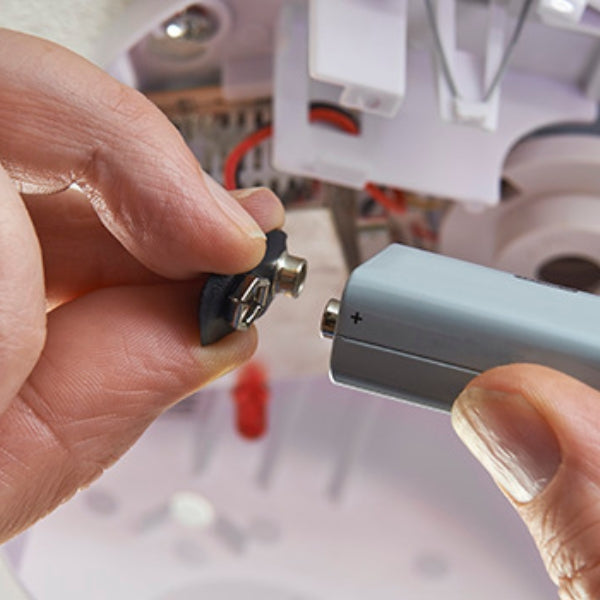
First things first, not all dashcams are created equal when it comes to battery replacement. Some models are about as user-friendly as a Rubik's Cube wrapped in barbed wire. Others, however, practically beg you to tinker with their innards.
First off, let's talk longevity. A dedicated dashcam battery is like the Energizer Bunny of the automotive world. It keeps going and going, allowing your dashcam to capture footage even when your car's engine is taking a siesta. Midnight parking lot shenanigans? Caught on camera. Mysterious dents appearing while you're grocery shopping? Mystery solved.
First things first, let's talk about temperature. Your dashcam battery is like Goldilocks – it likes things just right. Extreme heat or cold can send it into early retirement faster than you can say "You're fired!" So, when you're not driving, consider removing your dashcam and bringing it inside. It's like a mini vacation for your device.