Thermostat
This collection is empty
FAQ
Ah, the age-old question of battery life – it's like asking how long a piece of string is, but for your home's temperature control. Typically, thermostat batteries can last anywhere from 8 to 12 months, but that's if they're not busy powering a small city on the side. Some high-end models might stretch to 18 months or even two years if they're feeling particularly generous. But let's be real, your mileage may vary depending on usage, brand, and whether Mercury is in retrograde.
Looking for a Nest thermostat battery? Well, you're in luck, because they're about as easy to find as a needle in a stack of needles. Your best bets are major retailers like Home Depot, Lowe's, or Best Buy – you know, the places where DIY dreams go to thrive or die. Of course, there's always the internet's favorite everything store, Amazon, where you can get batteries delivered faster than you can say "climate control." Just remember, authentic Nest batteries are what you're after – no knock-offs allowed in this temperature tango.
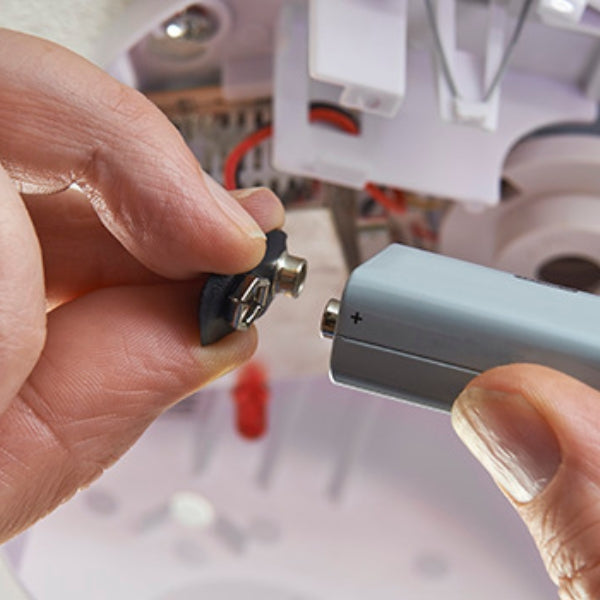
Changing a thermostat battery is like performing minor surgery on your home's brain – it's not rocket science, but you don't want to mess it up. First, locate your thermostat (if you can't find it, you might have bigger problems). Gently remove the faceplate – it should pop off easier than your motivation on a Monday morning. Inside, you'll find the battery compartment. Swap out the old batteries for new ones, making sure they're positioned correctly – because even batteries have a right way up. Pop the faceplate back on, and voila! You've just extended your thermostat's life expectancy.
The Nest thermostat battery life is like a cat with nine lives – it just keeps going. These smart little devices are designed to sip power like it's a fine wine, not chug it like a frat boy at a keg party. Generally, you can expect the internal battery to last several years. But here's the kicker – Nest thermostats are usually wired to your HVAC system, using that for power and only relying on the battery as a backup. So unless there's a power outage or some electrical shenanigans, that battery might outlast your interest in discussing thermostats at dinner parties.
Changing your thermostat battery should be on your to-do list somewhere between "remember to breathe" and "solve world peace." For most thermostats, an annual battery change is a good rule of thumb – think of it as a birthday present for your home's temperature control. But if you've got a smart thermostat like Nest, you might be off the hook for years. The key is to pay attention to any low battery warnings – your thermostat will usually let you know when it's feeling a bit drained, kind of like how your stomach growls when it's time for lunch.
Figuring out when your thermostat battery is low is like decoding your pet's needs – there are signs if you know what to look for. Most thermostats will flash a low battery symbol, usually looking like a sad, empty battery icon. Some might display "low battery" in plain text, for those of us who prefer our appliances to be direct. You might also notice the display dimming or acting erratically, like it's had one too many espressos. And if your home suddenly feels like the Arctic (or the Sahara), that's a pretty good clue too. The bottom line? If your thermostat starts behaving like it's going through puberty, it's probably time for a battery change.