Sprinkler
This collection is empty
FAQ
Ah, the age-old question that's been keeping homeowners up at night: which battery should I trust to keep my lawn lush and my water bill in check? Well, buckle up, sprinkler enthusiasts, because we're about to dive into the thrilling world of irrigation power sources. For most sprinkler systems, the undisputed champion is the 9-volt alkaline battery. It's like the Swiss Army knife of the battery world – reliable, long-lasting, and always ready for action. These bad boys can keep your sprinkler controller ticking for up to a year, depending on usage and weather conditions. But wait, there's more! Some high-end sprinkler controllers are now embracing the lithium revolution. These powerhouses can last even longer and perform better in extreme temperatures. It's like giving your sprinkler system a shot of espresso – it'll keep going and going. When choosing your battery, consider factors like local climate, controller type, and how often you use your system. And remember, always opt for name-brand batteries from reputable manufacturers. Your lawn deserves the best, after all.
Ah, the million-dollar question – or should we say, the "how many times will I have to climb into the garage this year" question. The lifespan of a sprinkler battery is about as predictable as British weather, but let's break it down. On average, a good quality 9-volt alkaline battery in a typical sprinkler controller can last anywhere from 6 months to a year. But don't start planning your battery-changing parties just yet – there's more to the story. Factors like frequency of use, weather conditions, and the type of controller can all affect battery life. If your sprinkler system is working overtime during a drought, that battery might need replacing sooner. On the flip side, if your area's been blessed with consistent rainfall, your battery might outlast your New Year's resolutions. Some modern controllers with energy-efficient designs can stretch battery life even further, potentially up to two years. And let's not forget about our lithium friends – these overachievers can sometimes last up to five years in ideal conditions. The key takeaway? Keep an eye on your controller's low battery indicator and have a spare on hand. Because nothing ruins a perfect lawn quite like a sprinkler system that's decided to take an unscheduled vacation.
Ah, the quest for the Holy Grail of sprinkler batteries – a journey that's taken many a gardener on wild goose chases through the aisles of hardware stores. But fear not, intrepid lawn enthusiasts, for I bring you tidings of great joy (and hydration for your plants). Your local hardware store is often the first port of call for sprinkler batteries. Places like Home Depot, Lowe's, or Ace Hardware usually stock a variety of options. It's like a buffet of batteries – take your pick! But wait, there's more! In this age of digital convenience, online marketplaces like Amazon, eBay, or even specialty gardening websites can deliver batteries right to your doorstep. It's like having a battery fairy, minus the wings and plus the shipping fees. For those who like to keep it local, don't overlook your neighborhood garden centers or irrigation supply stores. These places often have knowledgeable staff who can guide you to the perfect power source for your particular sprinkler system. And here's a pro tip: wherever you choose to buy, always go for reputable brands. Your sprinkler system isn't the place to pinch pennies – a reliable battery from a trusted manufacturer will save you headaches (and potentially soggy shoes) in the long run. Remember, the best place to buy a battery is wherever you can find a high-quality, fresh product at a reasonable price. Happy hunting, and may your lawn always be green!
Are there rechargeable batteries for sprinkler controllers? Hold onto your hoses, folks, because we're about to dive into the electrifying world of rechargeable sprinkler batteries! It's like the eco-friendly revolution has finally made its way to your lawn. Yes, Virginia, there are indeed rechargeable batteries for sprinkler controllers. It's like Christmas came early for environmentally conscious gardeners everywhere. These green machines come in various forms, each with its own set of pros and cons. First up, we have rechargeable 9-volt batteries. These little powerhouses can be popped into most standard controllers, giving you the satisfaction of reducing waste while keeping your sprinklers springing. However, they may need charging more frequently than their disposable cousins. Then there are the built-in rechargeable batteries. Some modern controllers come with these bad boys integrated right into the system. They're like the Tesla of the sprinkler world – sleek, efficient, and always ready to go. But wait, there's more! Solar-powered controllers are also making a splash in the market. These sun-worshipping wonders use the power of our nearest star to keep your sprinklers running. It's like your lawn care routine has gone full circle with nature. Remember, while rechargeable options can be great for the environment and potentially your wallet in the long run, they may require more initial investment and maintenance. But hey, isn't a greener planet worth a little extra effort? Your grandkids (and your lawn) will thank you.
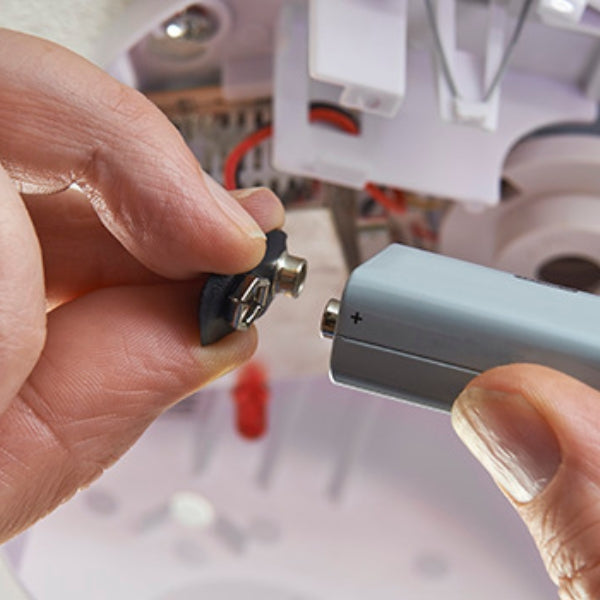
Alright, green thumbs and DIY enthusiasts, it's time to roll up those sleeves and dive into the thrilling world of sprinkler battery replacement. Don't worry, it's not rocket science – though it might make you feel like a gardening superhero. First things first, locate your sprinkler controller. It's usually hiding in plain sight in your garage or on an exterior wall, looking suspiciously like a small grey box with delusions of grandeur. Once you've found it, channel your inner safe-cracker and open that bad boy up. Most controllers have a simple latch or screws keeping them closed. No need for dynamite or elaborate heist plans here. Now, feast your eyes on the battery compartment. It's typically right there, front and center, like it's auditioning for a starring role in "The Bold and the Beautiful: Sprinkler Edition." Carefully remove the old battery. Show it some respect – it's served you well, keeping your lawn lush and your water bill in check. Maybe even give it a little salute as you set it aside. Next, it's time for the new battery to make its grand entrance. Make sure you're using the right type – usually a 9-volt alkaline battery, unless your controller has other ideas. Pop that fresh battery in, making sure the positive and negative terminals are aligned correctly. (Pro tip: If you have to force it, you're doing it wrong!) Close up the controller, step back, and admire your handiwork. Congratulations! You've just performed sprinkler surgery. Your lawn will sing your praises (in its own quiet, grassy way) for weeks to come. Remember, always dispose of old batteries properly. Your local recycling center will be more than happy to take them off your hands. After all, even retired sprinkler batteries deserve a dignified end.
Buckle up, lawn care aficionados, because we're about to embark on a thrilling journey through the factors that can make or break your sprinkler timer's battery life. It's like a soap opera, but with more chlorophyll and less drama. First up, we have the weather – Mother Nature's mood swings can really put your battery through its paces. Extreme temperatures, whether it's Sahara-level heat or Arctic-style cold, can drain your battery faster than a teenager drains their phone battery scrolling through TikTok. Next on our list is frequency of use. The more your sprinkler system runs, the harder that little battery has to work. It's like asking a hamster to run a marathon – eventually, it's going to need a break (or in this case, a replacement). The quality of your battery also plays a starring role in this drama. Cheap, no-name batteries might save you a few bucks upfront, but they're the sprinkler world equivalent of fast fashion – not built to last. Let's not forget about the controller itself. Some modern, energy-efficient models sip power like a refined tea connoisseur, while older models guzzle it like it's going out of style. Humidity and moisture can also be battery killers. If your controller isn't properly sealed, it's like inviting rust to a battery party – and trust me, rust never brings good gifts. Finally, there's the human factor. Forgetting to close the controller box properly or accidentally bumping settings can lead to unnecessary power drain. It's like leaving your car headlights on overnight – oops! Remember, understanding these factors is half the battle. The other half is choosing quality components and performing regular maintenance. Your lawn (and your water bill) will thank you for your diligence!