
FAQ
Buckle up, space cadets! Our cosmic neighborhood is a wild ride of celestial bodies, from the scorching Sun to the icy depths of the Kuiper Belt. The solar system's main attractions include eight planets (sorry, Pluto), their moons, asteroids, comets, and the occasional interstellar visitor. But wait, there's more! Don't forget the cosmic dust, solar wind, and magnetic fields that tie this celestial circus together. It's a cosmic smorgasbord that would make even the most jaded astronomer weak in the knees.
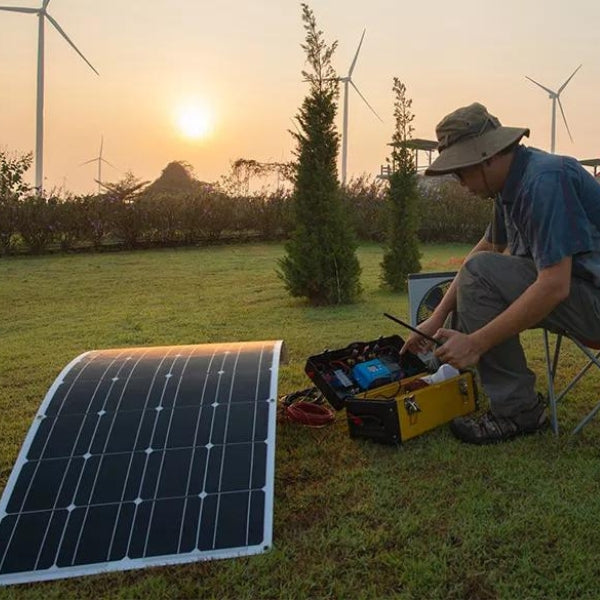
Listen up, eco-warriors and energy enthusiasts! A solar power system is like a well-oiled machine, but instead of oil, it runs on sunshine. The star of the show? Solar panels, of course, soaking up those sweet, sweet photons. But they're not alone in this clean energy dance. Inverters transform DC to AC faster than you can say "renewable revolution." Batteries store power for rainy days (literally), while charge controllers keep everything in check. Don't forget the mounting equipment, wiring, and meters – the unsung heroes of your roof's new power plant.
Alright, space cowboys, saddle up for a tour of our cosmic corral! The solar system's lineup reads like a who's who of celestial VIPs. The Sun, our very own fusion reactor, takes center stage. Orbiting this ball of fire are the inner rocky planets, gas giants, and ice giants – each with their own entourage of moons. Asteroids and comets zip around like cosmic confetti, while dwarf planets lurk in the system's outer reaches. Throw in some interplanetary dust, magnetic fields, and the occasional black sheep (looking at you, interstellar objects), and you've got yourself a party that's been raging for billions of years.
Heads up, cosmic explorers! Our solar system is like the ultimate space playlist, with tracks ranging from the Sun's blazing beats to the chilly rhythms of the outer planets. The setlist includes eight diverse planets, from Mercury's sun-baked surface to Neptune's windswept blue. Moons add harmony, while asteroids and comets drop in for surprise solos. The Kuiper Belt and Oort Cloud provide the cosmic background noise. And let's not forget the invisible players: magnetic fields, solar wind, and dark matter, keeping the whole performance mysteriously balanced. It's a cosmic concert 4.6 billion years in the making!
But wait, there's more! Battery storage systems are becoming increasingly popular, allowing you to squirrel away excess energy for a rainy day (or a cloudy one). And let's not forget the mounting equipment, wiring, and monitoring systems that keep everything running smoothly. It's a whole ecosystem of components working together to bring a slice of solar magic to your home.
Alright, space junkies, let's break it down to the fab five of our cosmic crib! First up, the Sun – the OG of our neighborhood, keeping everything in check with its gravitational swagger. Next, the inner planets: Mercury, Venus, Earth, and Mars – the rocky rebels close to home. Third, say hello to the gas giants: Jupiter and Saturn, the heavyweights of our planetary lineup. Fourth, meet the ice giants: Uranus and Neptune, chillin' in the outer hood. Finally, the small bodies crew – asteroids, comets, and dwarf planets – proving that size isn't everything in this cosmic dance-off. There you have it, the solar system's greatest hits album!