


FAQ
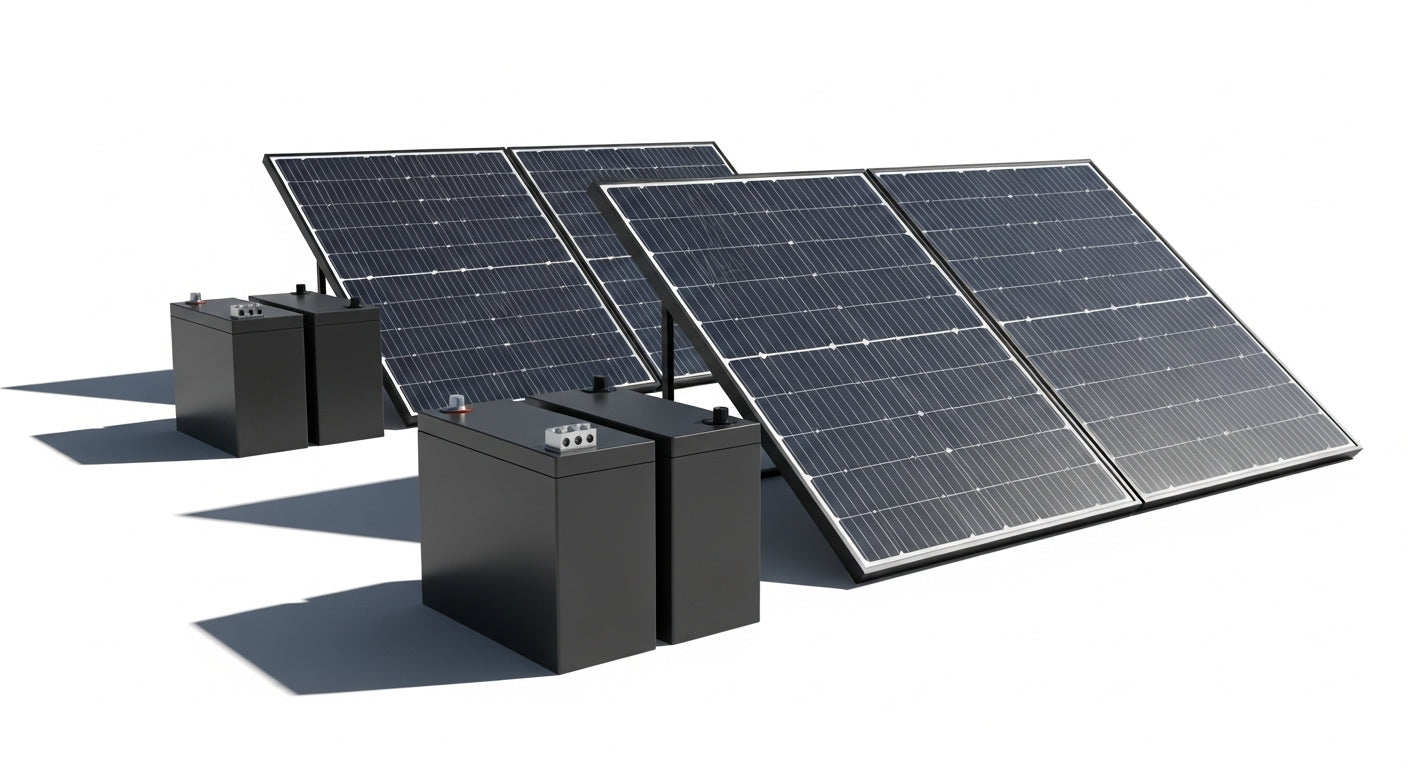
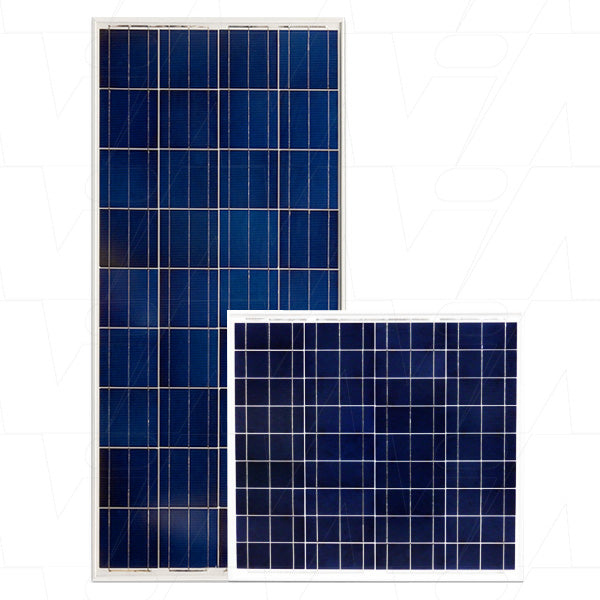
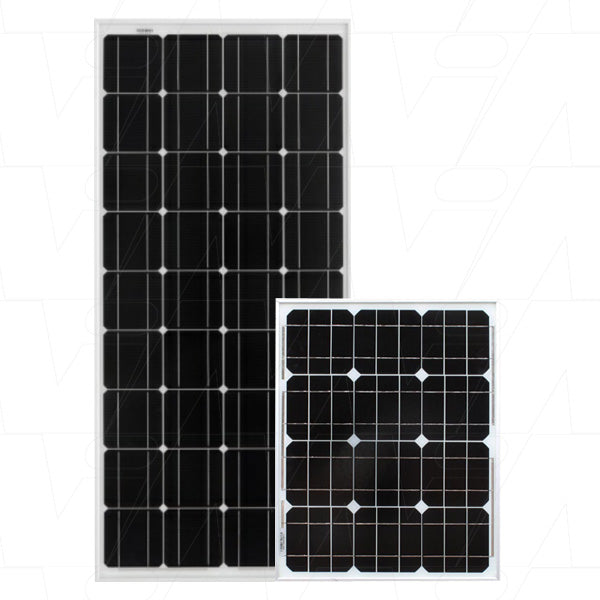
When it comes to juicing up your batteries with that sweet, sweet solar goodness, not all panels are created equal. The crème de la crème of solar panels for battery charging are monocrystalline panels. These bad boys are like the Usain Bolt of the solar world – efficient, reliable, and ready to perform even when the sun's playing hard to get. Monocrystalline panels boast higher efficiency rates, typically ranging from 15% to 22%, which means they're squeezing more power out of every sunbeam. They're also space-efficient, so you don't need to cover your entire roof to keep your batteries happy. Brands like SunPower, LG, and Panasonic are leading the pack with their high-performance monocrystalline offerings. But hold your horses – polycrystalline panels aren't out of the race. While they're slightly less efficient, they're easier on the wallet and still pack a punch for battery charging. Companies like Canadian Solar and Trina Solar offer solid polycrystalline options that'll get the job done without breaking the bank. For the nomads and off-grid enthusiasts, portable and flexible solar panels from brands like Renogy and Goal Zero are worth their weight in gold. These lightweight champions can keep your batteries charged whether you're camping in the wilderness or living your best van life. Remember, the "best" solar panel depends on your specific needs, budget, and available space. It's like choosing the perfect dance partner – you need one that matches your style and can keep up with your energy levels. So, consider your battery capacity, charging requirements, and installation constraints before making your solar panel soulmate decision.
Alright, buckle up for a crash course in solar-powered alchemy – turning sunlight into juice for your lithium-ion batteries. It's not magic, but it's pretty darn close. First off, solar panels are like nature's baristas, serving up a fresh brew of electrons when the sun hits them just right. These electrons, excited by the solar energy, start doing the electric slide through the panel's photovoltaic cells. But here's the kicker – solar panels produce DC (Direct Current) electricity, which is perfect because that's exactly what lithium-ion batteries crave. Now, we can't just hook up the panels directly to the batteries – that would be like trying to fill a water balloon with a fire hose. Enter the charge controller, the unsung hero of the solar charging world. This nifty device acts as a traffic cop, regulating the flow of electricity to prevent overcharging and battery damage. It's like a bouncer for your battery party, keeping things under control. For lithium-ion batteries, we're talking about MPPT (Maximum Power Point Tracking) charge controllers. These smart cookies constantly adjust the voltage and current to squeeze every last drop of power from your solar panels, ensuring your batteries get the most efficient charge possible. It's like having a personal trainer for your energy system, always pushing for peak performance. The charge controller feeds the optimized current to the battery, and voila! Your lithium-ion cells start soaking up that solar goodness like a sponge. The battery's internal chemistry does its thing, storing the energy for later use. But wait, there's more! Most modern setups include a battery management system (BMS) that monitors each cell's voltage, temperature, and overall health. It's like having a team of doctors constantly checking your battery's vitals, ensuring a long and healthy life. So, there you have it – from sun to storage in a few electrifying steps. It's a beautiful dance of photons, electrons, and lithium ions, all working together to keep your gadgets powered and your conscience green. Now that's what I call a bright idea!
Listen up, energy aficionados! When it comes to pairing solar panels with deep-cycle batteries, it's like finding the perfect dance partner – you want compatibility, rhythm, and the ability to keep going all night long. First things first, almost any solar panel can be made compatible with deep-cycle batteries with the right equipment. It's not about the panel per se, but rather the voltage and current it produces. That said, some panels are like that friend who's always ready for an adventure – they just work better for the job. Monocrystalline and polycrystalline panels are the go-to choices for deep-cycle battery systems. These panels are the workhorses of the solar world, providing consistent power output that deep-cycle batteries love. Look for panels with voltage ratings slightly higher than your battery bank's nominal voltage. For a 12V battery system, panels rated at 18V to 22V are your sweet spot. Flexible and portable solar panels are also great dance partners for deep-cycle batteries, especially in mobile or marine applications. Brands like Renogy and Goal Zero offer panels specifically designed for charging deep-cycle batteries in RVs, boats, and off-grid setups. Now, here's the secret sauce – the charge controller. This is like the DJ of your solar dance party, mixing the right voltage and current to keep your deep-cycle batteries grooving. For optimal performance, opt for an MPPT (Maximum Power Point Tracking) charge controller. It's like having a master choreographer, ensuring your panels and batteries are always in perfect sync. Remember, deep-cycle batteries are marathon runners, not sprinters. They like a slow, steady charge, which solar panels are perfect for providing. Just make sure your system is sized correctly – you want enough panel capacity to fully recharge your batteries during daylight hours. Lastly, consider the environment where your system will be installed. If you're in a hot climate, look for panels with lower temperature coefficients. They'll keep performing even when the mercury rises, ensuring your deep-cycle batteries stay charged and happy. So, whether you're powering an off-grid cabin or keeping your boat's systems running, solar panels and deep-cycle batteries can be a match made in energy heaven. Just remember – it's all about finding the right partner and keeping the rhythm going, sunrise to sunset!
Oh, you bet your sweet solar cells they can! Charging multiple batteries with solar panels is like hosting a power-packed party where everyone's invited to get their energy groove on. Here's the deal: solar panels don't discriminate. They're equal opportunity electron distributors, ready to send their DC current to any battery that's willing to receive it. The key to this multi-battery charging fiesta lies in how you set up the system. First, you've got two main options for connecting multiple batteries: series or parallel. Connecting in series is like a conga line of batteries, boosting the voltage while keeping the amperage the same. Parallel connection, on the other hand, is more of a group hug, maintaining the voltage but increasing the amperage and overall capacity. Now, let's talk charge controllers – the bouncers of this energy party. A single charge controller can indeed manage multiple batteries, but you need to make sure it's up to the task. Look for controllers with multiple battery bank settings or those specifically designed for dual battery systems. These smart devices ensure each battery gets the right amount of charge without any bullying or favoritism. For the more ambitious energy moguls out there, you can even set up multiple charge controllers, each dedicated to a specific battery or bank. It's like having several DJs, each spinning tunes for their own dance floor. But wait, there's more! Some setups use battery isolators or voltage-sensitive relays. These clever gadgets act like traffic cops, directing the solar charge to the battery that needs it most. It's perfect for systems where you have a main battery and an auxiliary battery, like in RVs or boats. Remember, the size of your solar array matters. You need enough panel capacity to keep up with the charging demands of all your batteries. It's like making sure you have enough pizza for everyone at the party – no one likes an underpowered shindig. Lastly, don't forget about battery management systems (BMS). These are like the party planners of the battery world, ensuring each cell in each battery is charged properly and safely. They're especially crucial when dealing with lithium-ion batteries. So, whether you're powering a small army of devices or creating a backup power system that could survive the apocalypse, solar panels are more than capable of charging multiple batteries at once. It's all about smart design, proper equipment, and a little bit of electrical wizardry. Now that's what I call a bright idea!
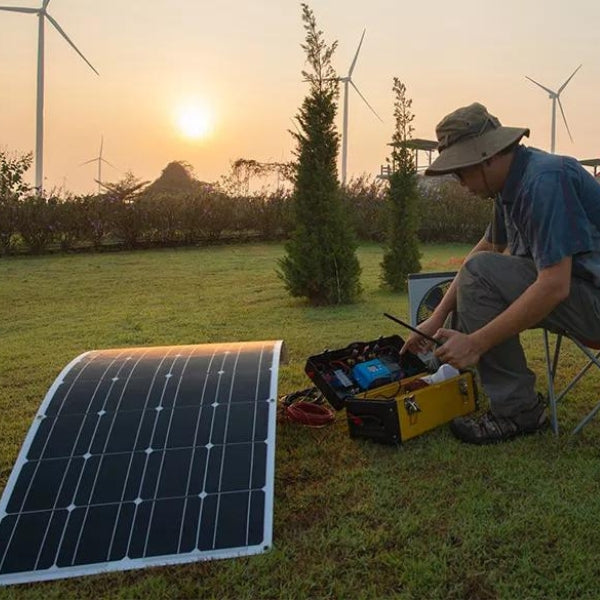
You bet your sun-loving self there are! Portable solar panels for battery charging are like the Swiss Army knives of the renewable energy world – compact, versatile, and ready for action wherever your adventures take you. These nifty devices come in all shapes and sizes, from pocket-sized chargers that'll juice up your smartphone to foldable arrays that can power a small camp. It's like having a personal power plant that fits in your backpack – how's that for living in the future? Let's start small and work our way up. For the minimalist traveler, there are credit card-sized solar chargers that can keep your phone or GPS device alive in a pinch. Brands like Anker and RAVPower offer these tiny titans that are perfect for day hikes or urban explorations. Step it up a notch, and you've got foldable solar panels that pack serious punch. Companies like Goal Zero, Jackery, and Renogy are leading the charge (pun intended) with panels ranging from 50W to 200W. These bad boys can fold up to the size of a laptop but unfurl to harness enough solar energy to charge everything from phones to laptops to portable power stations. For the true off-grid warriors, there are briefcase-style solar panel kits. These rugged systems often come with built-in charge controllers and can pump out 100W or more. They're perfect for camping, RVing, or creating a backup power system for your doomsday bunker (hey, we don't judge). But wait, there's more! Flexible solar panels are joining the portable party. These thin, bendable marvels can be attached to backpacks, tents, or even draped over your car hood. It's like wearing a solar-powered cape – who said eco-warriors can't be stylish? Now, let's talk compatibility. Most portable solar panels come with USB ports for direct device charging, but the real magic happens when you pair them with a portable power station or battery bank. This combo allows you to store that sweet solar energy for when the sun decides to play hide and seek. Remember, when choosing a portable solar panel, consider your power needs, the devices you'll be charging, and how much weight you're willing to carry. It's all about finding that perfect balance between power output and portability. So whether you're a weekend warrior, a digital nomad, or just someone who likes to be prepared, portable solar panels have got your back. They're turning battery anxiety into a thing of the past and making sure you stay charged, no matter how far off the grid you roam. Now that's what I call pocket-sized power!
Alright, energy enthusiasts, let's talk wattage! When it comes to charging batteries with solar panels, finding the ideal wattage is like Goldilocks searching for the perfect porridge – you want it just right. Here's the scoop: there's no one-size-fits-all answer. The ideal wattage depends on factors like your battery capacity, daily energy consumption, available sunlight, and how quickly you need to charge. It's like trying to fill a swimming pool – the size of your hose (solar panel wattage) depends on how big the pool is (battery capacity) and how fast you want to fill it. But fear not! We can break it down into some general guidelines to get you in the ballpark. For small batteries (like those in phones or tablets), a 5W to 20W panel will do the trick. It's like using a water pistol to fill a shot glass – small but effective. Moving up to 12V deep-cycle batteries (think RVs or small off-grid systems), you're looking at 100W to 200W panels. This is more like using a garden hose – steady and reliable. For larger systems or faster charging, 200W to 400W panels are your friend. Now we're talking fire hose territory – serious power for serious energy needs. Here's a rule of thumb: for every 100Ah of battery capacity, aim for about 150W to 200W of solar panel capacity. This ensures you can fully charge your batteries on an average sunny day. But wait, there's more! Consider your charge controller. MPPT controllers can squeeze more juice out of your panels, especially in less-than-ideal conditions. It's like having a super-efficient bartender who never spills a drop. Don't forget about sun hours. If you're in a cloudy area, you might need more wattage to compensate for less sunlight. It's like needing a bigger umbrella in Seattle compared to Phoenix. Lastly, consider your energy usage patterns. If you're a power-hungry user, you might want to err on the side of more wattage. It's better to have a bit extra than to be left in the dark. Remember, in the world of solar charging, more wattage isn't always better – it's about finding the sweet spot that balances your needs, budget, and available space. It's like tuning an instrument – when you hit the right note, everything just works in harmony. So whether you're charging a phone or powering a small village, there's a solar panel wattage out there that's just right for you. Now go forth and harness that sweet, sweet solar power!