
FAQ
Listen up, sunshine seekers! You've got your shiny new solar panels, but that's just the beginning of your energy revolution. Let's talk about the must-have sidekicks for your solar setup. First off, you'll need an inverter – the unsung hero that transforms DC power into AC, making it usable for your home. Don't skimp on this bad boy; it's the brains of the operation. Next up, mounting hardware. Unless you're planning to balance those panels on your roof like a circus act, you'll need robust brackets and rails. Think of them as the backbone of your system, keeping everything in place when Mother Nature throws a tantrum. Charge controllers are another non-negotiable. These nifty devices regulate the voltage and current coming from your panels, preventing your batteries from throwing a fit (or worse, giving up the ghost). Speaking of batteries, if you're going off-grid or want backup power, a sturdy battery bank is your new best friend. Lastly, don't forget the unsung heroes: cables and connectors. They're the veins of your solar system, carrying that sweet, sweet electricity where it needs to go. Invest in quality here, folks – cheap cables are a false economy that'll come back to bite you faster than you can say "short circuit."
Alright, energy enthusiasts, let's talk about squeezing every last drop of power from those sun-soaking beauties. First up, microinverters or power optimizers. These little wizards work their magic on individual panels, ensuring that a shaded or underperforming panel doesn't drag down the whole team. It's like having a personal coach for each of your solar athletes. Next, consider tracking systems. These clever contraptions move your panels to follow the sun's path, like sunflowers on steroids. They can boost energy production by up to 25% in some cases. Sure, they're a bit pricey, but if you're serious about maximizing output, they're worth their weight in solar gold. Don't overlook the power of cleanliness. A good cleaning system can keep your panels sparkling, preventing dust and debris from cramping their style. Some systems even do the job automatically, like a Roomba for your roof. For the data nerds out there, monitoring systems are a game-changer. They provide real-time insights into your system's performance, helping you spot and fix issues before they become energy-sucking monsters. Lastly, consider solar concentrators. These futuristic-looking devices use lenses or mirrors to focus more sunlight onto your panels, potentially doubling their output. They're not for everyone, but for those with limited space and a hunger for power, they're worth investigating.
Listen up, solar shoppers! Finding top-notch accessories for your sun-powered setup isn't like picking up milk at the corner store. You've got options, and choosing wisely can mean the difference between a solar system that purrs like a kitten and one that wheezes like a chain-smoking sloth. First stop: specialized solar equipment distributors. These folks live and breathe solar, and they've got the good stuff. We're talking names like Renogy, Victron Energy, and OutBack Power. They offer everything from inverters that could survive the apocalypse to batteries that'll keep you powered through the longest of blackouts. Don't overlook big-box home improvement stores. Places like Home Depot and Lowe's have upped their solar game in recent years. While they might not have the most cutting-edge gear, they're a solid option for basics like mounting hardware and cables. For the tech-savvy among you, online marketplaces like Amazon and eBay can be treasure troves of solar accessories. Just remember, caveat emptor – buyer beware. Read those reviews like your energy independence depends on it (because it kinda does). If you're feeling fancy, check out eco-focused retailers like Real Goods or AltE Store. They curate high-quality, environmentally friendly options that'll make both your roof and your conscience shine. Lastly, don't forget local solar installers. Many offer top-tier accessories as part of their services. Plus, you get the added bonus of expertise and potentially some sweet, sweet warranties. Remember, when it comes to solar accessories, cheap often means expensive in the long run. Invest in quality, and your future self will thank you with years of trouble-free, green energy goodness.
Alright, solar enthusiasts, let's talk about the unsung heroes of your rooftop power plant – mounting brackets. These bad boys are the difference between a sleek, sturdy solar array and a costly game of 'catch the falling panel.' First up, know thy roof. Is it flat? Sloped? Made of shingles, tiles, or metal? Each type demands a different mounting solution. For instance, ballasted mounts are great for flat roofs, while rail-based systems are the go-to for sloped shingle roofs. Next, consider your climate. Living in hurricane alley? You'll want brackets that can withstand winds strong enough to blow the spots off a leopard. Snowy region? Look for mounts that allow for easy snow removal and can handle the extra weight. Material matters, folks. Aluminum is lightweight and corrosion-resistant, making it a popular choice. Stainless steel is the heavyweight champion, offering ultimate durability but at a higher cost. Choose wisely – your brackets need to outlast your mortgage. Don't forget about adjustability. Some mounts allow you to tweak the angle of your panels, maximizing sun exposure throughout the year. It's like giving your panels a season pass to the sun's all-you-can-eat buffet. Lastly, check those certifications. Look for UL 2703 listed products – it's like a seal of approval from the solar gods, ensuring your mounts meet rigorous safety and quality standards. Remember, the best mounting brackets are the ones you never have to think about again after installation. Choose well, and let your panels do the heavy lifting while your mounts do the silent, steadfast supporting act.
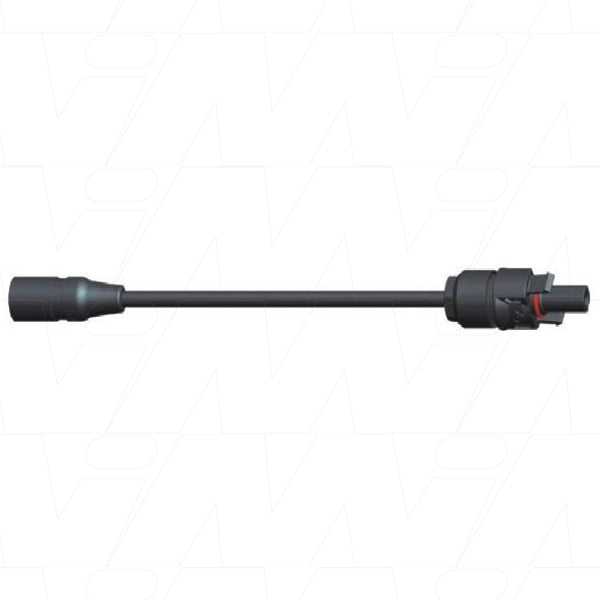
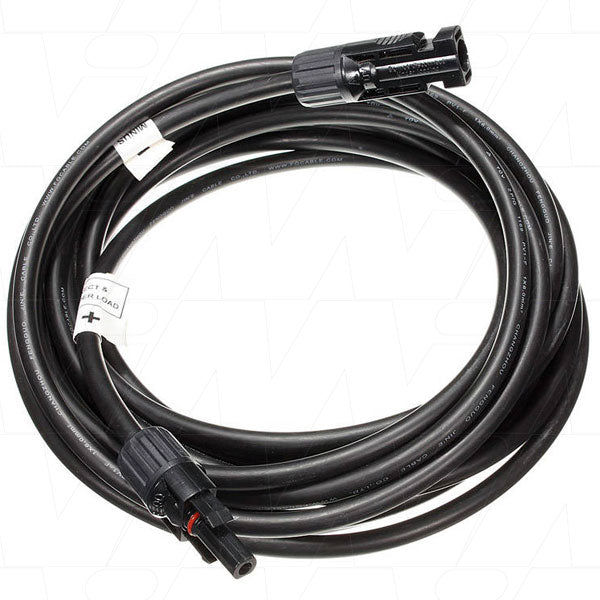
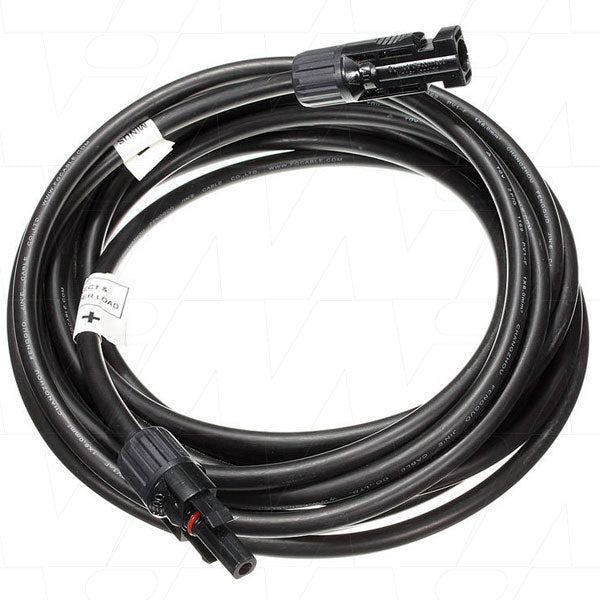
Listen up, solar aficionados! We're about to dive into the veins and arteries of your solar system – cables and connectors. These unsung heroes are the lifeline of your setup, carrying that precious sun juice from panels to inverter to your beer fridge (priorities, right?). First off, you'll need solar panel cables, also known as PV cables. These aren't your garden-variety extension cords. We're talking about heavy-duty, UV-resistant, double-insulated warriors designed to withstand nature's worst tantrums. Look for cables rated for your system's voltage and current, typically 10 AWG or 12 AWG for residential setups. Now, let's talk connectors. MC4 connectors are the industry standard, the cool kids of the solar world. They're like LEGO for adults – easy to connect, weather-resistant, and they make a satisfying 'click' when properly mated. You'll need these for connecting panels to each other and to the rest of your system. Don't forget about grounding cables. These are your system's safety net, directing any stray current safely into the ground instead of through your unsuspecting bare feet. For the final stretch to your inverter or charge controller, you might need some beefier cables. Think 6 AWG or even 4 AWG, depending on your system size and the length of the run. Remember, bigger isn't always better – match your cable size to your system's needs to avoid unnecessary costs. Lastly, consider ferrites – those little clamp-on cylinders that reduce electromagnetic interference. They're like noise-canceling headphones for your cables, ensuring your system runs smoothly without interfering with your Wi-Fi or TV reception. Remember, folks – skimping on cables and connectors is like wearing dollar store flip-flops to climb Everest. Invest in quality, and your solar setup will thank you with years of reliable, efficient performance.
Listen up, solar troopers! When it comes to weatherproofing your solar setup, think of it like dressing for a camping trip in unpredictable weather. Sure, you could go in your birthday suit, but you'd be in for a world of hurt when the elements decide to throw a tantrum. First off, let's talk about the panels themselves. Most are built tougher than a two-dollar steak, designed to withstand hail, high winds, and even the occasional curious squirrel. But that doesn't mean the rest of your system can skinny dip in a thunderstorm. Your inverter, the brains of the operation, needs protection like a newborn baby. If it's not rated for outdoor use (and many aren't), you'll need a weatherproof enclosure. Think of it as a high-tech raincoat that keeps your inverter dry and happy. Cables and connectors are the veins of your solar system, and they need to be weather-resistant too. Look for UV-resistant, waterproof options. Cheap cables exposed to the elements will degrade faster than ice cream on a hot sidewalk. Don't forget about junction boxes and combiner boxes. These need to be watertight to prevent moisture from turning your expensive equipment into a fancy birdbath. Look for IP65 rated boxes or higher – they're tighter than a drum and perfect for keeping Mother Nature's fingers out of your solar pie. If you're using batteries for storage, they need a cool, dry place to hang out. A well-ventilated, weatherproof enclosure is crucial unless you want your batteries to have the lifespan of a mayfly. Lastly, consider weatherproof monitoring systems. These little gadgets keep an eye on your setup's performance, and they need to be as tough as the rest of your gear. Remember, folks – a solar system is only as strong as its weakest link. Weatherproof accessories aren't just necessary; they're the unsung heroes that keep your solar dreams from washing away in the first rainstorm. Invest in quality weatherproofing, and your solar setup will keep humming along, come rain, shine, or apocalypse.