










FAQ
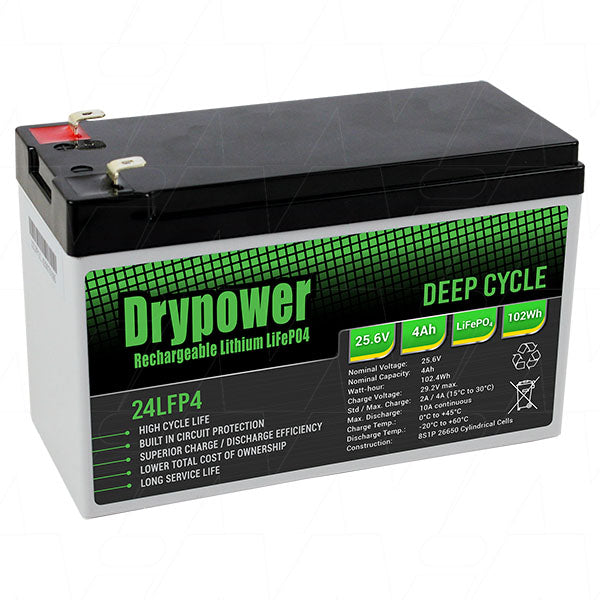
Solar batteries aren't cheap, but they're getting more affordable. Prices range from $5,000 to $15,000 for a typical home system. That's a chunk of change, but consider this: you're buying energy independence. It's like having your own mini power plant. Factors affecting cost include capacity, chemistry, and brand. Lithium-ion batteries are the cool kids on the block - pricier but longer-lasting. Lead-acid? They're the budget option, but you'll replace them sooner. Installation can add another $1,000 to $3,000 to your bill. But here's the kicker: prices are dropping faster than a skydiver without a parachute. In five years, you might kick yourself for not jumping on the solar battery bandwagon sooner.
Home solar batteries are like designer handbags for your house - they come with a hefty price tag. We're talking $7,000 to $14,000 for a standard system. But unlike that overpriced purse, these babies pay you back. Capacity is key: a 10kWh system might set you back $10,000, while a beefier 20kWh could hit $20,000. Tesla's Powerwall? That's the Gucci of solar storage, running around $11,500 installed. LG and Sonnen offer similar high-end options. Don't forget incentives - they're like coupons for your energy revolution. Federal tax credits can slash 30% off the price, and some states throw in extra perks. It's an investment, sure, but one that keeps your lights on when the grid goes dark.
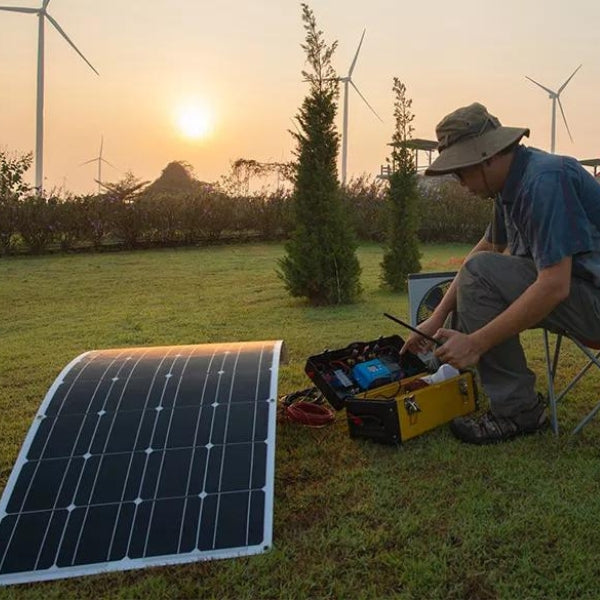
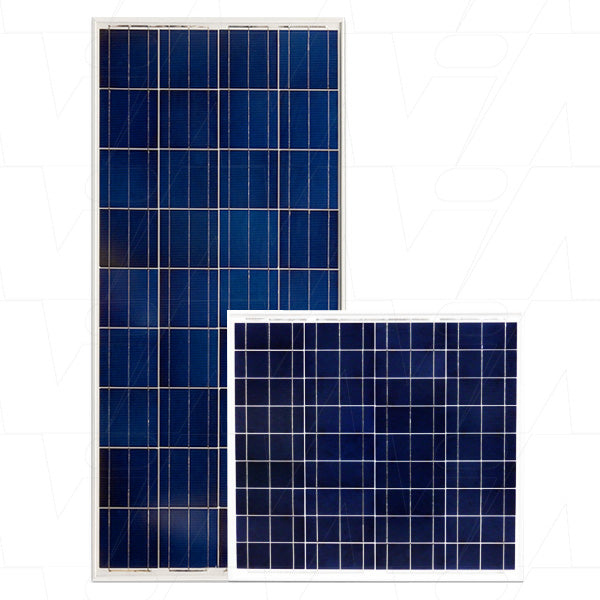
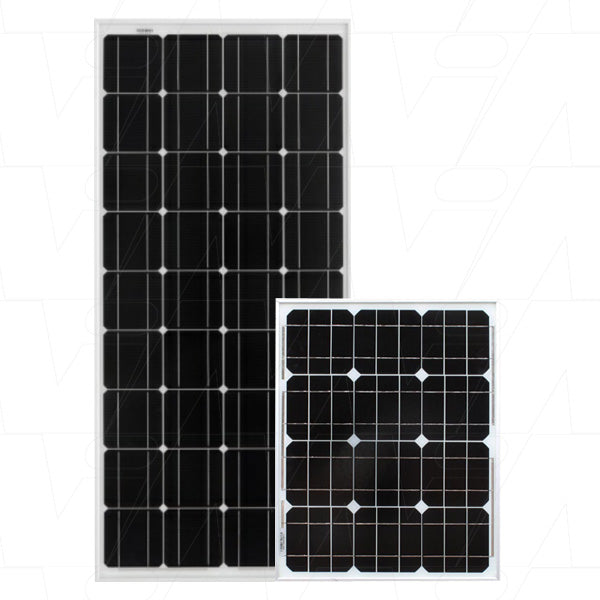
Camping with solar gear is like bringing a slice of the future to your outdoor adventure. For the weekend warrior, portable solar panels are your new best friend. Goal Zero's Nomad series is the Swiss Army knife of solar - compact, efficient, and tougher than a two-dollar steak. Need more juice? Renogy's suitcase panels unfold like a sunbathing transformer. For power storage, Jackery's Explorer series is the belle of the ball - it's like having a silent generator without the gas fumes. EcoFlow's River Pro is another solid contender, packing a punch in a compact package. Don't forget flexible panels - they're perfect for curvy caravan roofs and about as bendable as a yoga instructor. Brands like Sunpower and Flexopower are leading the charge here. Remember, the best setup depends on your needs - are you a light packer or bringing the whole kitchen sink?
Picking a solar setup for your caravan is like choosing the perfect travel companion - it needs to fit your style and meet your needs. First, do some energy math. List your gadgets and their power hunger. A 100W panel might suffice for charging phones and running LED lights, but add a fridge and you're looking at 200W or more. Battery capacity is crucial - think of it as your energy savings account. AGM batteries are reliable workhorses, while lithium offers more bang for your buck (and space). Consider a smart solar controller - it's like having a personal energy manager on board. Rigid panels are great for permanent installs, while portable panels offer flexibility for shade-seeking. Don't skimp on quality - cheap gear is as reliable as a chocolate teapot in the outback. Brands like Victron, Redarc, and Enerdrive are caravan solar royalty. Remember, the perfect setup grows with you - start small and upgrade as you go.
Finding trustworthy camping solar gear is like hunting for buried treasure - you need to know where to look. Online marketplaces like Amazon and eBay are convenient, but buyer beware - they're also breeding grounds for knockoffs. For peace of mind, specialty outdoor retailers are your best bet. REI and Backcountry.com stock quality brands and offer solid advice. Want to support the little guy? Check out CampSaver or GearTrade for deals on top-notch equipment. For Aussie adventurers, Tentworld and BCF are go-to spots. Don't overlook manufacturer websites - buying direct often means better warranties and customer support. Local camping stores are goldmines of knowledge - plus, you can fondle the gear before buying. Remember, the cheapest option is rarely the best. Invest in reliability, and your solar setup will be powering adventures long after the bargain bin specials have bitten the dust.
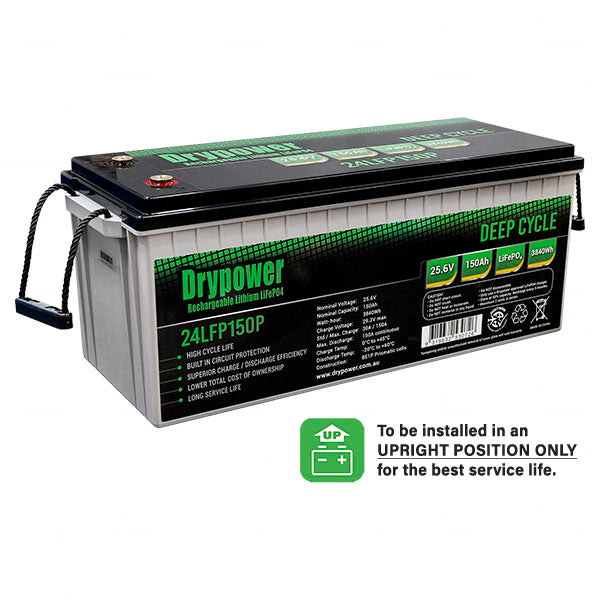
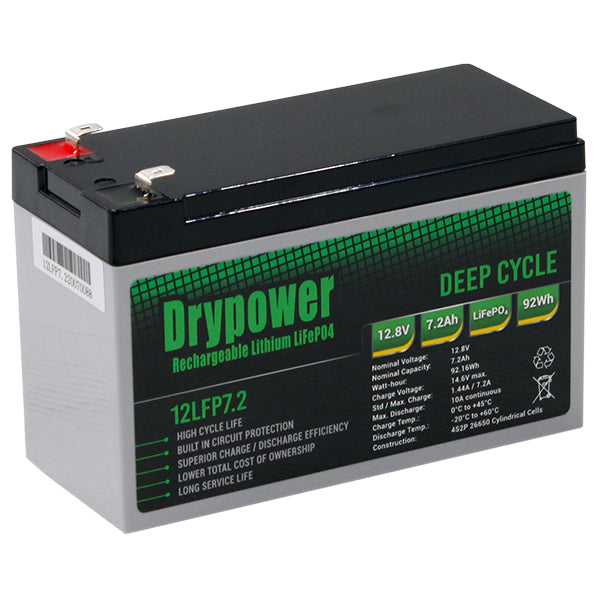
Off-grid camping power solutions are the unsung heroes of wilderness adventures. Solar generators are the Swiss Army knives of portable power - Jackery, Goal Zero, and Bluetti lead the pack here. They're silent, emission-free, and more reliable than your old Scout leader. For longer trips, pair them with folding solar panels to keep the juice flowing. If weight's no issue, lithium battery banks coupled with rigid solar panels offer serious power. Brands like Battle Born and Renogy are built tougher than a $2 steak. Need backup? Throw in a small gas generator - Honda's EU series purrs quieter than a sleeping kitten. For the tech-savvy camper, smart power management systems from Victron or Redarc optimize your energy use like a miserly accountant. Don't forget USB power banks for small devices - Anker and RAVPower are reliable choices. The best solution? A mix of options. Like a good campfire story, the perfect power setup has layers.