FAQ
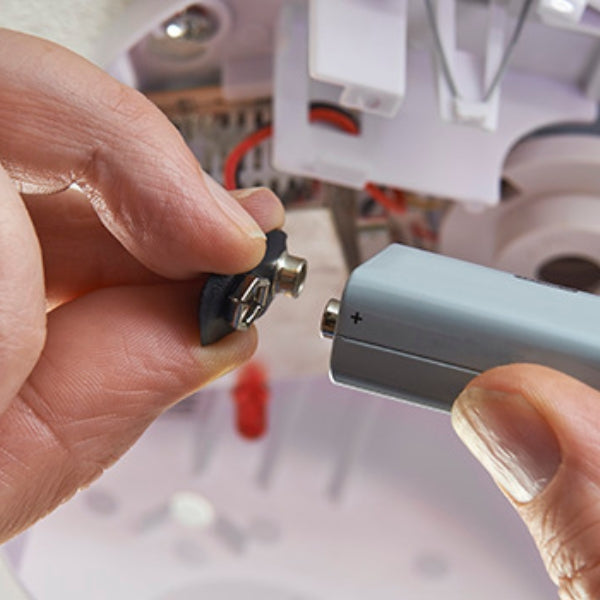
Ah, the classic Seiko battery swap – a rite of passage for any watch enthusiast worth their salt. First things first, gather your tools: a case back opener, tweezers, and a fresh battery. Pop that case back off like you're cracking open a cold one on a hot day. Locate the battery, typically held in place by a tiny metal clip. Carefully remove the old battery, making a mental note of its orientation. Slide in the new battery, ensuring it's snug as a bug in a rug. Before sealing the deal, check if your watch is ticking away happily. If all's well, close up shop and pat yourself on the back – you've just saved yourself a trip to the watchmaker and earned some serious horological street cred.
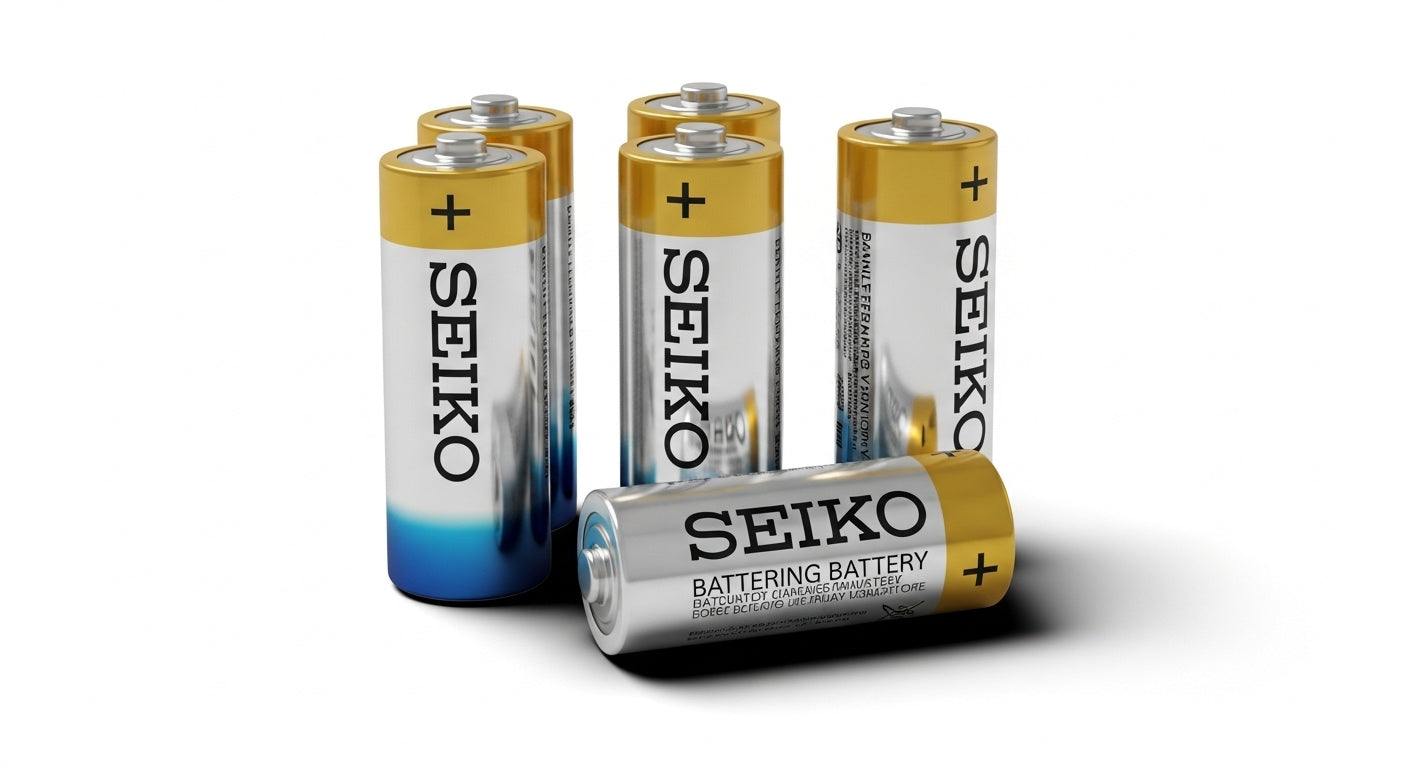
Decoding the Seiko battery enigma is like cracking a secret agent's code – exciting, yet potentially frustrating. Most Seiko quartz watches use silver oxide batteries, with the most common being the SR626SW or 377. However, like snowflakes, no two Seiko models are exactly alike. Your best bet? Pop open that case back and take a gander at the battery itself. You'll find a number etched on it, looking something like SR920SW or CR2016. Jot that down and march into your local watch shop or electronics store like you own the place. Alternatively, consult your watch's manual – if you haven't used it as a coaster, that is.
Seiko solar watches are like the Energizer Bunny of the watch world – they keep going and going. These solar-powered marvels typically boast a battery life of about 10 years, give or take. But here's the kicker – with proper care and regular exposure to light, these babies can theoretically last a lifetime. The key is to keep your watch basking in the glow of natural or artificial light, like a sun-worshipping reptile. Avoid leaving it in the dark for extended periods, lest it slip into a deep slumber. Remember, a happy Seiko solar watch is a well-lit one!
Finding a replacement battery for your Seiko is like embarking on a treasure hunt – exciting, with multiple paths to success. Your first port of call could be a reputable jeweler or watch repair shop. These folks know their stuff and can hook you up with the right battery faster than you can say "chronograph." For the more adventurous, online marketplaces like Amazon or eBay offer a smorgasbord of options. Just be sure to double-check your battery model number to avoid ending up with a dud. Electronics stores like Best Buy or even your local pharmacy might surprise you with their watch battery selection. And for the truly resourceful, Seiko's official website can point you in the right direction. Happy hunting!
Comparing Seiko kinetic and quartz batteries is like pitting a Tesla against a gas-guzzler – both get you where you're going, but the journey's quite different. Quartz watches rely on traditional batteries, typically lasting about 2-3 years before crying uncle. They're the reliable workhorses of the watch world – nothing fancy, just honest timekeeping. Kinetic watches, on the other hand, are the clever hybrids of the horological universe. They harness the power of your movement to charge a capacitor, which in turn powers the quartz movement. It's like having a mini power plant on your wrist! While kinetic watches don't need battery replacements as often, they do require regular wear to keep ticking. So, if you're prone to leaving your watch in a drawer for months, stick with quartz. But if you're always on the move, kinetic might just be your perfect match.
Spotting a dying Seiko battery is like detecting a bad date – the signs are there if you know what to look for. First off, if your watch starts losing time faster than a cheetah on roller skates, that's a red flag. Seiko quartz watches are usually spot-on, so any significant deviation is suspicious. Some models have a nifty end-of-life indicator – the second hand starts doing a jerky two-second hop instead of its usual smooth sweep. It's like your watch is doing the robot, telling you it's running on fumes. If your watch has complications like a chronograph or date display, these might start misbehaving or refuse to budge altogether. And if your watch suddenly stops dead in its tracks, well, you don't need to be Sherlock to figure that one out. When in doubt, pop it open and check the battery's age – if it's been more than 2-3 years, it might be time for a fresh power source.