Safety
This collection is empty
FAQ
When the lights go out, you want a battery that won't let you down. For emergency devices, lithium batteries reign supreme. They're the Energizer Bunny of the battery world – long-lasting, reliable, and ready to perform when you need them most. Brands like Energizer Ultimate Lithium and Duracell Optimum are top contenders, offering extended shelf life and superior performance in extreme temperatures. For devices that demand serious juice, consider investing in lithium iron phosphate (LiFePO4) batteries. They're the heavyweight champs of the safety battery arena, providing unparalleled longevity and stability.
Ah, the million-dollar question! The lifespan of safety batteries is like a game of battery roulette – it depends on the type, quality, and how you treat them. Alkaline batteries, the old reliables, typically last 5-10 years in storage. But lithium? Those bad boys can hang tough for up to 20 years. LiFePO4 batteries take it to the next level, boasting a potential lifespan of 3000-5000 charge cycles. In use, it's a different story. Your mileage may vary depending on the device and usage patterns. A high-drain device like a flashlight might gobble up alkaline batteries in hours, while lithium could keep it burning for days.
Ah, the million-dollar question! The lifespan of safety batteries is like a game of battery roulette – it depends on the type, quality, and how you treat them. Alkaline batteries, the old reliables, typically last 5-10 years in storage. But lithium? Those bad boys can hang tough for up to 20 years. LiFePO4 batteries take it to the next level, boasting a potential lifespan of 3000-5000 charge cycles. In use, it's a different story. Your mileage may vary depending on the device and usage patterns. A high-drain device like a flashlight might gobble up alkaline batteries in hours, while lithium could keep it burning for days.
You bet your bottom dollar there are! Rechargeable safety batteries are like the gift that keeps on giving – to your wallet and the environment. NiMH (Nickel-Metal Hydride) rechargeables are the workhorses of the bunch, offering a solid balance of performance and value. But if you want to step up your game, look no further than rechargeable lithium-ion batteries. These powerhouses deliver high capacity and slow self-discharge rates, making them ideal for long-term emergency preparedness. For the crème de la crème of rechargeables, consider LiFePO4 batteries. They're pricier upfront but offer unmatched longevity and stability. Just remember, investing in a quality charger is as crucial as the batteries themselves – it's like a spa day for your cells, keeping them healthy and ready for action.
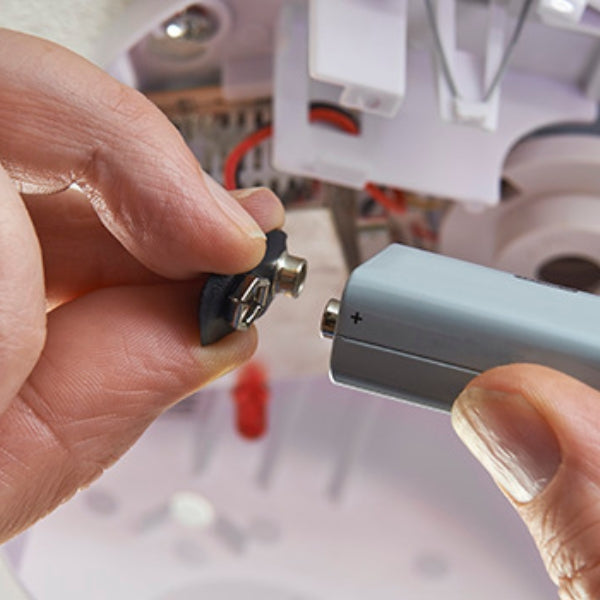
Some safety devices are pickier eaters than others when it comes to their power source. Smoke detectors often demand specific batteries – typically 9V or lithium cells designed for long life. Carbon monoxide detectors can be equally finicky, with many models requiring sealed lithium batteries that last the life of the unit. Emergency weather radios might call for specialized battery packs or adaptors. For the preppers among us, emergency beacons and satellite phones often use custom battery packs designed for extreme conditions. And let's not forget about medical devices – pacemakers and insulin pumps rely on specific, medical-grade batteries. The takeaway? Always check your device's manual before playing battery roulette. When safety's on the line, it pays to be picky.
Storing safety batteries is like preparing for a long winter – it's all about creating the right environment. First things first, keep them cool and dry. Extreme temperatures are battery kryptonite, so aim for a steady 68°F (20°C). Humidity? Not your friend. Use airtight containers or original packaging to keep moisture at bay. Organize batteries by type and expiration date – it's like a first-in, first-out inventory system for your power cells. Avoid mixing old and new batteries or different types – that's a recipe for leakage and reduced performance. For long-term storage, consider using battery cases or plastic bags with the terminals covered to prevent short circuits. And here's a pro tip: rotate your stock every few years, using older batteries in non-critical devices. With proper care, your emergency power stash will be ready to save the day when darkness falls.