

FAQ
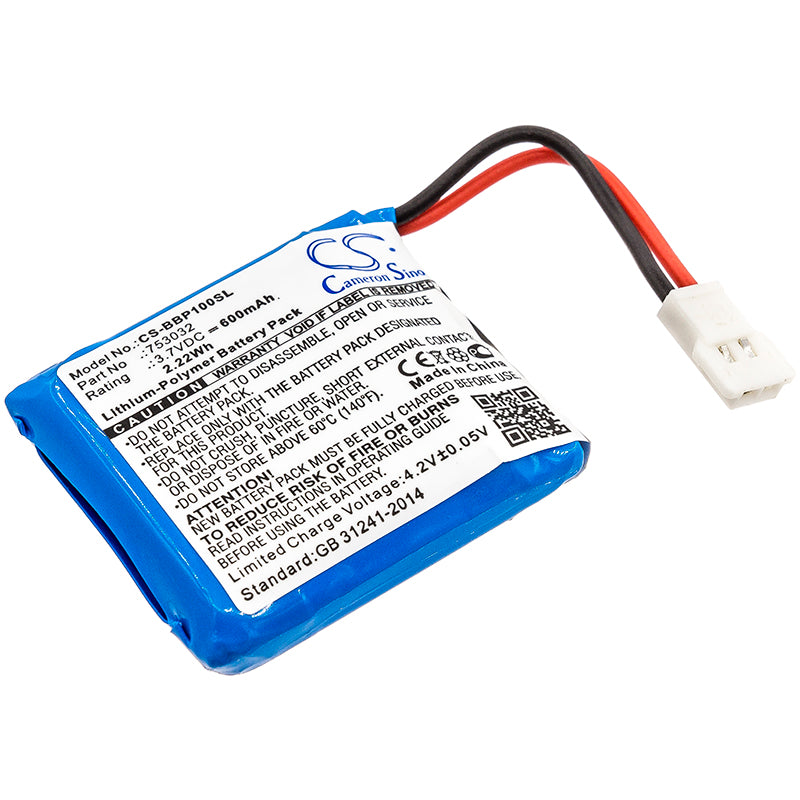
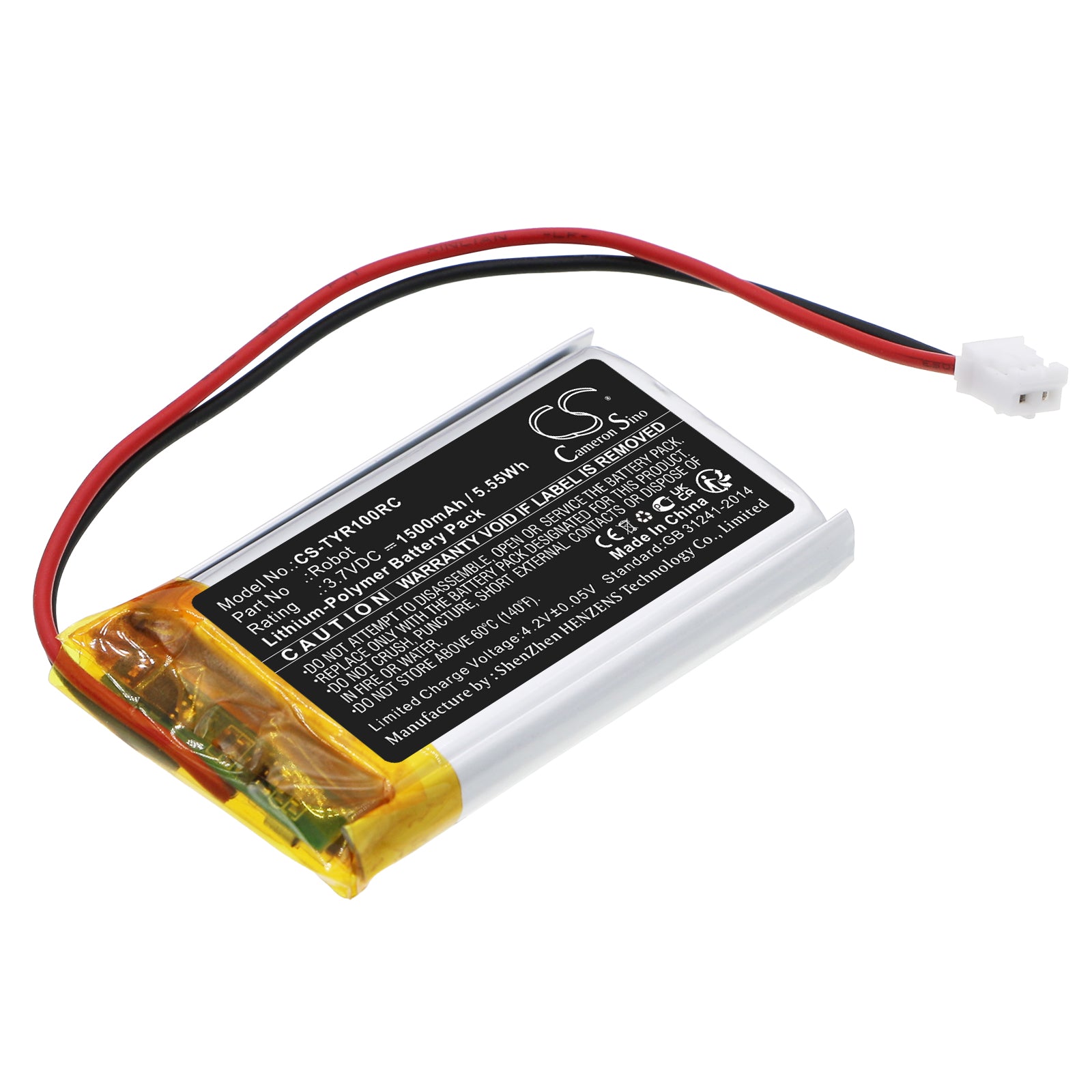
When it comes to powering your mechanical companion, lithium-ion batteries reign supreme in the robot kingdom. These energy-dense powerhouses offer a winning combination of lightweight design, high capacity, and rapid charging capabilities. But hold your horses, aspiring roboticists! Before you go slapping any old lithium-ion into your creation, consider the specific needs of your bot. For high-drain applications like industrial robots or power-hungry humanoids, LiPo (Lithium Polymer) batteries might be your best bet. They're like the caffeinated cousin of standard lithium-ion, offering even higher discharge rates and a slimmer profile. Just remember, with great power comes great responsibility – these bad boys require careful handling and storage.
Ah, the million-dollar question that keeps robot enthusiasts up at night! The truth is, battery life for our silicon-based friends is about as varied as human attention spans. A small hobby robot might chug along for a few hours on a single charge, while an industrial behemoth could keep trucking for 8-12 hours or more. It all boils down to the battery capacity, the robot's power consumption, and how hard you're pushing it. Think of it like running a marathon – a gentle jog will get you further than an all-out sprint. To really nail down your robot's endurance, you'll need to do some real-world testing and maybe invest in a good battery monitoring system. After all, nobody likes a robot that conks out mid-task!
Hold your horses, cowboy! While it might be tempting to jam whatever battery you've got lying around into your robotic creation, that's a surefire recipe for disaster (or at least disappointment). Robots are picky eaters when it comes to power sources. They need batteries that can deliver the right voltage, provide enough current, and fit within their sometimes cramped chassis. Using the wrong battery is like trying to fuel a sports car with maple syrup – it's not going to end well. Most robots are designed with specific battery types in mind, whether that's lithium-ion, NiMH, or even good old alkaline cells for simpler bots. Always check your robot's specifications or consult the manufacturer before playing battery roulette. Your robot (and your wallet) will thank you.
Listen up, robot wranglers! Extending your bot's battery life isn't rocket science, but it does require some TLC. First off, treat your battery like a temperamental diva – it hates extreme temperatures. Keep it cool, but not too cool, and definitely not toasty. Next, practice the Goldilocks principle of charging: not too full, not too empty, but just right. Aim to keep your battery between 20% and 80% charge for optimal longevity. And for the love of all things robotic, use the right charger! A mismatched charger is like force-feeding your battery a spicy burrito – it's not going to end well. Finally, give your battery some downtime. Even robots need a break, so if you're not using your mechanical buddy for a while, store the battery at about 50% charge. Follow these tips, and your robot's battery will be singing your praises in binary for years to come!
Alright, gear heads, let's dive into the electrifying world of robot juice! Lithium-ion and Nickel-Metal Hydride (NiMH) batteries are like the Coke and Pepsi of the robot power world – both popular, but with distinct flavors. Lithium-ion batteries are the cool kids on the block, boasting higher energy density (more power in a smaller package), lighter weight, and no memory effect (that annoying thing where batteries "forget" their full capacity). They're the go-to for modern, high-performance robots. NiMH batteries, on the other hand, are like the reliable old friend – they're generally cheaper, more robust in extreme temperatures, and less prone to catching fire if mistreated (always a plus). They do suffer from memory effect and self-discharge more quickly, though. In the end, choosing between lithium and NiMH is like picking between a sports car and a pickup truck – it depends on what kind of robot you're driving!
Alright, gear heads, let's dive into the electrifying world of robot juice! Lithium-ion and Nickel-Metal Hydride (NiMH) batteries are like the Coke and Pepsi of the robot power world – both popular, but with distinct flavors. Lithium-ion batteries are the cool kids on the block, boasting higher energy density (more power in a smaller package), lighter weight, and no memory effect (that annoying thing where batteries "forget" their full capacity). They're the go-to for modern, high-performance robots. NiMH batteries, on the other hand, are like the reliable old friend – they're generally cheaper, more robust in extreme temperatures, and less prone to catching fire if mistreated (always a plus). They do suffer from memory effect and self-discharge more quickly, though. In the end, choosing between lithium and NiMH is like picking between a sports car and a pickup truck – it depends on what kind of robot you're driving!