



FAQ
Listen up, battery aficionados and power-hungry gadget lovers! If you're on the hunt for the crème de la crème of lithium-ion single-cell chargers, you've come to the right place. Let's cut through the noise and get straight to the good stuff. First up, we've got the XTAR VC4S – this bad boy is like the Swiss Army knife of chargers. It's smart, it's sleek, and it'll juice up your cells faster than you can say "overcharge protection." Next in line is the Nitecore UMS4, a beast that'll handle just about any battery you throw at it, from tiny AAAs to beefy 21700s. For the data nerds out there, the SkyRC MC3000 is your holy grail. This charger is so detailed, it'll make spreadsheet jockeys weep with joy. It's got more analysis features than a CSI lab, and it'll let you fine-tune your charging like a mad scientist. But wait, there's more! The Opus BT-C3100 V2.2 is the dark horse of the bunch. It's not as flashy as some, but it's got it where it counts – reliability, precision, and a price tag that won't make your wallet cry. Last but not least, for those who like to keep things simple (but effective), there's the LiitoKala Lii-500S. It's user-friendly, dependable, and it won't break the bank. Perfect for beginners or those who just want to get the job done without a fuss. Remember, folks – these chargers aren't just good, they're the bee's knees, the cat's pajamas, and the whole enchilada rolled into one. Choose wisely, and may your batteries always be fully charged!
Alright, power-seekers, gather 'round! Choosing the right charger for your lithium-ion battery isn't rocket science, but it's not exactly a walk in the park either. Let's break it down so you can make a choice that'll have your batteries singing your praises. First things first, know thy enemy – er, battery. What size are we talking? 18650? 21700? Smaller than a peanut or big as your thumb? Your charger needs to fit your battery like a glove, so size matters, people! Next up, voltage. This is crucial, folks. Your charger needs to match your battery's voltage like peanut butter matches jelly. Most lithium-ion cells run at 3.6V or 3.7V, but don't assume – check your battery specs like your life depends on it (because, well, it kind of does). Now, let's talk amperage. This is where the speed demons perk up. Higher amperage means faster charging, but don't get too excited – some batteries can't handle the heat. Stick to the manufacturer's recommended charging current, or you might end up with a very expensive paperweight. Safety features are non-negotiable, people. Look for chargers with overcharge protection, short circuit protection, and temperature control. These are your guardian angels against the forces of battery evil. Don't forget about versatility. Unless you're a one-battery wonder, you might want a charger that can handle different sizes and types. It's like having a Swiss Army knife instead of a butter knife – you'll thank yourself later. Lastly, consider the bells and whistles. LCD screens, USB ports, car adapters – these aren't just for show. They can make your life easier and your charging smarter. But remember, more features usually mean more dollars, so weigh your needs against your wallet. There you have it, folks. Choose wisely, charge safely, and may the power be with you!
Listen up, battery buddies! The burning question on everyone's mind: Are lithium-ion single-cell chargers safe to use? Well, buckle up, because we're about to dive into the electrifying world of battery safety. First off, let's get one thing straight – quality matters. A well-designed, reputable lithium-ion single-cell charger is about as safe as houses. We're talking Fort Knox levels of security here. But a cheap knockoff? That's like playing Russian roulette with your batteries. These chargers come packed with more safety features than a nuclear bunker. We're talking overcharge protection, short circuit prevention, and temperature control. It's like having a team of tiny firefighters constantly on standby inside your charger. But here's the kicker – even the safest charger in the world can't protect you from user error. Using the wrong charger for your battery is like trying to fit a square peg in a round hole – it's not going to end well. Always, and I mean always, match your charger to your battery specs. Now, let's address the elephant in the room – those horror stories about exploding batteries. Sure, they happen, but they're rarer than a unicorn sighting. Most of these incidents are caused by damaged batteries, counterfeit products, or user mishandling. Treat your batteries and charger with respect, and they'll return the favor. One more thing – location, location, location! Charging your batteries on a flammable surface or near heat sources is a big no-no. It's like sunbathing in a lightning storm – technically possible, but why take the risk? So, are lithium-ion single-cell chargers safe? With the right product, proper use, and a dash of common sense, they're safer than a bubble-wrapped kitten in a padded room. Charge on, my friends, charge on!
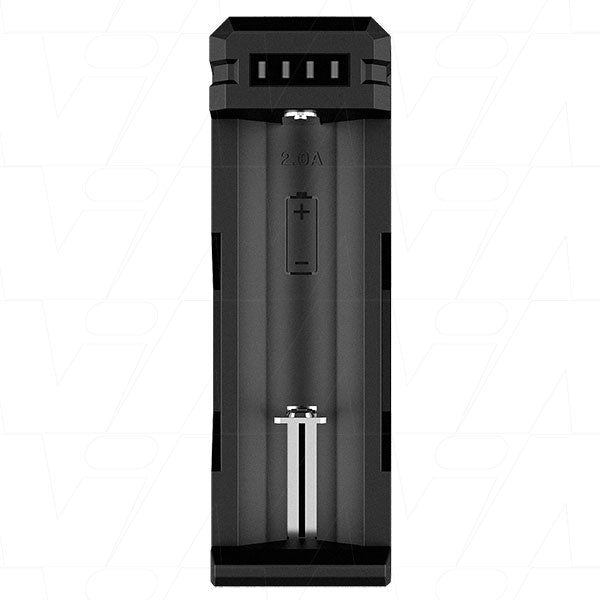
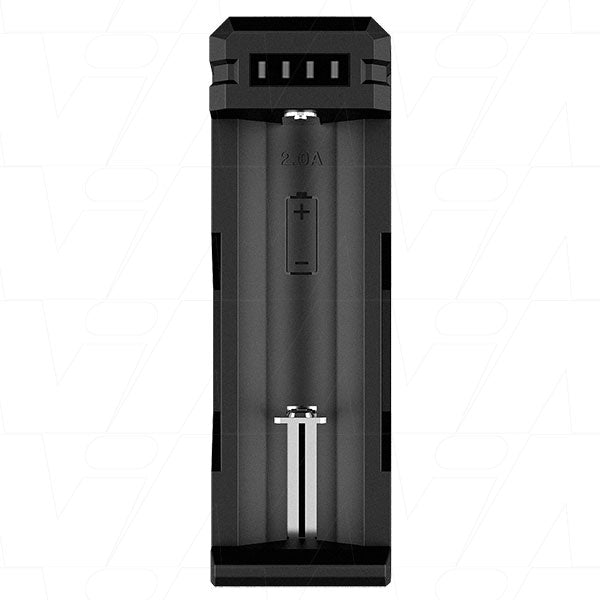
Alright, feature hunters, let's dive into the nitty-gritty of what makes a lithium-ion single-cell charger worth its salt. Buckle up, because we're about to go on a feature-filled rollercoaster ride! First up, multi-chemistry support. You want a charger that's not picky about its dance partners. Li-ion, LiFePO4, NiMH – the more, the merrier. It's like having a universal remote for your batteries. Next, adjustable charging current. This is the difference between a snail's pace and lightning speed. Look for a range from 0.1A to at least 1A. It's like having a volume control for your charging – sometimes you want a whisper, sometimes you want to rock out. Now, let's talk about the brain of the operation – smart charging. We're talking about a charger that can detect your battery's needs faster than you can say "overcharge." It should automatically stop charging when the battery is full, like a bartender who knows when you've had enough. Safety features are non-negotiable. Overcharge protection, short circuit protection, reverse polarity protection – these are your charger's bodyguards. Without them, you're walking into a battery battle unarmed. An LCD screen is like the window to your charger's soul. It should show you charging current, battery voltage, and capacity. It's like having a play-by-play commentator for your charging process. Independent charging slots are the multitaskers of the charging world. They let you charge different battery types at the same time. It's like being able to cook a steak and bake a cake in the same oven. USB output? Yes, please! This turns your charger into a power bank. It's like finding out your car can also make espresso – unexpected, but incredibly useful. Lastly, look for a charger with a good reputation and warranty. It's like dating – you want someone with a good track record and long-term potential. Remember, folks, a charger with all these features isn't just a charger – it's your battery's best friend, life coach, and bodyguard all rolled into one. Choose wisely!
Alright, time-watchers and clock-counters, let's talk about the million-dollar question: How long does it take to charge a lithium-ion single cell? Grab your stopwatches, because we're diving into the time-bending world of battery charging! First things first, there's no one-size-fits-all answer here. It's like asking how long a piece of string is – it depends! But fear not, we'll break it down faster than you can say "Is it charged yet?" The main players in this time game are battery capacity and charging current. It's a simple equation: bigger battery + slower charge = longer wait. A typical 18650 battery (around 3000mAh) charging at 1A will take about 3-4 hours to go from empty to full. It's like filling a bathtub – the bigger the tub, the longer it takes. But wait, there's more! Fast charging is the NOS of the battery world. Some chargers can pump out 2A or even 4A, potentially cutting your charging time in half. It's like switching from a garden hose to a fire hose – faster, but not always better for the long-term health of your battery. Now, let's talk about the charging curve. Lithium-ion batteries don't charge at a constant rate. They start fast, then slow down as they get fuller. It's like eating a big meal – you start off enthusiastically, but slow down as you get full. The last 20% can take as long as the first 80%! Temperature plays a role too. Too hot or too cold, and your battery turns into a slow poke. It's like trying to run a marathon in a sauna or a freezer – not ideal conditions for performance. And let's not forget about the charger itself. A smart charger will adjust its output based on the battery's needs, which can affect charging time. It's like having a personal trainer who adjusts your workout based on how you're feeling. So, what's the bottom line? For a typical lithium-ion single cell, you're looking at anywhere from 2-5 hours for a full charge. But remember, in the world of battery charging, patience isn't just a virtue – it's a necessity for battery longevity. Charge on, and may your wait times be short and your batteries long-lasting!
Alright, power-seekers and battery enthusiasts, it's time to embark on a shopping adventure! You're on the hunt for high-quality lithium-ion single-cell chargers, and boy, do I have a treasure map for you. Buckle up, because we're about to navigate the wild waters of charger procurement! First stop on our journey: Amazon. It's the everything store, and guess what? They've got everything, including a smorgasbord of lithium-ion chargers. From budget-friendly to premium, you'll find more options here than flavors in a candy store. Just remember to read those reviews like your life depends on it – because, well, it kind of does. Next up, we've got specialized battery retailers like Battery Junction and Illumn. These guys eat, sleep, and breathe batteries. They're the Ivy League of battery shopping – fewer options, but top-notch quality and expert advice. It's like having a battery sommelier at your service. For the tech-savvy and DIY crowd, there's Adafruit and SparkFun. These sites are like Disneyland for electronics enthusiasts. You might have to do a bit more digging, but you'll find some unique gems that'll make your inner geek squeal with delight. Don't forget about good ol' brick-and-mortar stores. Best Buy and hardware stores like Home Depot often carry reliable chargers. It's old school, but sometimes you just can't beat the "try before you buy" experience. Plus, instant gratification is a beautiful thing. For the bargain hunters out there, keep an eye on deal sites like Slickdeals or MassDrop (now Drop). They occasionally feature high-quality chargers at prices that'll make your wallet do a happy dance. It's like finding a designer suit at a thrift store price. Lastly, for the brave souls who don't mind international shipping, there's AliExpress. It's the wild west of online shopping – you might strike gold or end up with fool's gold. Proceed with caution, read seller ratings like tea leaves, and maybe cross your fingers for good measure. Remember, folks, when it comes to lithium-ion chargers, quality isn't just nice to have – it's essential. Whether you're shopping online or in-store, always do your homework. After all, a great charger is an investment in your batteries' future. Happy hunting, and may the charging odds be ever in your favor!