FAQ
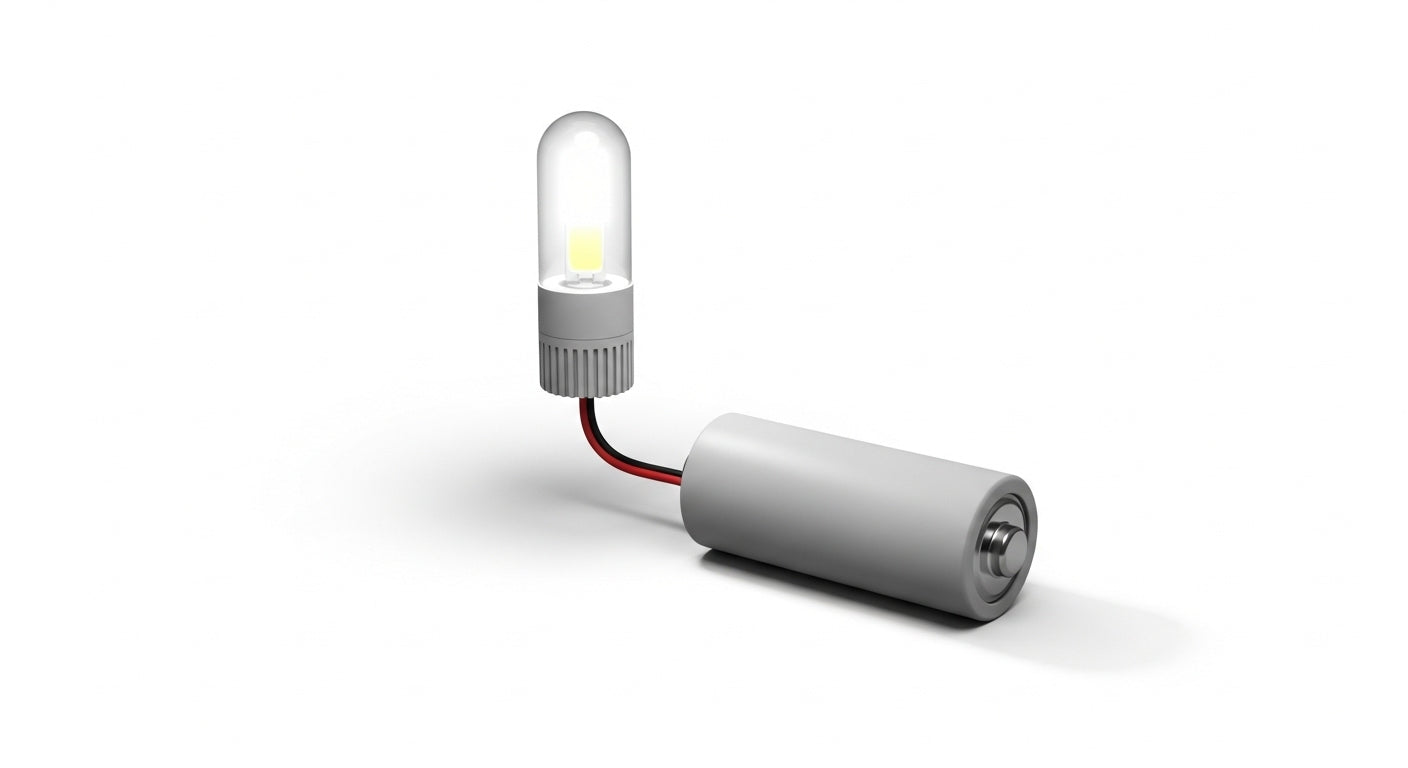
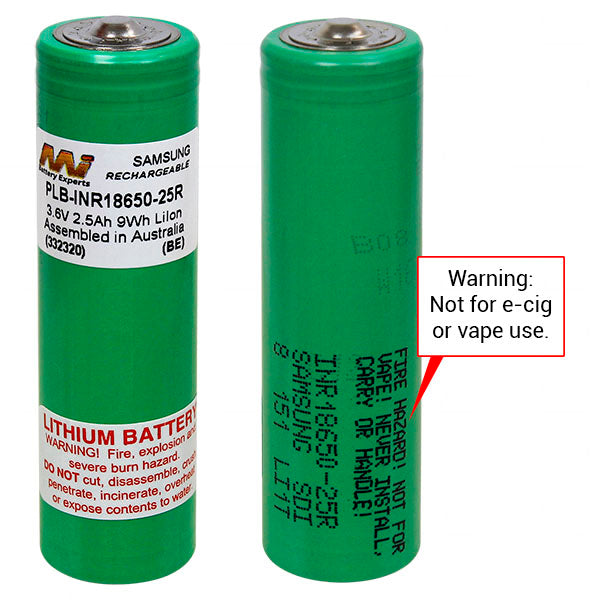
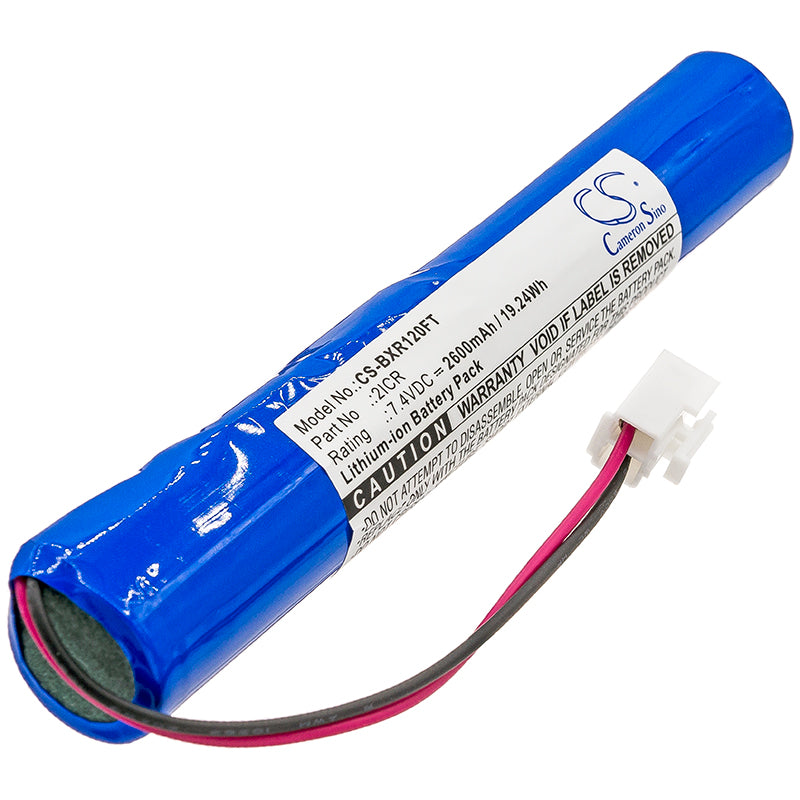
When it comes to powering your LED lights, lithium batteries are the crème de la crème. These power-packed dynamos offer a longer lifespan, higher energy density, and more stable voltage output than their alkaline counterparts. But hold your horses – if you're not ready to splurge on lithium, high-quality alkaline batteries from reputable brands like Duracell or Energizer can still get the job done. Just remember, your LED lights are only as good as the juice you feed them, so don't skimp on the batteries if you want your illumination to shine bright like a diamond.
Ah, the million-dollar question! The lifespan of an LED light battery is about as predictable as a cat's mood. It depends on a cocktail of factors, including battery type, LED brightness, and usage patterns. Generally speaking, a good quality alkaline battery can keep your LED light twinkling for anywhere from 18 to 24 hours of continuous use. Lithium batteries? They're the Energizer Bunny of the battery world, potentially lasting up to 36 hours or more. But remember, these are ballpark figures – your mileage may vary, so keep a spare set handy unless you fancy fumbling in the dark.
Looking for a trustworthy power source for your LED lights? You're in luck – reliable batteries are about as ubiquitous as cat videos on the internet. Your local supermarket, hardware store, or electronics retailer will have shelves stocked with options. But if you prefer to shop in your pajamas (no judgment here), online marketplaces like Amazon, Battery Junction, or even the websites of battery manufacturers themselves are goldmines for quality cells. Just remember to stick to well-known brands and authorized sellers – because when it comes to batteries, a deal that seems too good to be true probably is.
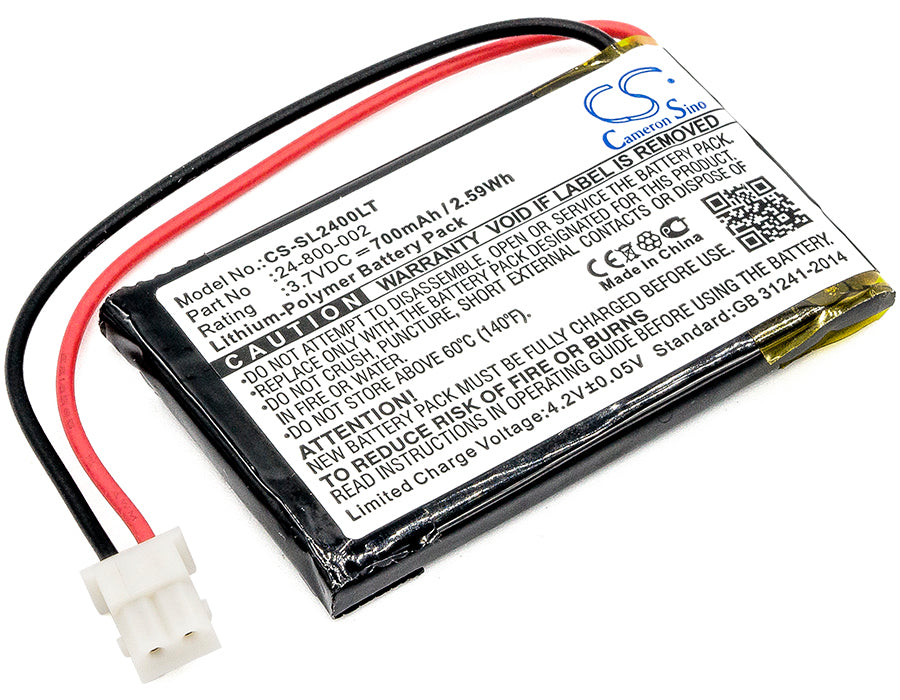
Rechargeable batteries and LED lights go together like peanut butter and jelly – it's a match made in eco-friendly, wallet-saving heaven. Not only do they reduce waste, but they also offer consistent performance and can save you a small fortune in the long run. Nickel-Metal Hydride (NiMH) rechargeables are particularly well-suited for LED lights, providing a steady voltage that keeps your illumination smooth and bright. However, they do have a slightly lower initial voltage than alkaline batteries, so make sure your LED device is compatible. And remember, even the best rechargeable batteries eventually lose their mojo, so be prepared to replace them every few hundred charges.
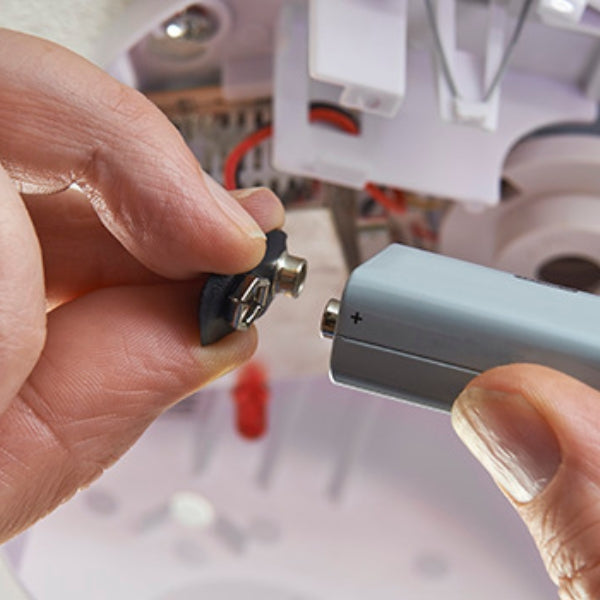
Replacing an LED light battery isn't rocket science, but it does require a gentle touch and a dash of common sense. First, channel your inner detective and locate the battery compartment – it's usually hiding under a small cover or cap. Once you've cracked the case, take note of the battery orientation. Most devices have helpful little diagrams, but if not, remember: positive to positive, negative to negative. Out with the old, in with the new, making sure you're using the correct battery type and size. Close everything up, and voila! You've just performed minor surgery on your LED light. Just don't expect a round of applause – your newly brightened device is thanks enough.
The battery life of LED lights is influenced by more factors than there are fish in the sea. First up is the quality and capacity of the battery itself – a premium battery will outlast a bargain bin option every time. Then there's the LED's brightness setting – cranking it up to 11 will drain your battery faster than a vampire at a blood bank. Usage patterns play a role too; constant use will deplete the battery quicker than intermittent illumination. Environmental factors like temperature can also impact performance, with extreme cold or heat shortening battery life. And let's not forget the age and condition of the LED itself – an older, less efficient light will be more of a power hog. In short, battery life is a delicate dance of variables, so treat your LED lights right, and they'll keep the party going all night long.