FAQ
When it comes to powering your portable lamp, not all batteries are created equal. The best battery for your trusty illuminator depends on a few factors, but generally, you'll want to opt for lithium-ion or high-capacity rechargeable NiMH batteries. These power-packed dynamos offer a longer lifespan, consistent output, and won't leave you fumbling in the dark when you least expect it. For those who prioritize longevity and performance, lithium-ion batteries are the crown jewels of portable power, providing a steady stream of lumens for your late-night adventures or emergency situations. However, if you're more of a casual lamp user or budget-conscious consumer, rechargeable NiMH batteries offer a solid balance of cost-effectiveness and reliability. Whatever you choose, just remember: a well-powered lamp is a happy lamp, and a happy lamp means you won't be tripping over your cat at 2 AM.
The lifespan of a lamp battery is about as predictable as a toddler's mood swings – it varies wildly depending on numerous factors. On average, you can expect a decent quality battery to keep your portable lamp shining for anywhere between 4 to 12 hours of continuous use. However, this isn't a one-size-fits-all scenario. The battery's longevity depends on the lamp's power consumption, the battery's capacity, and how often you use it. High-drain LED lamps will gobble up battery juice faster than a competitive eater at a hot dog contest, while more energy-efficient models might squeeze out a few extra hours of illumination. Lithium-ion batteries typically outlast their alkaline counterparts, potentially providing weeks of intermittent use before needing a recharge. The key takeaway? Choose your battery wisely, and your lamp will be your faithful nighttime companion, rather than a frustrating exercise in fumbling for spare batteries.
The lifespan of a lamp battery is about as predictable as a toddler's mood swings – it varies wildly depending on numerous factors. On average, you can expect a decent quality battery to keep your portable lamp shining for anywhere between 4 to 12 hours of continuous use. However, this isn't a one-size-fits-all scenario. The battery's longevity depends on the lamp's power consumption, the battery's capacity, and how often you use it. High-drain LED lamps will gobble up battery juice faster than a competitive eater at a hot dog contest, while more energy-efficient models might squeeze out a few extra hours of illumination. Lithium-ion batteries typically outlast their alkaline counterparts, potentially providing weeks of intermittent use before needing a recharge. The key takeaway? Choose your battery wisely, and your lamp will be your faithful nighttime companion, rather than a frustrating exercise in fumbling for spare batteries.
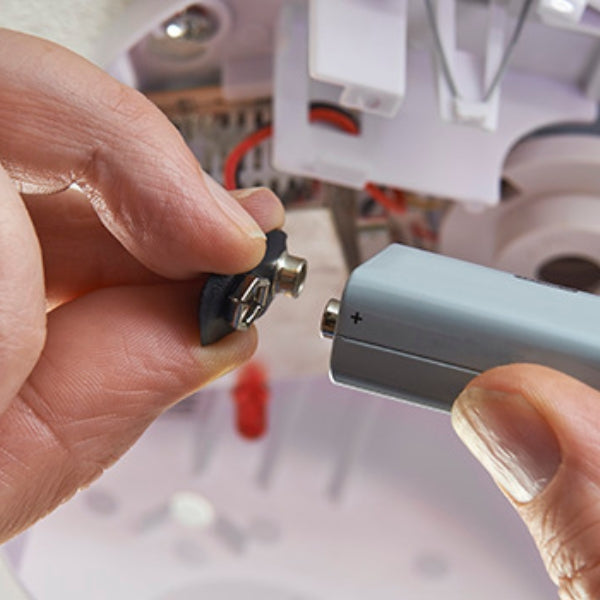
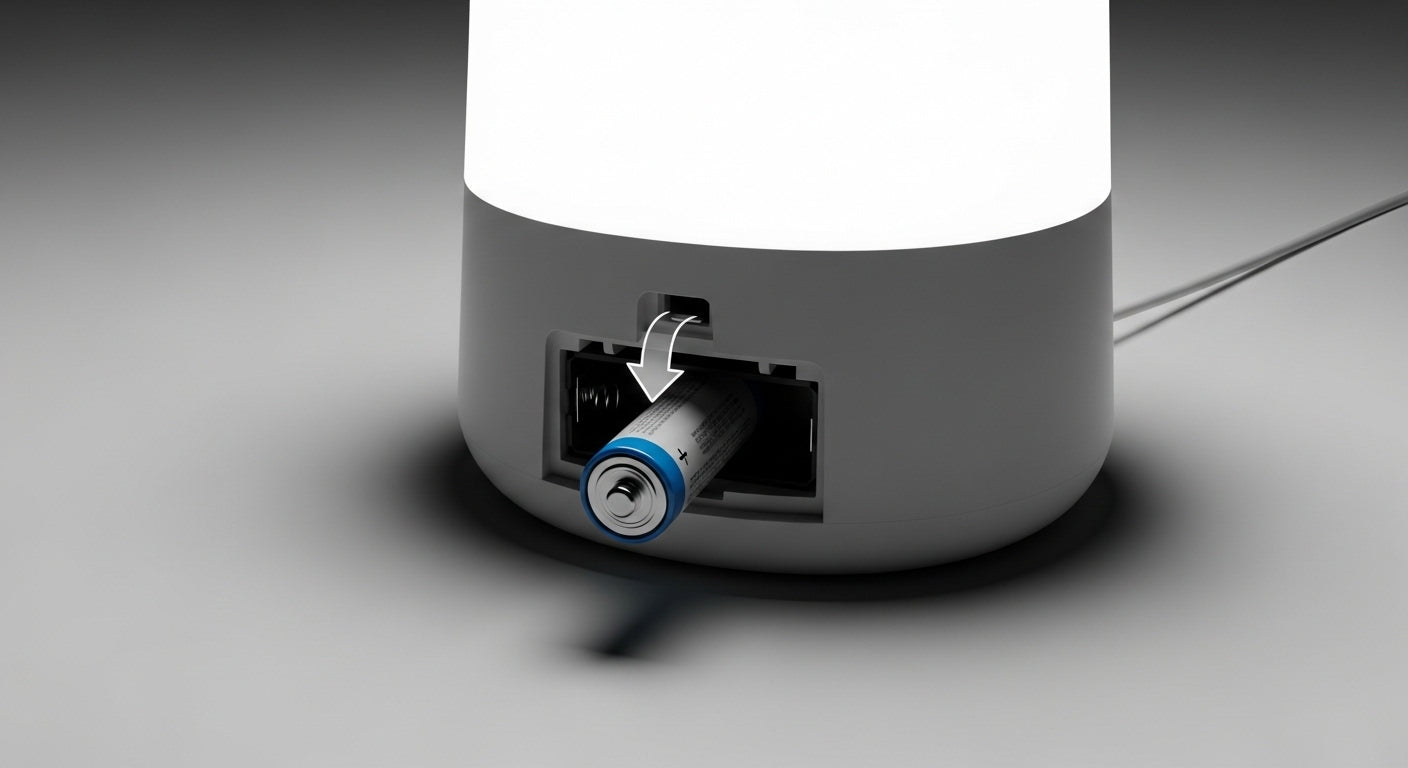
Replacing the battery in your lamp doesn't require an engineering degree or the dexterity of a surgeon, but it does demand a smidgen of patience and perhaps a dash of adventure. First, channel your inner detective and locate the battery compartment. This is usually disguised as a panel that slides off or pops open, often playing hard to get on the lamp's base or back. Once you've cracked this code, remove the old battery with the careful precision of a bomb disposal expert – you don't want any leaky surprises. Now, here's where things get exciting: observe the polarity markers (those little + and - symbols) in the compartment. They're not there for decoration; they're your roadmap to battery bliss. Insert the new battery, making sure it's oriented correctly – think of it as a battery tango, where the partners need to face the right way. If your lamp uses multiple batteries, replace them all at once. It's like changing your socks; you wouldn't change just one, would you? Finally, close the compartment with a satisfying click, and voila! You've just performed lamp surgery. Congratulations, Dr. Luminous!
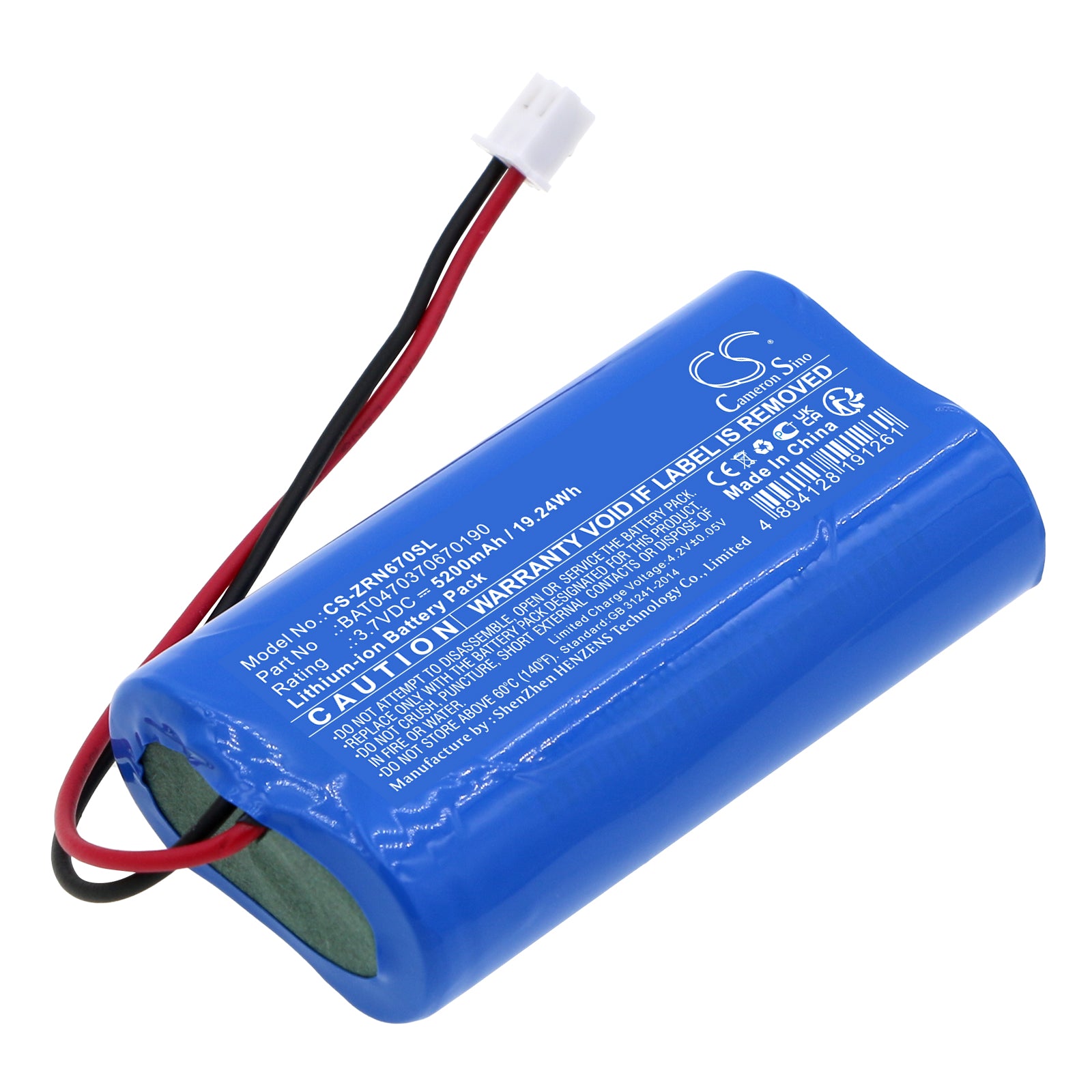
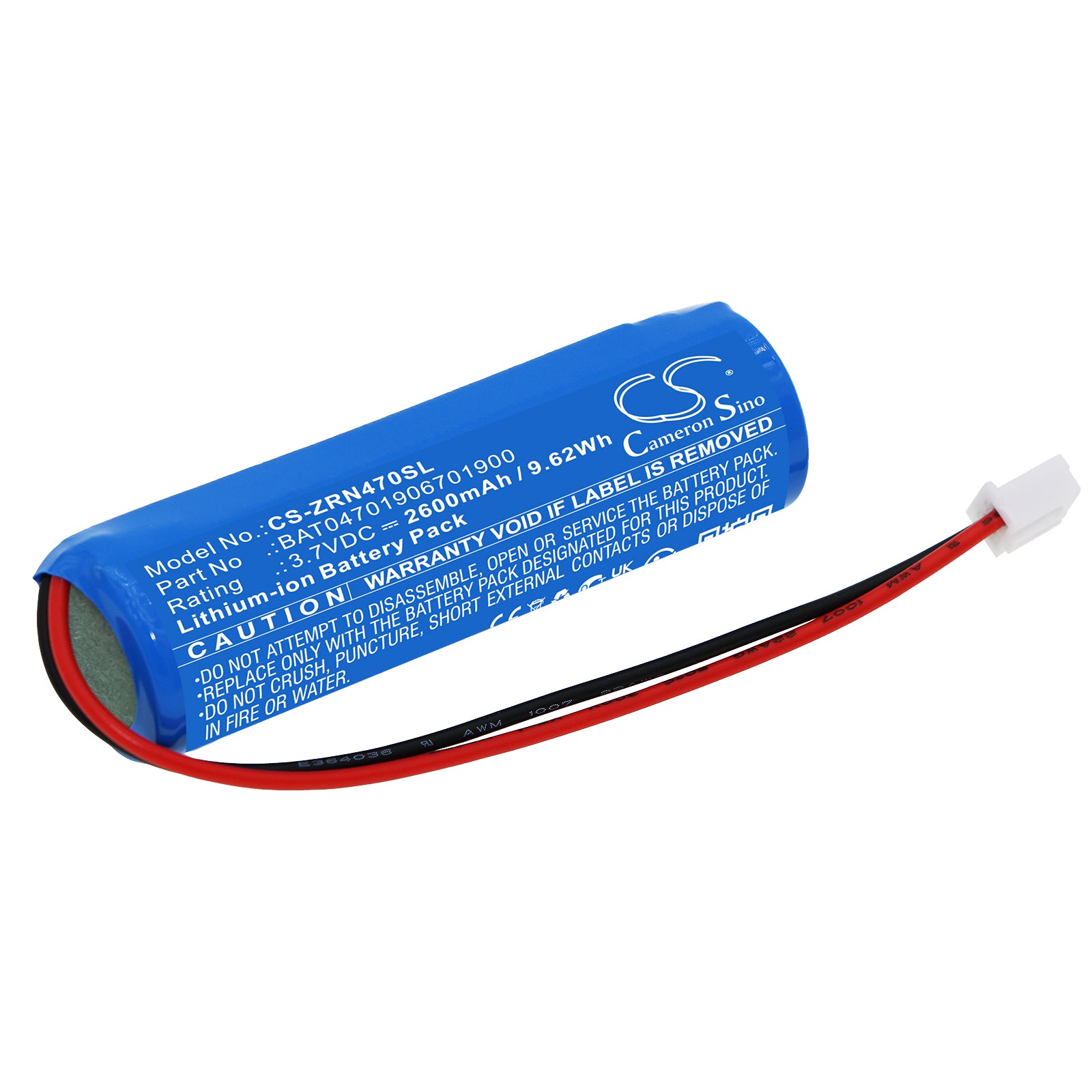
Absolutely! Rechargeable batteries for lamps are not only a thing, they're the eco-friendly superheroes of the illumination world. These power-packed wonders come in various shapes and sizes, ready to keep your lamp shining bright without contributing to landfills. The most common types you'll encounter are Nickel-Metal Hydride (NiMH) and Lithium-ion (Li-ion) batteries. NiMH batteries are like the reliable workhorses of the rechargeable world – they're affordable, widely available, and get the job done without much fuss. Li-ion batteries, on the other hand, are the sleek sports cars of portable power – they're lighter, pack more energy, and generally last longer, but they come with a heftier price tag. Some lamps even come with built-in rechargeable batteries, turning your humble light source into a plug-and-play marvel. So, whether you're an eco-warrior or just tired of constantly buying new batteries, rechargeable options are here to save the day (and night). Remember, switching to rechargeable batteries is like teaching your lamp to fish – it'll be self-sufficient for life!
The battery life of your trusty lamp is influenced by more factors than there are stars in a clear night sky. Okay, maybe not that many, but it's a complex interplay of variables that would make even a statistician's head spin. First up, we have the obvious culprit: usage patterns. If you're using your lamp more often than a caffeine addict uses their coffee maker, expect shorter battery life. The type of bulb your lamp uses also plays a significant role. LED bulbs are the marathon runners of the lighting world, sipping energy like it's a fine wine, while incandescent bulbs guzzle power like it's going out of style. The quality and capacity of the battery itself are crucial factors too – a high-capacity lithium-ion battery will outlast a bargain-bin alkaline any day of the week. Environmental conditions also throw their hat into the ring; extreme temperatures can make your battery throw in the towel faster than a boxer facing Mike Tyson. Finally, the lamp's power management system (if it has one) can make a difference. Some smart lamps can regulate their power consumption, stretching out battery life like a yoga instructor in a flexibility class. Understanding these factors is like having a crystal ball for your lamp's battery life – it won't give you exact predictions, but it'll help you make informed decisions about when to recharge or replace.