

FAQ
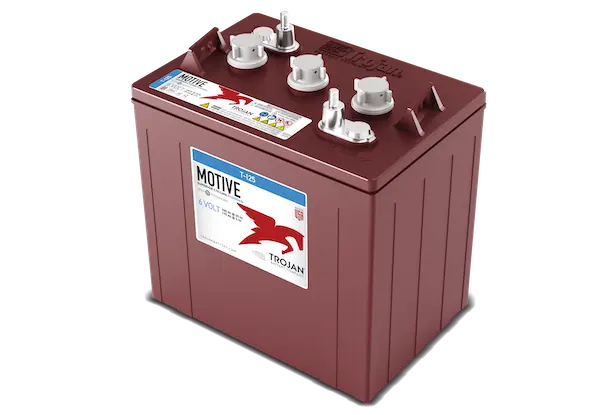
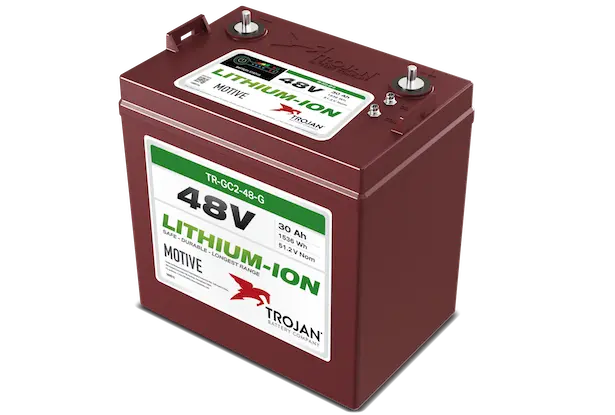
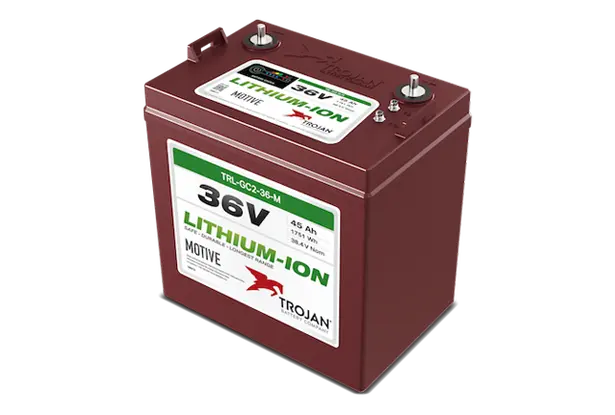
Listen up, gear heads and power junkies! When it comes to juicing up your heavy-duty beasts, you've got options that'll make your equipment purr like a well-oiled machine. Lithium-ion batteries are the new kids on the block, packing a punch with their high energy density and longer cycle life. But don't count out the tried-and-true lead-acid batteries just yet – these workhorses have been keeping the lights on for decades. For those who like to live on the edge, nickel-cadmium batteries offer exceptional performance in extreme temperatures. And if you're feeling fancy, AGM (Absorbent Glass Mat) batteries provide a spill-proof solution that'll keep your accountant happy. The best choice depends on your specific needs, but these powerhouses are the cream of the crop for keeping your heavy-duty equipment running like a dream.
Alright, battery buffs, let's cut through the noise and get down to brass tacks. Choosing the right industrial battery isn't rocket science, but it does require some serious thought. First, take a good, hard look at your application's power demands – are we talking constant drain or short bursts of energy? Next, consider the environment: Is it hotter than a jalapeño eating contest or colder than a penguin's toes? Don't forget about size and weight constraints – nobody wants a battery that's as awkward as a teenager at prom. Cycle life is crucial too; how often are you planning to charge and discharge this bad boy? And let's not forget the almighty dollar – what's your budget looking like? Balancing these factors will lead you to the battery soulmate your application's been dreaming of. Remember, the right choice can mean the difference between smooth sailing and a power catastrophe that'll have you pulling your hair out faster than a stressed-out squirrel.
Alright, battery buffs, let's cut through the noise and get down to brass tacks. Choosing the right industrial battery isn't rocket science, but it does require some serious thought. First, take a good, hard look at your application's power demands – are we talking constant drain or short bursts of energy? Next, consider the environment: Is it hotter than a jalapeño eating contest or colder than a penguin's toes? Don't forget about size and weight constraints – nobody wants a battery that's as awkward as a teenager at prom. Cycle life is crucial too; how often are you planning to charge and discharge this bad boy? And let's not forget the almighty dollar – what's your budget looking like? Balancing these factors will lead you to the battery soulmate your application's been dreaming of. Remember, the right choice can mean the difference between smooth sailing and a power catastrophe that'll have you pulling your hair out faster than a stressed-out squirrel.
Alright, battery aficionados, gather 'round for the gospel of proper battery care – it's time to turn you into maintenance maestros! First things first, cleanliness is next to godliness. Keep those terminals cleaner than a whistle, free from corrosion and gunk. Regular inspections are your best friend – catch small issues before they become big, wallet-draining problems. When it comes to charging, be the Goldilocks of the battery world – not too much, not too little, but just right. Overcharging is the fast track to a battery funeral, while undercharging is like feeding a lion tofu – it just won't cut it. For storage, think cool and dry, like a wine cellar for your power cells. Extreme temperatures are the sworn enemy of battery longevity, so aim for a climate as mild as a spring day in paradise. And here's a pro tip: if you're storing long-term, give your batteries a boost charge every few months – it's like a spa day for your power packs. Follow these rules, and your industrial batteries will be singing your praises longer than a Wagner opera.
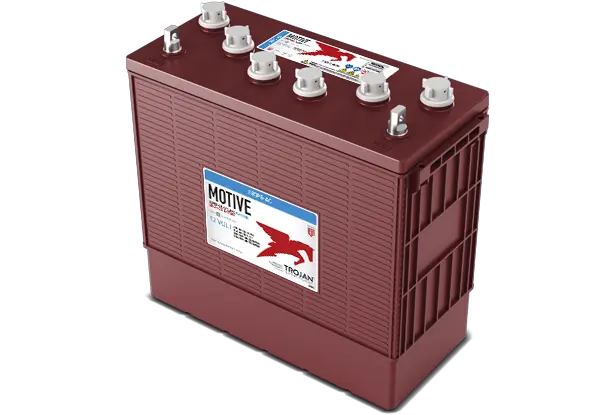
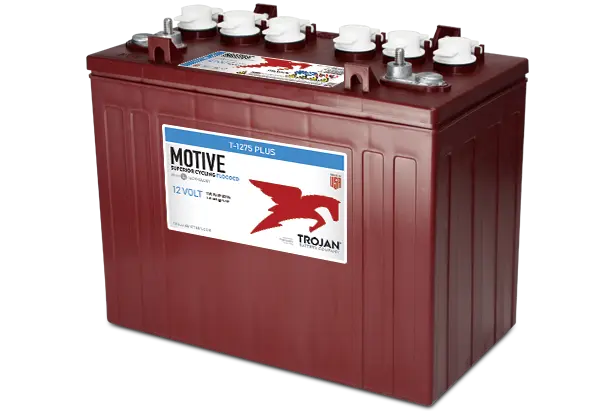
Buckle up, battery buffs – we're about to dive into the electrifying world of lithium versus lead-acid! These two heavyweights of the industrial battery arena are as different as chalk and cheese. Lithium batteries are the new kids on the block, packing more punch than a kangaroo on espresso. They're lighter than a feather (well, almost), charge faster than gossip spreads in a small town, and have a cycle life that makes the Energizer Bunny look like a slacker. On the flip side, lead-acid batteries are the grizzled veterans of the industry. They're as reliable as sunrise, cost less than a budget airline ticket, and are about as high-tech as a rotary phone – but hey, if it ain't broke, right? Lead-acid batteries are heavier than your grandma's fruitcake and charge slower than a sloth on vacation, but they're tough as nails and can handle extreme temperatures better than a polar bear in a sauna. When it comes to lifespan, lithium batteries are the tortoises to lead-acid's hares, outlasting their old-school counterparts by a country mile. So, which is better? Well, that depends on whether you're team cutting-edge or team tried-and-true. Choose wisely, power people!
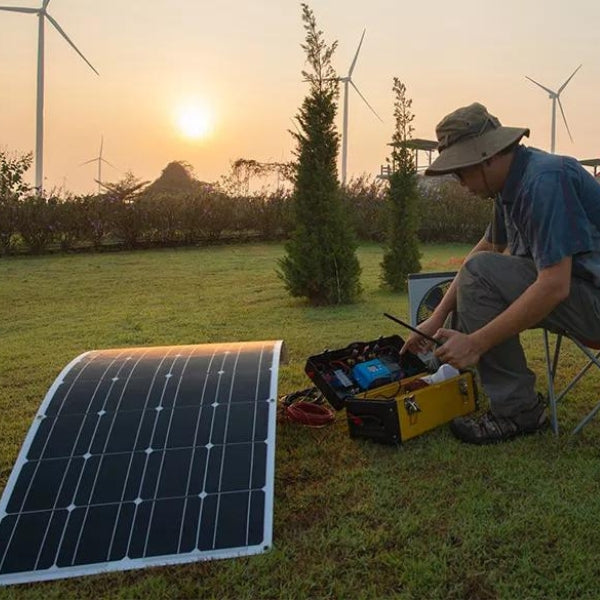
Hold onto your solar panels, eco-warriors, because industrial batteries are about to become your new best friends in the renewable energy revolution! These powerhouse cells aren't just for forklifts and backup generators anymore – they're ready to store sunshine and wind like squirrels hoarding acorns for winter. Lithium-ion batteries are leading the charge (pun absolutely intended) in this green energy storage bonanza. They're like the Mary Poppins' bag of the battery world – practically perfect in every way for storing renewable energy. But don't count out the old-school lead-acid batteries just yet. These reliable workhorses are still in the game, especially for larger-scale operations where cost is king. The real magic happens when these industrial-strength batteries team up with solar panels and wind turbines. Suddenly, you've got a clean energy cocktail that keeps the lights on long after the sun's gone down and the wind's taken a breather. It's like having a power plant in your backyard, minus the smoke stacks and radioactive waste. So, can industrial batteries be used for renewable energy storage? You bet your last recycled aluminum can they can! They're not just able – they're downright eager to join the green team and help us power our way to a cleaner, brighter future.