Hard Drive
This collection is empty
FAQ
Adding an extra hard drive to your setup isn't just about storage – it's a power play, too. These spinning data disks are like tiny energy vampires, constantly sipping juice from your system. On average, a 2.5-inch HDD draws about 2-3 watts during active use, while a 3.5-inch drive guzzles 6-9 watts. SSDs are the diet soda of storage, consuming a mere 0.6-2 watts. So, if you're running on battery, that extra drive could shave off 30 minutes to an hour of your laptop's runtime. It's not a deal-breaker, but it's definitely something to consider when you're deciding between binge-watching seasons or bringing an extra charger.
Contrary to popular belief, hard drives don't come with their own built-in lithium batteries like your smartphone. They're more like the lazy roommate who relies on the house's electricity to function. However, some external hard drives do incorporate a small lithium-ion battery to power the drive when it's unplugged. These portable powerhouses are perfect for digital nomads and data hoarders on the go. But remember, if you hear your hard drive start singing "All by Myself," it's probably time to plug it in or invest in a power bank.
Contrary to popular belief, hard drives don't come with their own built-in lithium batteries like your smartphone. They're more like the lazy roommate who relies on the house's electricity to function. However, some external hard drives do incorporate a small lithium-ion battery to power the drive when it's unplugged. These portable powerhouses are perfect for digital nomads and data hoarders on the go. But remember, if you hear your hard drive start singing "All by Myself," it's probably time to plug it in or invest in a power bank.
The lifespan of a hard drive battery is like a cat's nine lives – it varies wildly depending on usage and care. For most portable hard drives with built-in batteries, you can expect anywhere from 4 to 10 hours of continuous use on a single charge. Some high-end models boast up to 22 hours of battery life, perfect for those marathon data transfer sessions or impromptu Netflix parties in the woods. However, like all rechargeable batteries, they'll gradually lose capacity over time. After about 300-500 charge cycles, you might notice your drive's stamina isn't what it used to be. So, treat your hard drive battery like a fine wine – use it regularly, but don't abuse it, and it'll serve you well for years to come.
Finding a reliable hard drive battery is like hunting for treasure in the digital age – it's out there, but you need to know where to look. Your best bet is to start with the manufacturer of your hard drive. Companies like Western Digital, Seagate, and LaCie often offer replacement batteries for their portable drives. If that's a dead end, online marketplaces like Amazon, Newegg, or eBay can be goldmines for third-party replacements. Just be sure to check compatibility and read reviews – you don't want to end up with a battery that's as useful as a chocolate teapot. For the tech-savvy, electronics suppliers like Mouser or Digi-Key might have the exact battery you need. Remember, a reliable battery is the unsung hero of your data's survival story.
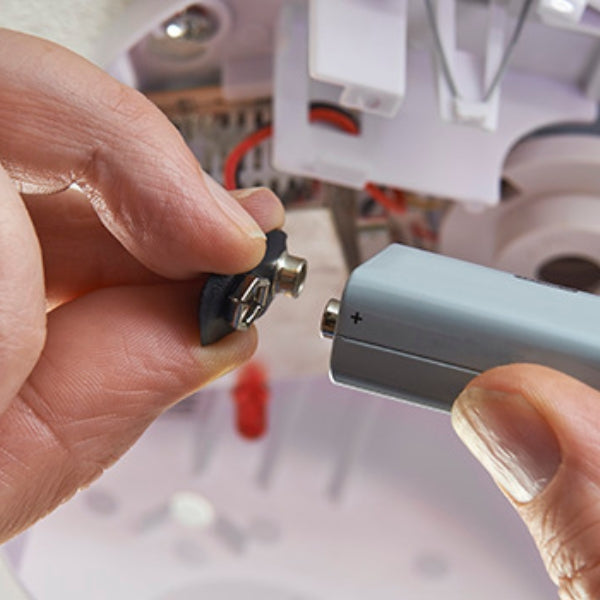
Replacing a battery in a portable hard drive is like performing surgery on a very small, very valuable patient. First, channel your inner zen master and gather your tools: a small screwdriver set, a plastic pry tool, and maybe a magnifying glass for those microscopic screws. Start by unplugging the drive and removing any rubber feet or stickers hiding screws. Gently open the case, being careful not to snap any delicate plastic clips. Locate the battery – it might look like a small, flat rectangle connected to the circuit board. Carefully disconnect it, noting how it's oriented. Pop in the new battery, making sure it's seated correctly. Then, like a jigsaw puzzle in reverse, put everything back together. If you hear any rattling when you're done, you've either succeeded brilliantly or left out something important. Either way, congratulations – you've just given your hard drive a new lease on life!