








FAQ
GPS is a power-hungry beast, constantly communicating with satellites and crunching complex calculations. It's like having a tiny astronaut in your pocket, constantly shouting, "Where am I?" to space. This constant chatter and number-crunching drains your battery faster than a vampire at a blood bank. The GPS chip, working overtime to pinpoint your location, gulps down energy like it's going out of style. Add in factors like a weak signal or frequent updates, and you've got a recipe for battery drain that would make even the Energizer Bunny break a sweat. So, next time you're wondering why your phone dies faster than your New Year's resolutions, remember: that little GPS chip is working harder than a caffeinated squirrel on a hamster wheel.
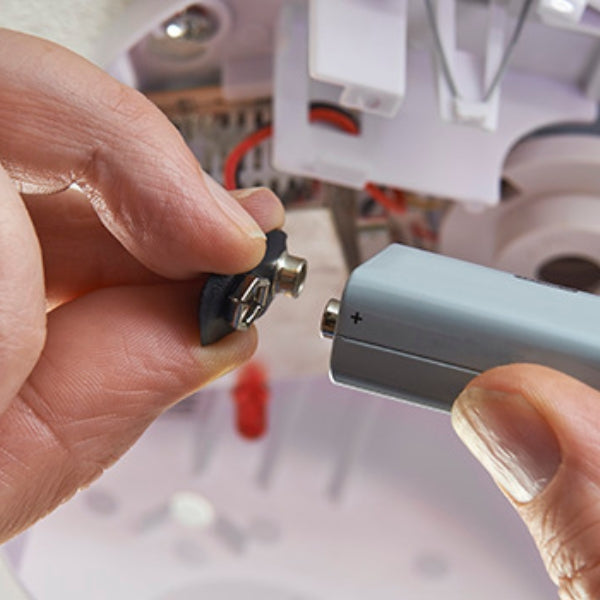
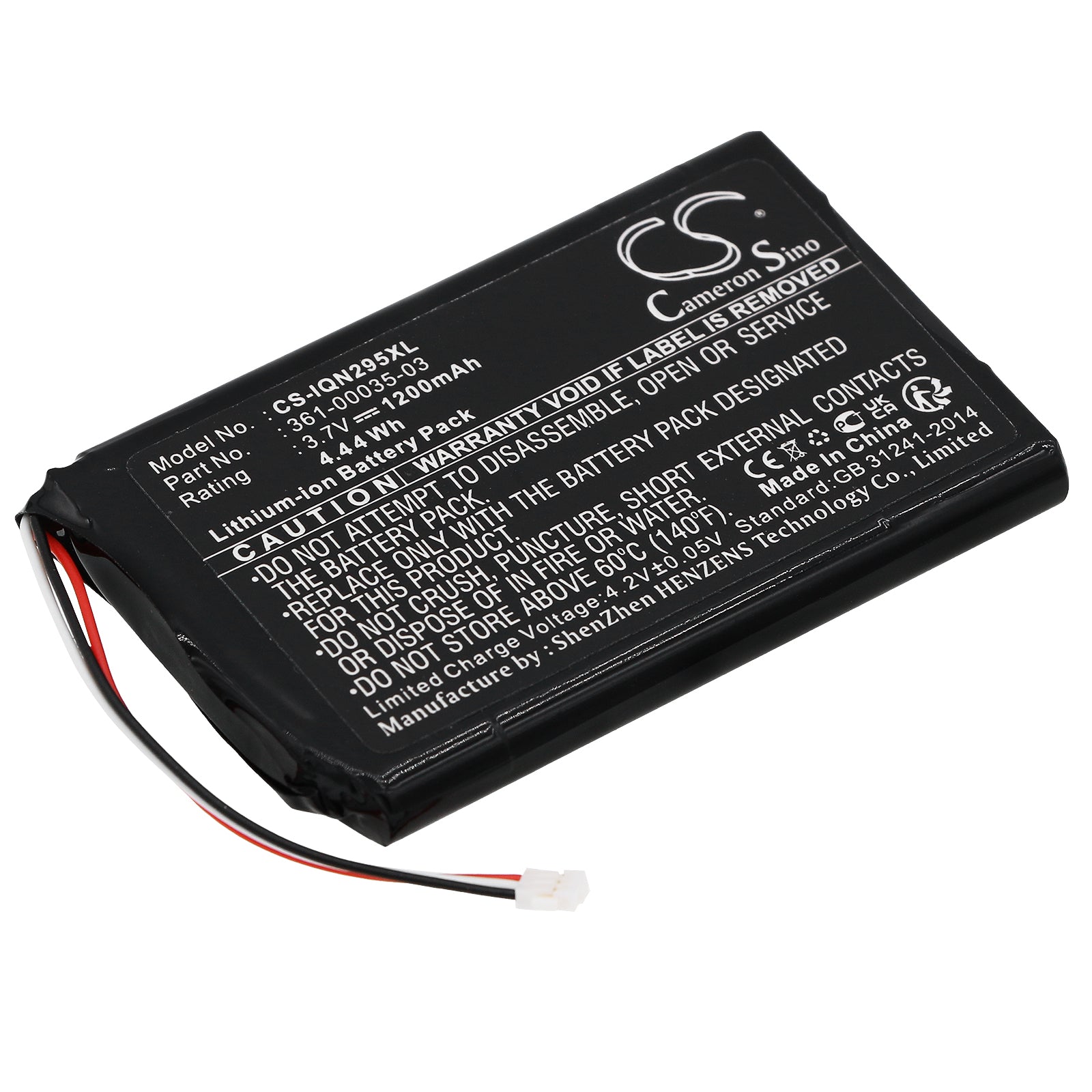
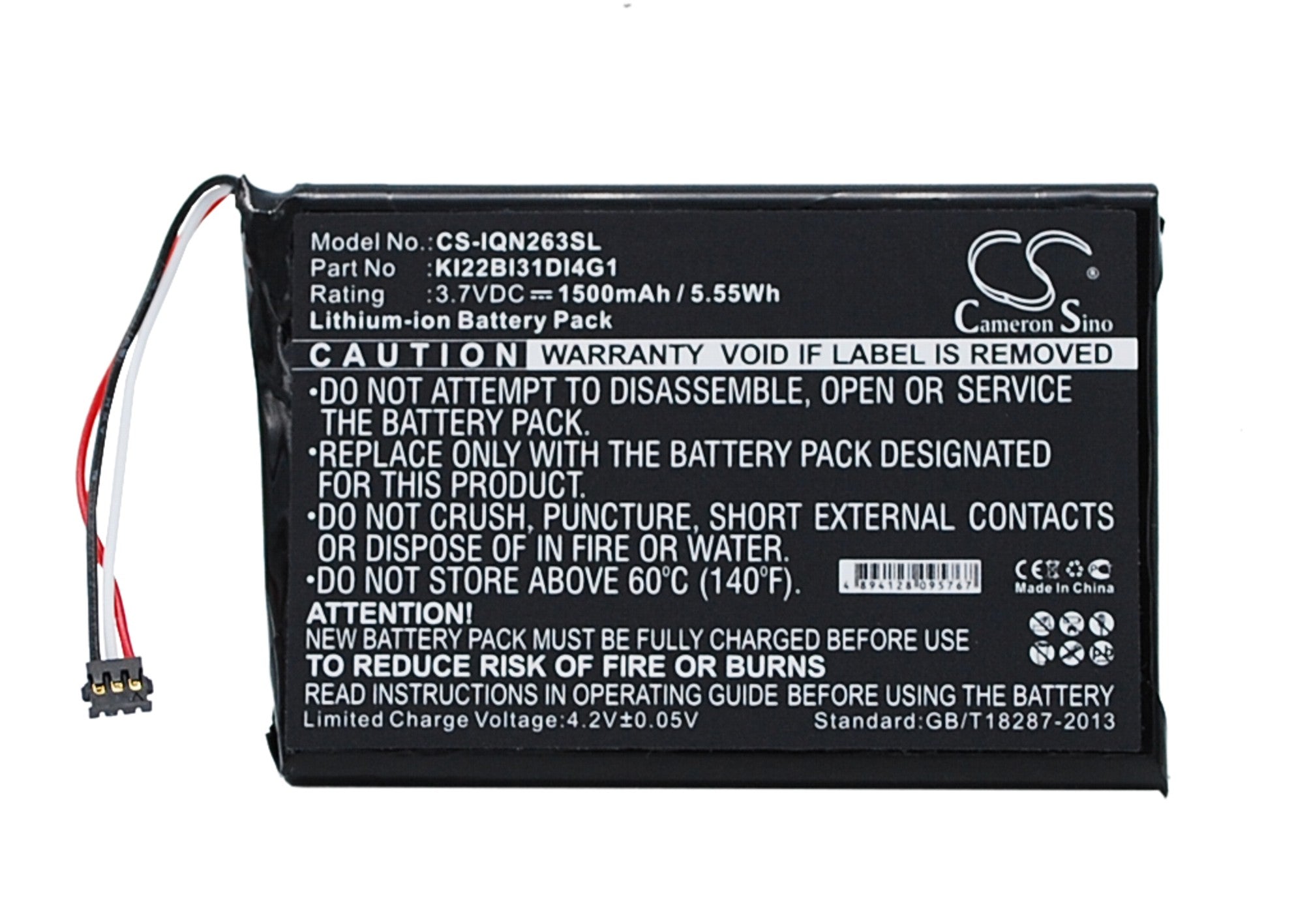
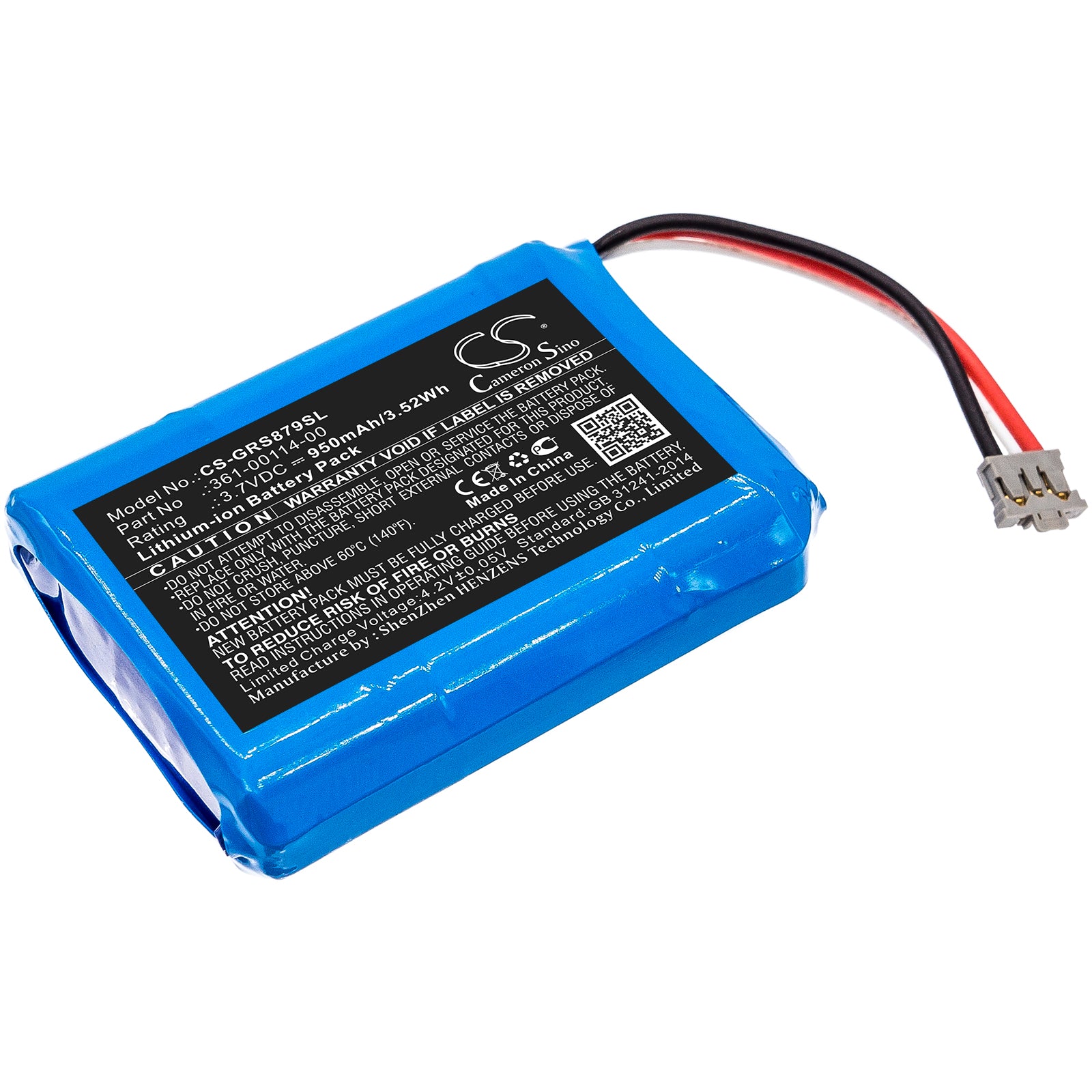
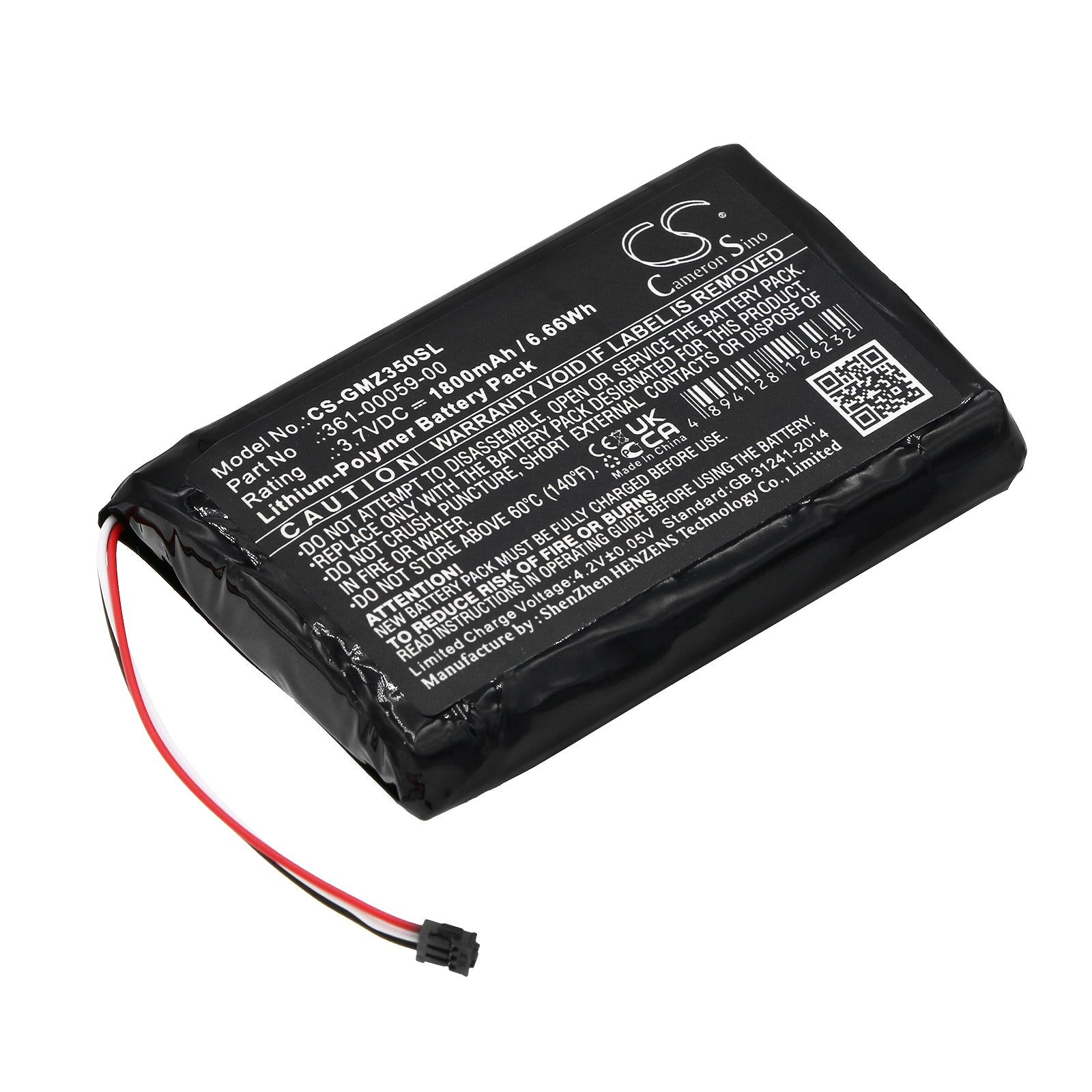
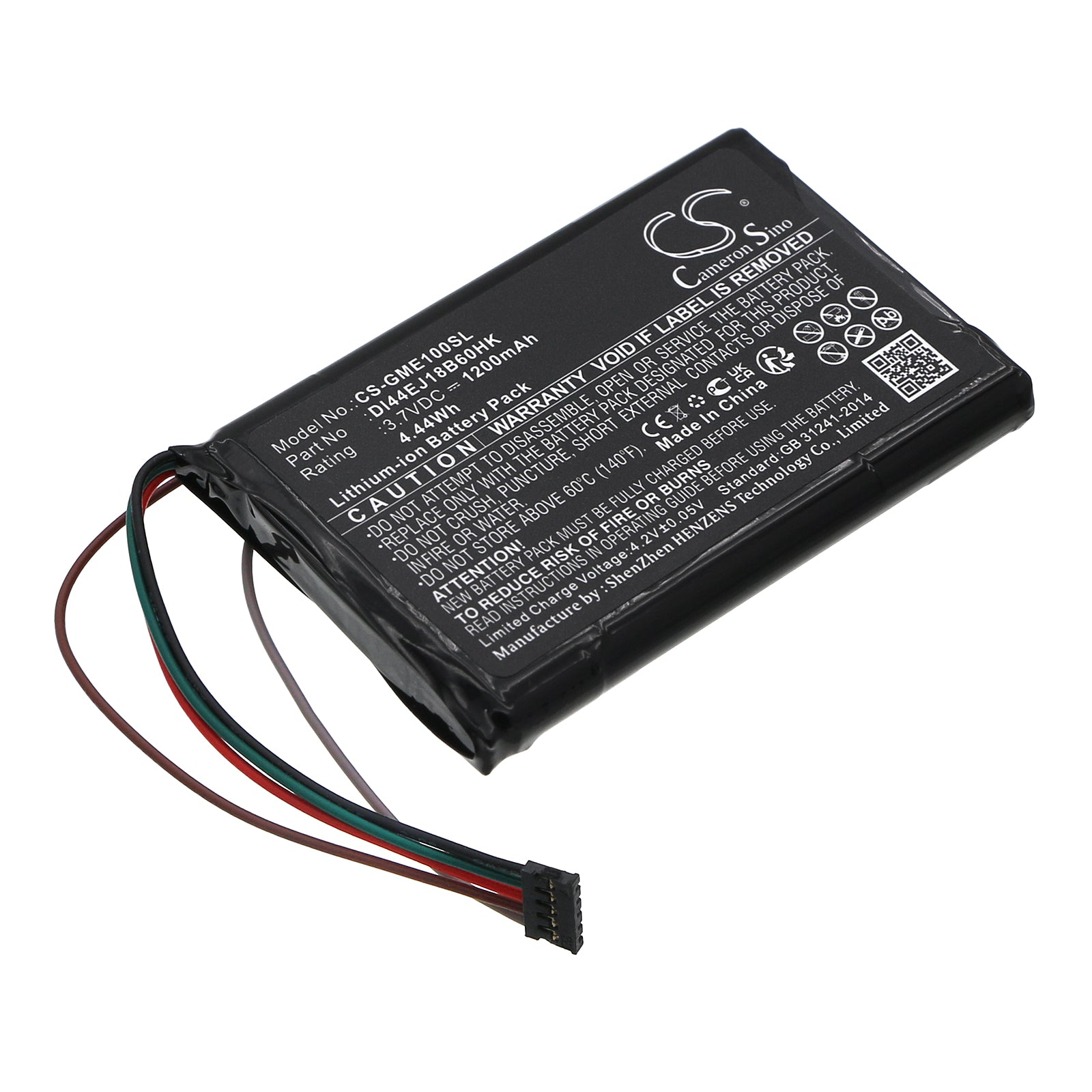
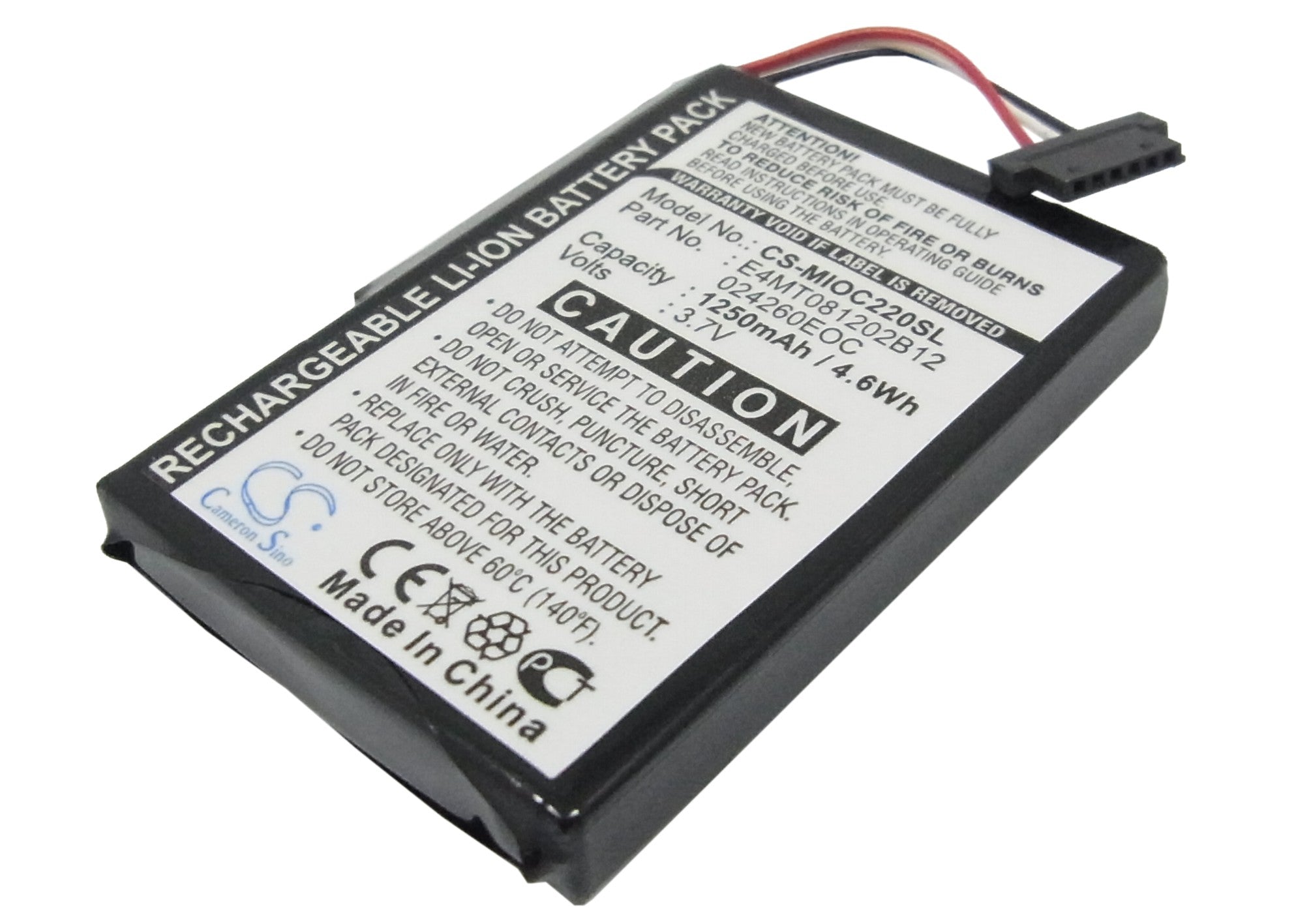
Breathing new life into your trusty Garmin GPS is easier than teaching a cat to fetch. First, channel your inner tech surgeon and grab a small screwdriver – you're about to perform a delicate operation. Locate the battery compartment, typically on the back of the device, and unscrew it like you're opening a treasure chest. Out with the old, in with the new – but make sure you're using a compatible battery, or you'll be in for a shock (literally and figuratively). Snap that bad boy in place, ensuring it's snug as a bug in a rug. Finally, close up shop, power on, and voila! Your Garmin is ready to guide you through the urban jungle once more. Remember, if you're less DIY-inclined than a fish trying to ride a bicycle, it might be worth letting a pro handle this high-stakes game of battery roulette.
GPS tracker batteries are the marathoners of the tech world, but their endurance varies wildly depending on the model and usage. Some last a few days, others can go for months – it's like comparing a hummingbird to a camel in terms of energy efficiency. Factors like frequency of location updates, signal strength, and whether the device is actively tracking or in standby mode all play a role in this battery life lottery. High-end trackers with optimized power management can last anywhere from a few weeks to several months, while budget options might conk out faster than a narcoleptic at a boring lecture. For the truly hardcore, some GPS trackers even come with solar charging capabilities, turning them into the energizer bunnies of the tracking world. So, whether you're tracking a wayward teenager or a globe-trotting package, choose your tracker wisely – unless you enjoy the thrill of frequent charging sessions.
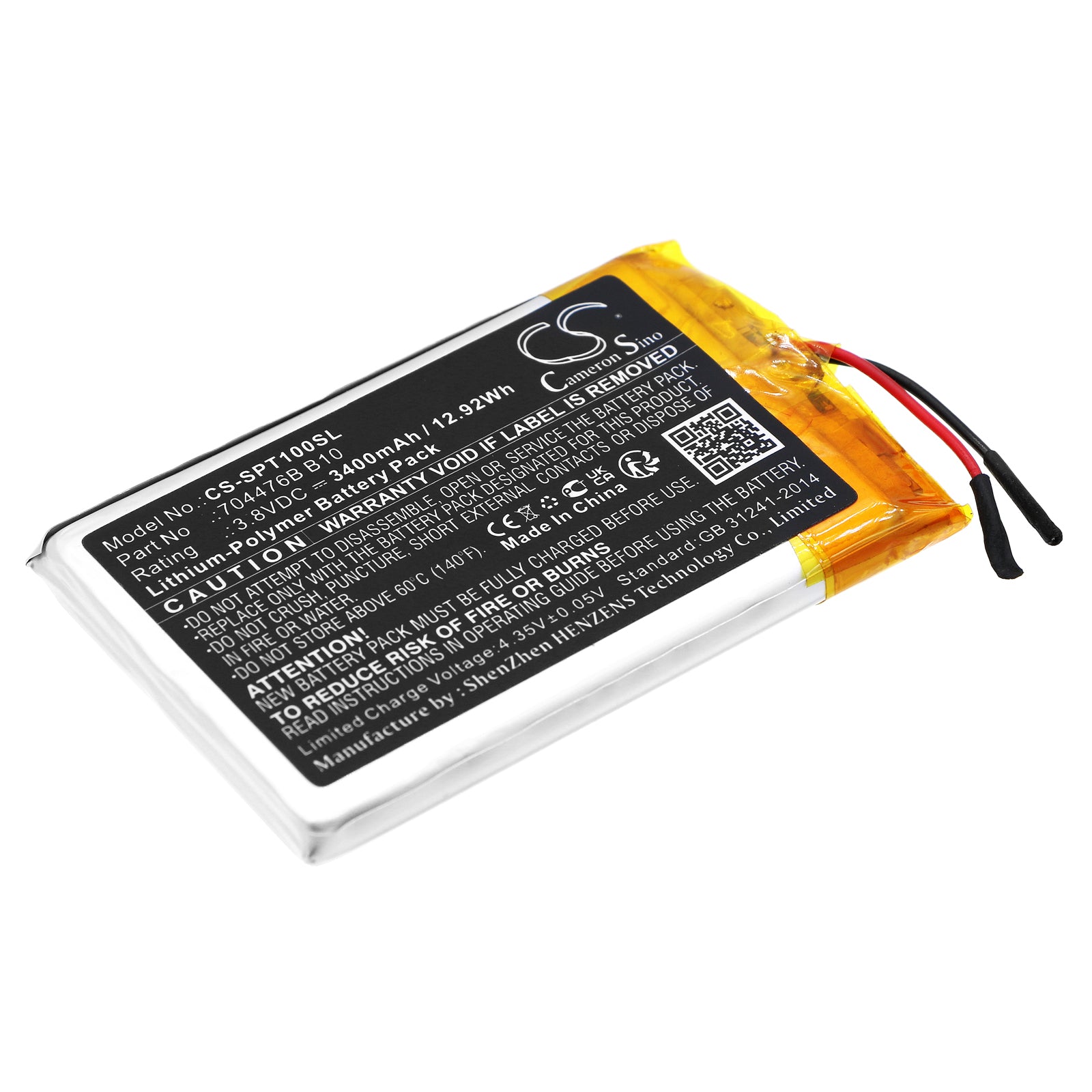
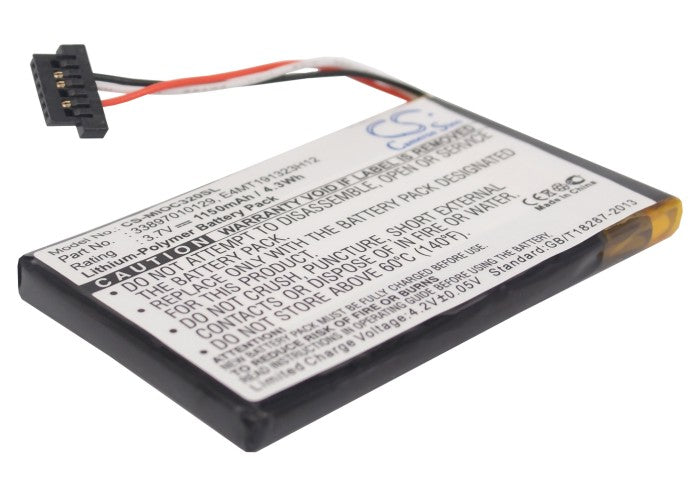
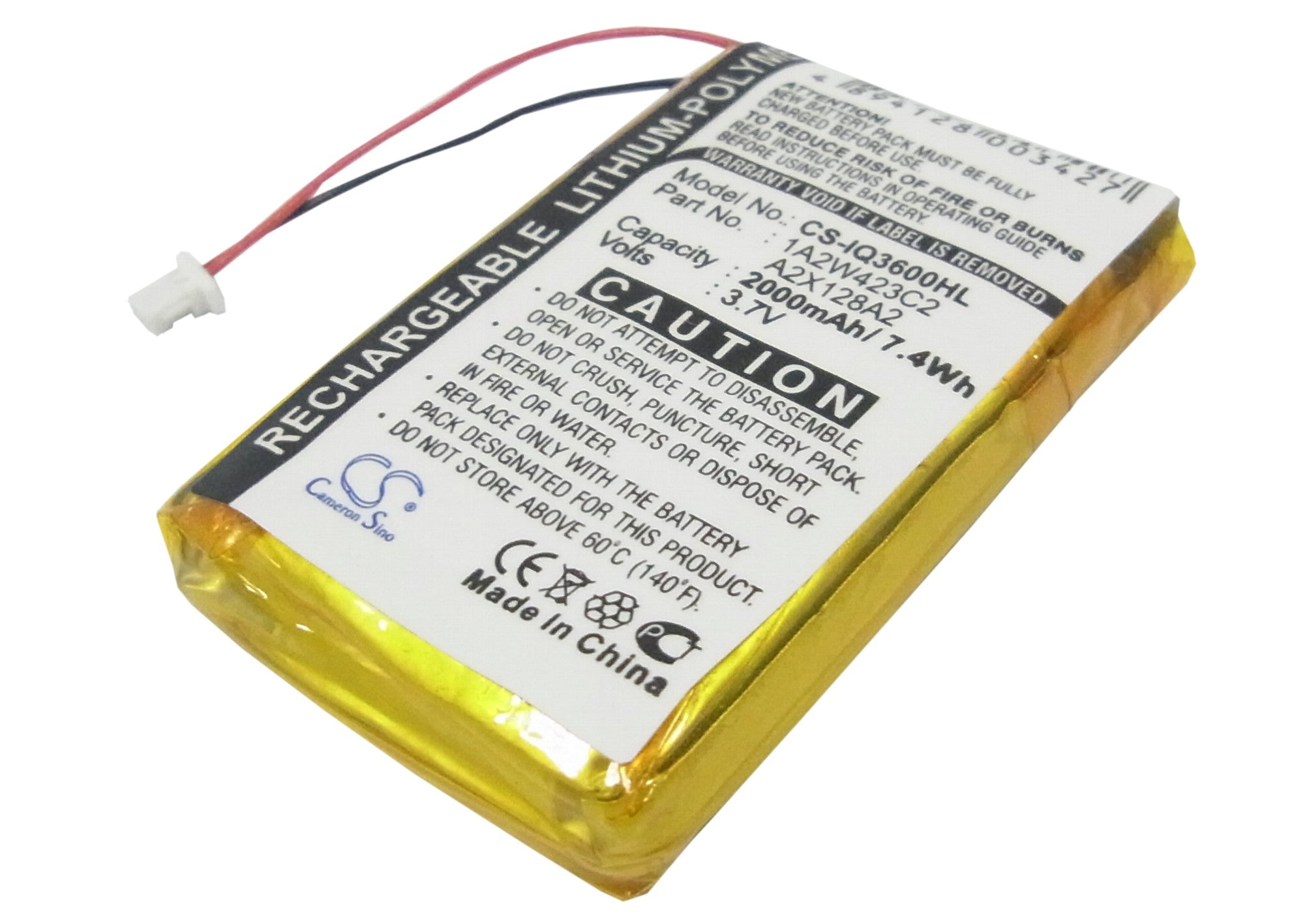
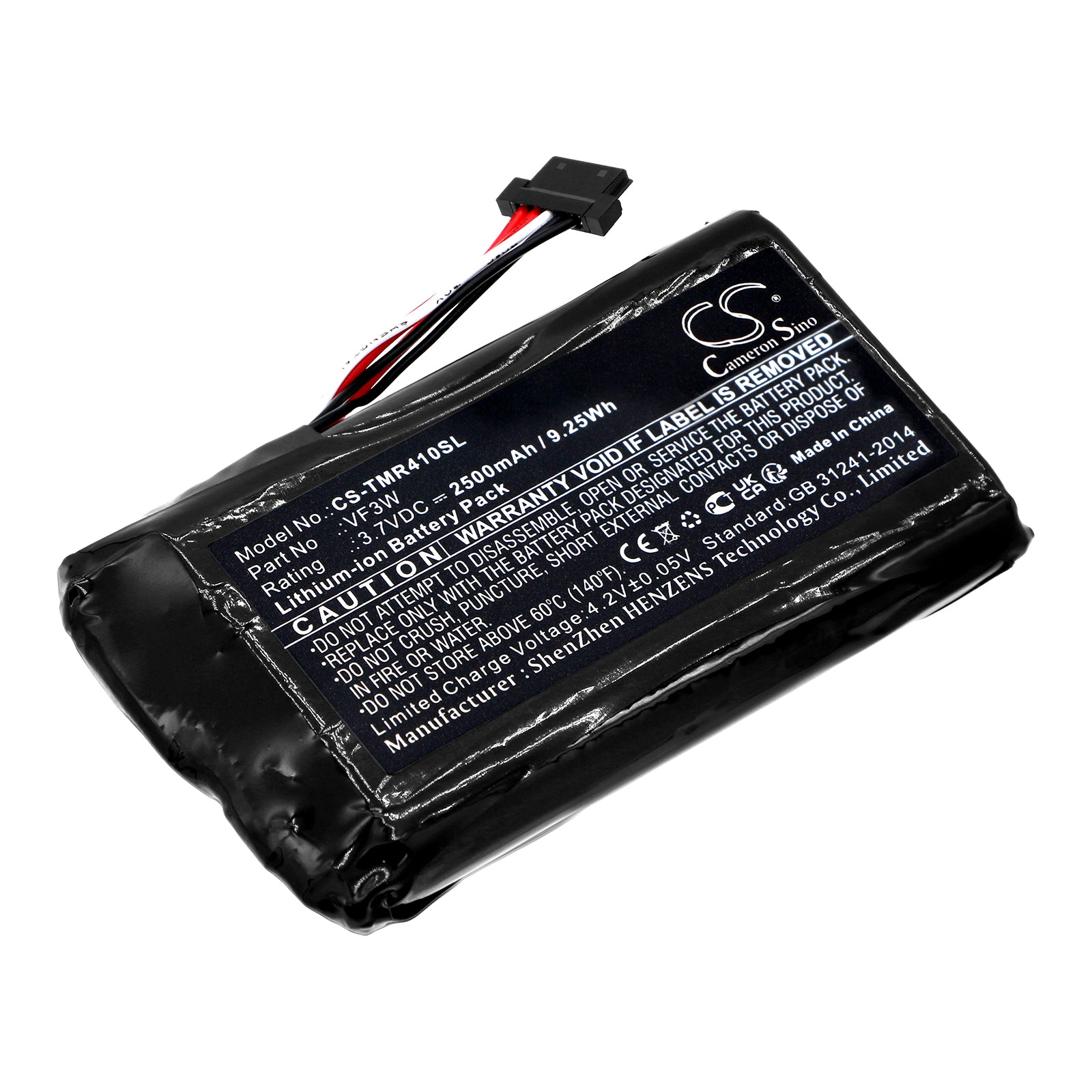
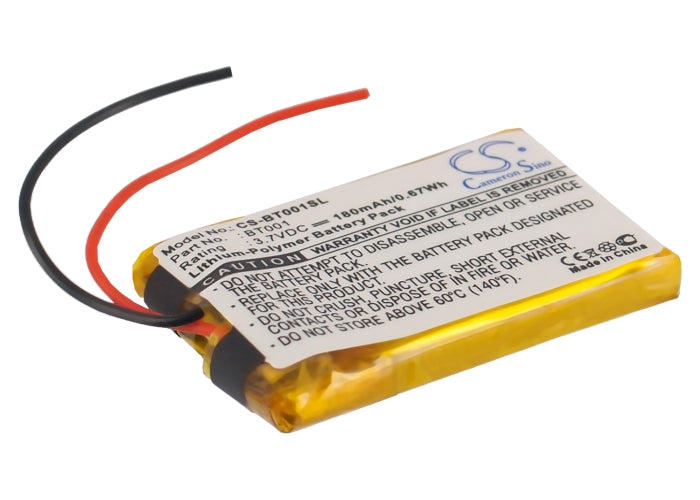
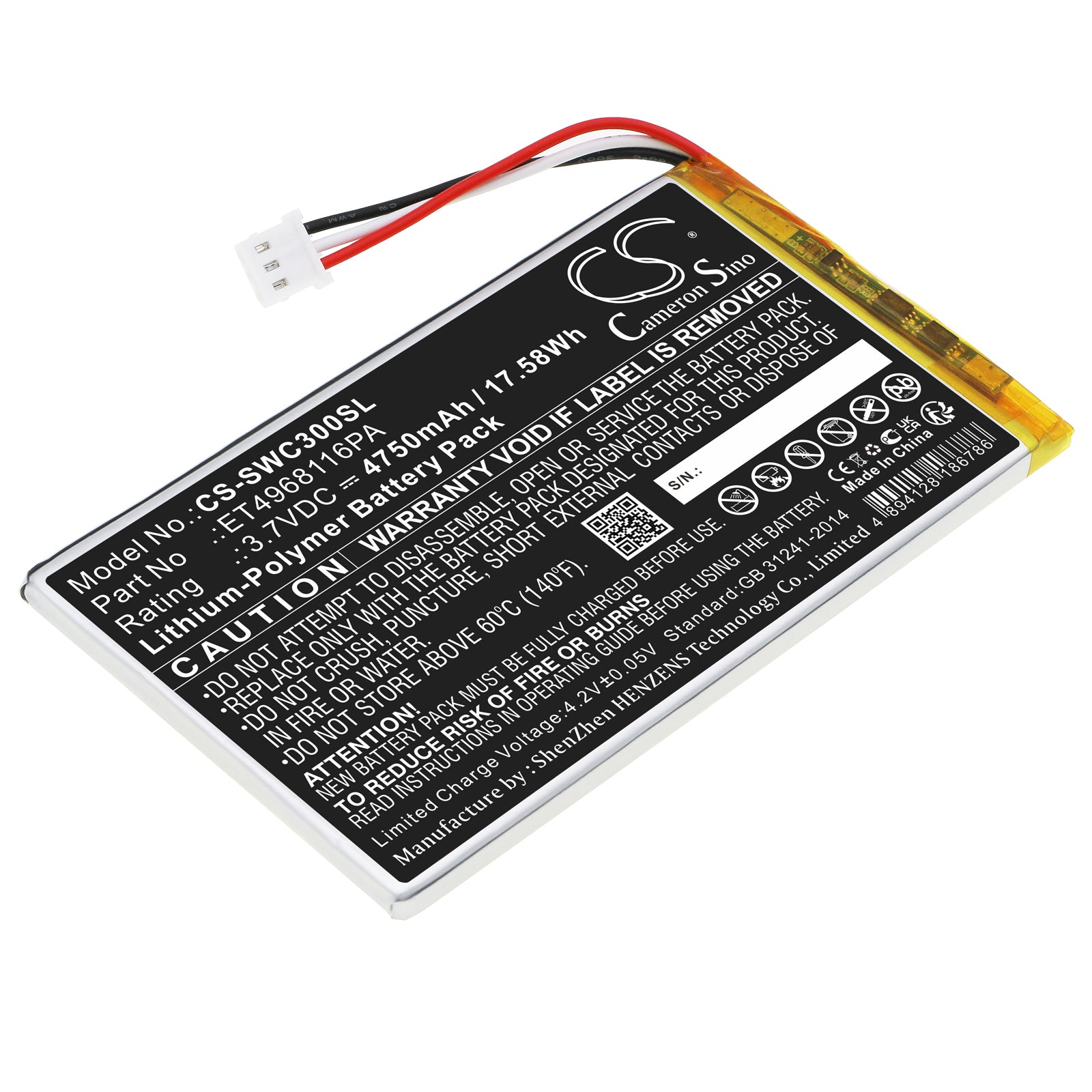
In the endurance race of GPS batteries, lithium-ion reigns supreme, outlasting its competitors like a camel in a desert marathon. These power-packed beauties can keep your device chirping for days, sometimes even weeks, depending on usage. But hold onto your hats, folks, because there's a new sheriff in town: lithium polymer batteries. These slim Jim's pack a punch, offering longer life in a svelte package that would make supermodels jealous. For the ultimate in longevity, some high-end GPS units are embracing solar-powered options, turning your device into a sun-worshipping, never-say-die navigator. Of course, battery life also depends on factors like device efficiency and usage patterns – so even the mightiest battery can be brought low by a power-hungry GPS that updates more frequently than a teenager's social media feed.
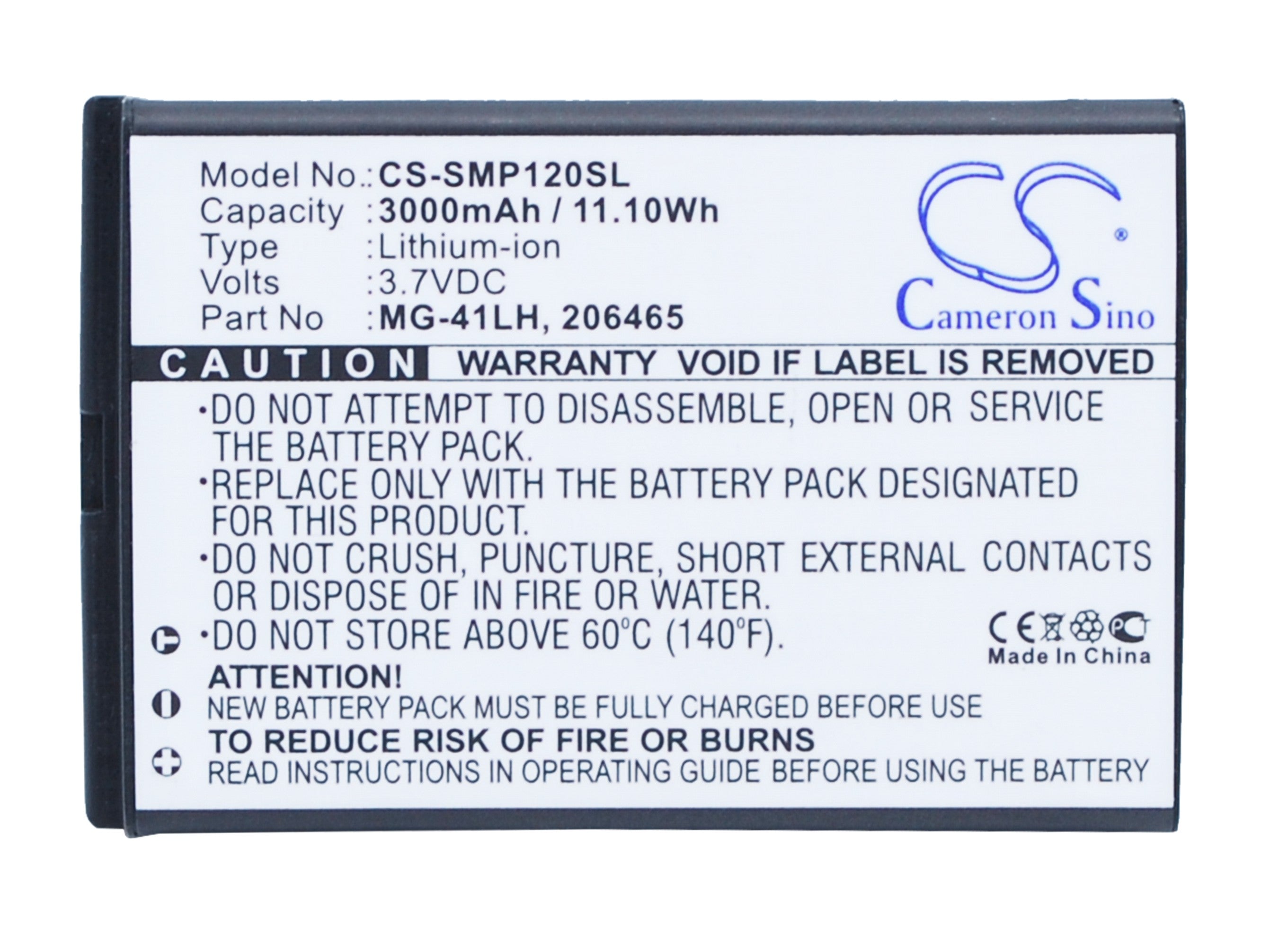
Finding a trustworthy GPS battery is like hunting for a needle in a haystack – if that haystack was the size of the internet. Your best bet? Start with the manufacturer's official website or authorized retailers. It's like going straight to the source for your power needs, minus the risk of getting a dud that'll die faster than a mayfly. For those feeling adventurous, reputable online marketplaces like Amazon or specialty electronics stores can be goldmines, but beware of deals too good to be true – they usually are. Local electronics shops might surprise you with their selection, and you get the added bonus of instant gratification. Just remember, when it comes to batteries, cheaper isn't always better. Investing in a quality battery is like buying good shoes – it'll save you pain in the long run. And always, always check compatibility – nothing's worse than getting a battery that fits your GPS like a square peg in a round hole.
Replacing your GPS battery is like performing minor surgery on your faithful digital companion. First, gather your tools: a small screwdriver, patience, and maybe a magnifying glass if you're as nearsighted as a mole. Consult your device's manual – it's not light reading, but it'll save you from turning your GPS into an expensive paperweight. Power down your device (unless you enjoy impromptu fireworks displays), and locate the battery compartment. It's usually on the back, hiding like a shy teenager at a dance. Gently pry it open – think less Hulk, more precision watchmaker. Out with the old battery, in with the new, making sure it's oriented correctly. You're not playing battery roulette here. Close everything up, power on, and cross your fingers. If all goes well, your GPS should spring back to life, ready to guide you through the concrete jungle once more. Remember, if this sounds more daunting than decoding the Da Vinci Code, there's no shame in seeking professional help. Better safe than sorry – or in this case, better guided than lost."