Garage Door Opener
This collection is empty
FAQ
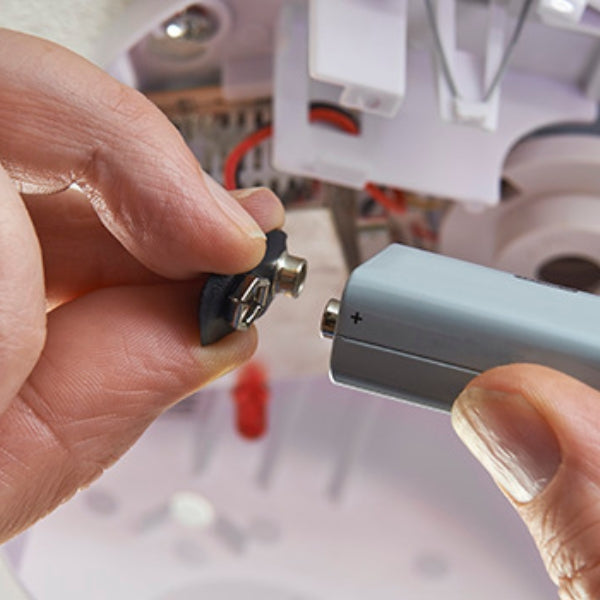
Most modern garage door openers do indeed have batteries, but they're not the primary power source. These batteries serve as a backup, swooping in like a caffeinated superhero when the electricity decides to take an unexpected vacation. So, when the lights go out and you're left fumbling in the dark, your garage door opener's battery ensures you're not trapped in automotive purgatory. It's like having a tiny, rectangular guardian angel tucked away in your opener, ready to save the day when the power grid lets you down.
Garage door openers aren't picky eaters when it comes to batteries. They typically munch on 12-volt batteries, which are about as common as bad decisions at a buffet. These aren't your garden-variety AA batteries that power your TV remote; we're talking about beefier units that pack a punch. Some models might use 9-volt batteries, but they're the hipsters of the garage door opener world – not as common, but they insist they're cooler. The key is to check your opener's manual before you go battery shopping, or you might end up with the garage door equivalent of bringing a knife to a gunfight.
Size matters, especially when it comes to garage door opener batteries. Most openers fancy a 12-volt battery that's roughly the size of a small brick – perfect for those who like their power sources substantial and their garage doors operational. However, some models play it cool with smaller 9-volt batteries, which are more like the fun-size candy bars of the battery world. Your best bet? Crack open that user manual gathering dust in your junk drawer. It'll spill the beans on what size battery your particular opener craves. Remember, trying to stuff the wrong size battery into your opener is like trying to fit into your high school jeans – it's not going to end well, and someone might get hurt.
Finding a garage door opener battery is about as challenging as locating a coffee shop in Seattle – they're everywhere if you know where to look. Your local hardware store is a good starting point; it's like a candy store for DIY enthusiasts, minus the sugar rush. Big box retailers like Home Depot or Lowe's are also solid bets, offering a smorgasbord of battery options. For the pajama-clad shoppers among us, online marketplaces like Amazon or eBay are treasure troves of garage door opener batteries. And let's not forget the manufacturer's website – they're like that friend who always has exactly what you need. Just remember to double-check the compatibility before you buy, or you might end up with a very expensive paperweight.
Choosing the best garage door opener is like picking a life partner – it's a long-term commitment, and you want to get it right. First, consider your garage door's weight and size. A heavyweight champion door needs a brawny opener, while a svelte, modern number can get by with less muscle. Next, ponder the drive type: chain, belt, or screw. Chain drives are the reliable workhorses, belt drives are the smooth operators, and screw drives are the low-maintenance dream boats. Don't forget about smart features – some openers are so clever they might outsmart you. Brands like Chamberlain, LiftMaster, and Genie are the popular kids in the garage door opener world, but don't discount the underdogs. Read reviews, compare prices, and for heaven's sake, measure your garage. The last thing you want is an opener that doesn't fit – it's like buying pants without trying them on, only more expensive and significantly less funny.
Programming a garage door opener is like teaching a dog new tricks – it seems daunting at first, but with patience and the right treats (in this case, button presses), you'll nail it. Start by locating the learn button on your opener unit – it's usually hiding under the light cover, playing hard to get. Press it, and the opener will enter learning mode, like a student cracking open a textbook. Now, grab your remote and press the button you want to use. If all goes well, the opener's lights will blink or you'll hear a click, signaling success. If not, you might need to do a little dance and try again. For rolling code systems, you'll need to sync the remote to the opener's frequency – it's like finding the right radio station, but with less static and more lifting power. Remember, each opener model has its quirks, so consulting the manual isn't admitting defeat – it's strategic planning. And if all else fails, there's always the nuclear option: calling a professional. Sometimes, it's worth paying for peace of mind and unbroken fingernails.