FAQ
When it comes to powering your sweat-tracking, step-counting wrist companion, not all batteries are created equal. The crème de la crème of fitness tracker batteries are typically lithium-ion or lithium-polymer. These power-packed dynamos offer a stellar combination of longevity, quick charging, and compact size – perfect for keeping your device slim and your workouts uninterrupted. But here's the kicker: the "best" battery also depends on your specific tracker model and usage habits. Some fitness enthusiasts swear by devices with replaceable coin cell batteries for their marathon-like lifespan, while others prefer the convenience of rechargeable options. Ultimately, the best battery is the one that keeps you moving without constantly hunting for an outlet.
Ah, the million-step question! The lifespan of your fitness tracker's battery is about as predictable as your New Year's resolution to hit the gym every day. Generally, you're looking at anywhere from 5 to 7 days for most rechargeable models, but some overachievers can stretch it to two weeks or more. However, like that last mile of your morning jog, battery life can vary wildly depending on usage. Are you a notification junkie with the brightness cranked to 11? Expect a shorter lifespan. More of a casual step-counter? You might squeeze out a few extra days. And let's not forget those coin cell battery warriors that can soldier on for months at a time. The key is finding the sweet spot between functionality and longevity that works for your lifestyle – because nothing kills workout motivation faster than a dead tracker.
Ah, the million-step question! The lifespan of your fitness tracker's battery is about as predictable as your New Year's resolution to hit the gym every day. Generally, you're looking at anywhere from 5 to 7 days for most rechargeable models, but some overachievers can stretch it to two weeks or more. However, like that last mile of your morning jog, battery life can vary wildly depending on usage. Are you a notification junkie with the brightness cranked to 11? Expect a shorter lifespan. More of a casual step-counter? You might squeeze out a few extra days. And let's not forget those coin cell battery warriors that can soldier on for months at a time. The key is finding the sweet spot between functionality and longevity that works for your lifestyle – because nothing kills workout motivation faster than a dead tracker.
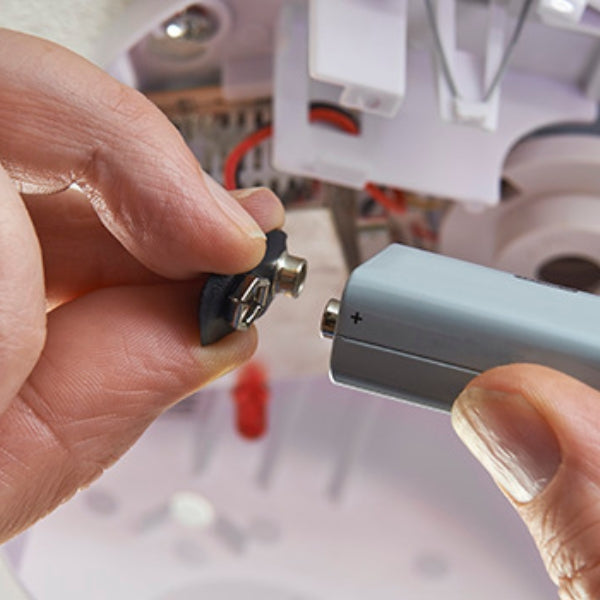
Ready to perform surgery on your wrist-bound fitness companion? Replacing your tracker's battery can be as simple as popping open a snack bar or as complex as diffusing a bomb – it all depends on your device. For trackers with replaceable batteries, start by locating the battery compartment (usually on the back) and gently prying it open with a small screwdriver or coin. Out with the old, in with the new, and voila! You're back in business. However, if your tracker has a built-in rechargeable battery, you might want to think twice before channeling your inner MacGyver. These devices often require specialized tools and know-how to crack open without causing damage. In this case, it's best to consult the manufacturer's guide or seek professional help. Remember, a botched battery replacement can turn your fitness tracker into a very expensive paperweight, so when in doubt, leave it to the experts.
You bet your sweaty wristband there are! In fact, rechargeable batteries are the unsung heroes of the fitness tracking world, keeping your device juiced up and ready to count every step, leap, and burpee. Most modern fitness trackers come with built-in rechargeable lithium-ion or lithium-polymer batteries that can be easily powered up via USB or a proprietary charging dock. These eco-friendly powerhouses not only save you from the hassle of constantly replacing batteries but also contribute to reducing electronic waste. However, if you're rocking an older model with a replaceable battery, fear not! Some clever companies have developed rechargeable versions of coin cell batteries that can be used in certain fitness trackers. Just be sure to check compatibility before making the switch – you don't want your device throwing a tantrum because it got the wrong type of juice.
Ah, the mysterious case of the dwindling fitness tracker battery – a puzzle more complex than deciphering your gym's protein shake menu. Numerous factors can drain your device's power faster than you can say "one more rep." First up: display brightness. Cranking it to supernova levels might help you read your stats in broad daylight, but it's a surefire way to send your battery life plummeting. Next, consider your notification habits. If your wrist buzzes more often than a bee in a flower shop, you're burning through power at an alarming rate. GPS and heart rate monitoring are also notorious battery vampires, especially when used continuously. And let's not forget about the silent killers: background apps and outdated software. Regular sync intervals, extreme temperatures, and even the age of your device can all play a role in how quickly your tracker goes from full charge to fitness paperweight. The key to extending battery life? Find the right balance between functionality and power conservation – your future self (and fully charged tracker) will thank you.