Film Camera
This collection is empty
FAQ
In the world of analog photography, not all film cameras are created equal when it comes to power requirements. While some classic mechanical cameras can function entirely without batteries, many modern film cameras do indeed need batteries to operate. These power-hungry snappers rely on batteries for various functions, from light metering to automatic film advance and rewind. So, if you're dusting off that old SLR or rangefinder, it's worth checking if it needs a battery to capture those nostalgic moments.
The lifespan of film camera batteries is a bit like trying to predict the weather – it depends on a multitude of factors. Generally, you can expect a decent battery to keep your camera clicking for several months to a year, depending on usage. Heavy shooters might find themselves swapping batteries more frequently, while occasional photographers could squeeze years out of a single cell. Factors like temperature, storage conditions, and the specific demands of your camera model all play a role in battery longevity. It's always a good idea to keep a spare on hand, just in case your camera decides to take an unexpected power nap.
The duration of a film camera battery's life is a dance between usage and time. With moderate use, you might find your battery lasting anywhere from 6 months to 2 years. However, if you're constantly out capturing the world, you might need to replace it more frequently. Some cameras are more power-efficient than others, sipping battery juice like a refined connoisseur, while others guzzle it down like it's going out of style. Keeping your camera in a cool, dry place when not in use can help extend battery life, as can removing the battery during long periods of storage.
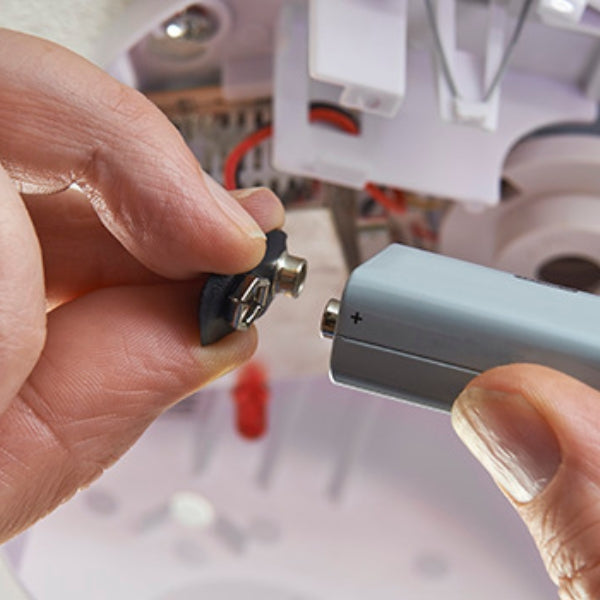
Replacing a film camera battery is usually a straightforward affair, though the exact process can vary depending on your camera model. Typically, you'll find the battery compartment on the bottom or side of the camera. Look for a small latch or screw that secures the compartment door. Once open, carefully remove the old battery, noting its orientation. Insert the new battery in the same position, ensuring it's snug and secure. Close the compartment, and voila! Your camera should be ready to capture more memories. Just remember, some cameras might need a quick settings check after a battery change, so consult your manual if things seem a bit off.
When it comes to film camera batteries, the answer is a mixed bag. Many older film cameras use disposable batteries, typically button cells or small alkaline batteries. However, some more modern film cameras, particularly those from the late 90s and early 2000s, may use rechargeable lithium-ion batteries similar to those found in digital cameras. If your camera does use rechargeable batteries, it's a win for both your wallet and the environment. Just be sure to use the correct charger and follow proper charging practices to keep your battery in top shape.
Spotting a dying battery in your film camera can be a bit like detective work. Look out for telltale signs such as sluggish operation, where your camera seems to be moving in slow motion. You might notice the light meter behaving erratically or not working at all. Some cameras have a low battery indicator, which might start flashing or display a warning message. If your camera's auto-wind or auto-focus features start acting up, that's another red flag. In manual cameras, a weak battery might manifest as inconsistent shutter speeds. When in doubt, it's always better to swap in a fresh battery rather than risk missing that perfect shot because your camera decided to take an impromptu nap.