

FAQ
Listen up, folks. When it comes to keeping your smoke detectors chirping and your gadgets humming, not all 9V alkaline batteries are created equal. The cream of the crop? Energizer Ultimate Lithium, Duracell Optimum, and Rayovac Fusion. These bad boys pack a punch with longer shelf life, higher capacity, and more stable voltage output. For smoke detectors, go for Energizer Max or Duracell Coppertop – they're reliable workhorses that won't leave you in the lurch. And for those fancy electronics? Panasonic Industrial or AmazonBasics High-Performance will do the trick without breaking the bank. Remember, investing in quality batteries is like buying good shoes – it pays off in the long run.
Alright, gather 'round for a crash course in 9V battery longevity. It's not a one-size-fits-all scenario, folks. In a smoke detector, these little powerhouses can keep on truckin' for up to a year. But don't get too comfy – always check and replace annually for safety's sake. Now, for those nostalgic Walkman lovers, you're looking at about 20-30 hours of continuous play. Guitar effects pedals? You might squeeze out 8-12 hours of sweet, sweet distortion. And for those high-drain devices like portable fans or LED lights? Brace yourself for a mere 4-6 hours of juice. The moral of the story? Know thy device, choose thy battery wisely, and always keep spares on hand. Because nothing kills a jam session faster than a dead 9V.
Listen up, eco-warriors and responsible citizens alike! Tossing 9V alkaline batteries in the trash is a no-go. These little power packs might seem harmless, but they're packing some serious environmental punch. First things first, tape those terminals. It's like putting a muzzle on a tiny bomb – safety first, people! Now, hunt down a battery recycling center near you. Many electronics stores, office supply chains, and even some grocery stores have collection bins. Can't find one? Hit up your local waste management facility or check out Earth911.com for recycling options. And for the love of all that's green, don't even think about incinerating them. That's a one-way ticket to toxic fume city. Remember, proper disposal isn't just good karma – it's keeping nasty chemicals out of our soil and water. So be a battery boss and recycle those 9Vs like a pro!
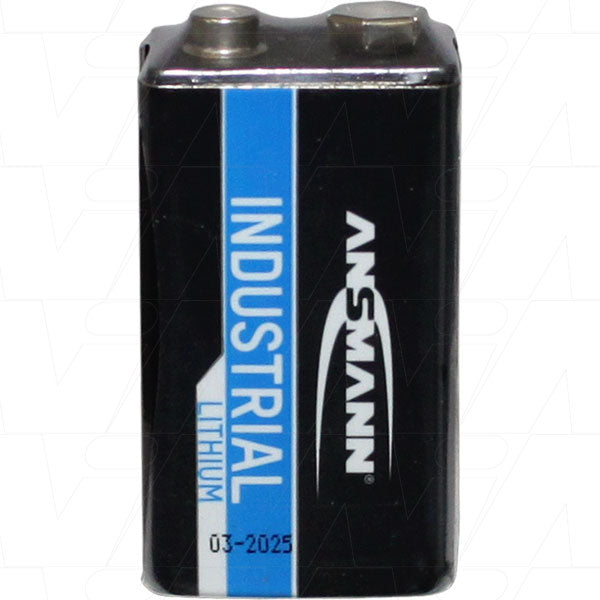
Hold your horses, battery swappers! While 9V lithium and alkaline batteries might look like twins, they're more like distant cousins. Sure, they've got the same voltage and can fit in the same devices, but that's where the family resemblance ends. Lithium batteries are the overachievers – lighter, longer-lasting, and better in extreme temperatures. But they come with a hefty price tag and can be overkill for low-drain devices. Alkaline batteries are your reliable, everyday Joes – cheaper and perfect for most applications. Here's the kicker: some devices are picky eaters. High-drain electronics might throw a fit with alkaline, while others might not play nice with lithium's higher initial voltage. So, before you start mixing and matching, check your device's manual or risk a tech tantrum. And remember, once you go lithium, stick with it – mixing battery types is like oil and water, it just doesn't work.
Alright, time for some real talk about 9V alkaline battery lifespan. These pocket-sized powerhouses aren't immortal, folks. In ideal conditions – we're talking room temperature, low humidity, and minimal cosmic rays (kidding on that last one) – a high-quality 9V alkaline can last up to 5 years on the shelf. But let's get real, who's leaving batteries untouched for that long? In actual use, it's a whole different ballgame. Low-drain devices like smoke detectors? You're looking at about a year of faithful service. Medium-drain gadgets like portable radios might give you 20-30 hours of continuous use. And those power-hungry devices? Brace yourself for a measly 4-6 hours. But here's the kicker – factors like temperature, usage patterns, and device quality can throw these numbers out the window. So, keep an eye on your devices, listen for that telltale weak battery chirp, and always have backups on hand. Because nothing ruins a day faster than a dead 9V when you need it most.
Alright, battery buffs, let's dive into the world of milliamp-hours (mAh) for 9V alkaline batteries. Brace yourselves, because this isn't a straightforward answer. Unlike their AA or AAA cousins, 9V batteries don't usually advertise their mAh on the packaging. Why? Because it's complicated, folks. These square little powerhouses typically range from 400 to 600 mAh. But here's the twist – some manufacturers might claim up to 1200 mAh! Are they fibbing? Not necessarily. It all comes down to how the capacity is measured and under what conditions. Low drain? Higher mAh. High drain? Lower mAh. It's like comparing apples to oranges to pears. So, instead of getting hung up on mAh, focus on reputable brands and match your battery to your device's needs. Because at the end of the day, it's not about the numbers – it's about getting the job done without your smoke detector throwing a hissy fit at 3 AM.