

FAQ
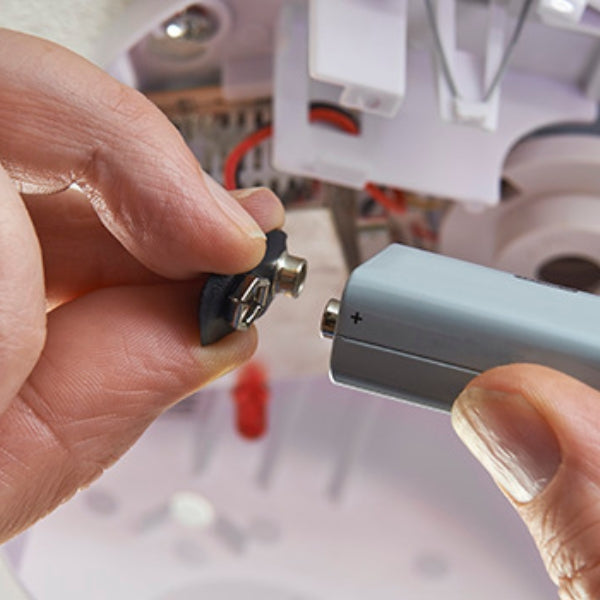
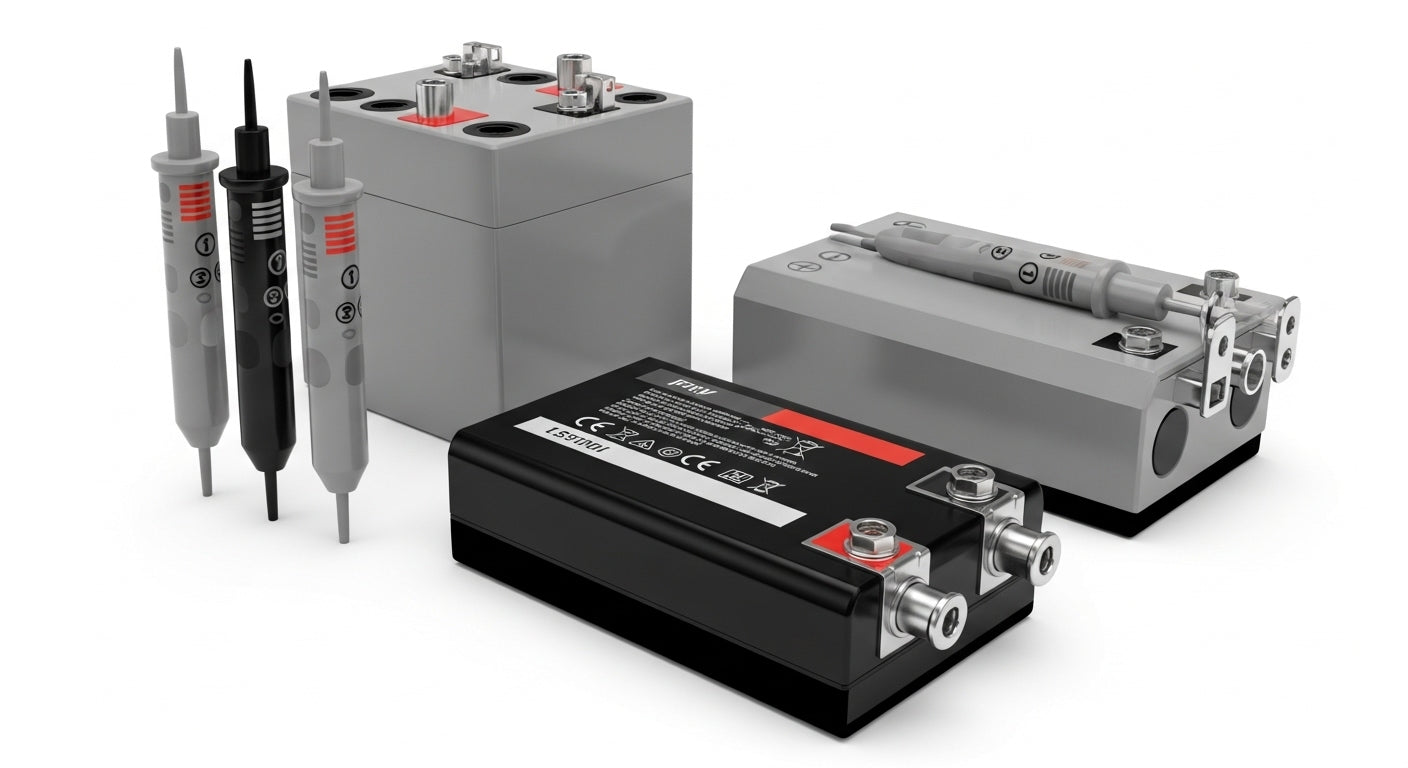
When it comes to powering your trusty multimeter or oscilloscope, not all batteries are created equal. The crème de la crème of test equipment batteries are typically alkaline or lithium varieties. These power-packed cells offer a stellar combination of longevity, reliability, and consistent voltage output – crucial factors when you're trying to coax accurate readings from your gear. Alkaline batteries, like the ubiquitous AA and 9V, are the go-to workhorses for many technicians. They're affordable, widely available, and offer a decent lifespan. But if you're looking to squeeze every last drop of performance from your equipment, lithium batteries are the way to go. These bad boys boast a longer shelf life, perform better in extreme temperatures, and maintain a more stable voltage throughout their use. For those who demand the utmost precision, some high-end test equipment may even call for specialized batteries. These tailor-made power sources ensure optimal performance and accuracy, but they'll also make your wallet considerably lighter.
Finding top-notch batteries for your test equipment shouldn't require a treasure hunt worthy of Indiana Jones. Your first port of call should be reputable electronics suppliers – think Digi-Key, Mouser, or Newark. These tech emporiums stock a wide range of batteries specifically designed for test equipment, often from brands that sound like they belong in a sci-fi novel. If you're more of a brick-and-mortar shopper, specialized electronic stores or well-stocked hardware chains can be goldmines for quality batteries. Just be prepared to navigate through aisles of gadgets that'll make you feel like you've stepped into Q's workshop from James Bond. For the tech-savvy and convenience-loving crowd, online marketplaces like Amazon or eBay can be treasure troves of battery options. Just remember to stick to trusted sellers and well-known brands to avoid ending up with a dud that'll leave your multimeter as useful as a chocolate teapot.
The lifespan of test equipment batteries is about as predictable as a cat's mood – it depends on a multitude of factors. Usage frequency, equipment power demands, battery type, and even storage conditions all play a role in determining how long your power source will keep your gear ticking. Generally speaking, alkaline batteries in frequently used test equipment might last anywhere from a few weeks to a couple of months. Lithium batteries, being the overachievers they are, can potentially keep your devices running for several months to a year, depending on use. However, if your test equipment spends more time gathering dust than measuring volts, you're in luck. Many modern alkaline and lithium batteries boast impressive shelf lives, some claiming to retain up to 80% of their charge after a decade of storage. Just don't expect them to power your vintage radio after the apocalypse – that's a job for cockroaches and Twinkies.
Rechargeable batteries and test equipment have a relationship status that's best described as "it's complicated." While the eco-friendly and wallet-conscious part of you might be tempted to go rechargeable, there are a few caveats to consider. On the plus side, rechargeable batteries like NiMH (Nickel-Metal Hydride) can be a cost-effective solution for frequently used equipment. They're also a godsend for those marathon troubleshooting sessions when you don't want to be caught with your probes down. However, rechargeables have a dirty little secret – voltage drop. As they discharge, their voltage decreases more rapidly than their disposable counterparts. This can potentially affect the accuracy of your measurements, especially in precision equipment. Some high-end test equipment manufacturers even advise against using rechargeables, citing potential accuracy issues. So, while they might be suitable for less critical applications, when precision is paramount, stick to the tried-and-true disposables.
Selecting the perfect battery for your test equipment is like finding the right dance partner – it's all about compatibility and performance. First things first, consult your equipment's manual. Manufacturers often specify the recommended battery types, and ignoring their advice is about as wise as using a fork to fix an electrical outlet. Consider the voltage requirements of your equipment. Most handheld devices use standard AA, AAA, or 9V batteries, but some specialized gear might call for more exotic power sources. Make sure you're matching the voltage needs to avoid turning your precision instrument into an expensive paperweight. Next, think about your usage patterns. If you're a casual user, standard alkaline batteries might suffice. For heavy users or those working in extreme conditions, lithium batteries offer superior performance and longevity. Don't forget about size constraints. Some compact test equipment might require smaller batteries, limiting your options. In such cases, button cell batteries might be your only choice – just try not to lose them in your shag carpet. Lastly, consider any special features your equipment might have, such as low battery indicators or auto-shutoff functions. Some batteries play nicer with these features than others, ensuring you're not left high and dry in the middle of a critical measurement.
When it comes to powering your precious test equipment, not all battery brands are created equal. The cream of the crop includes names that sound like they could power a spaceship – because, in a way, they do. Energizer and Duracell are the heavyweight champs of the battery world, offering reliable performance across their range of products. Their lithium offerings, in particular, are popular choices for test equipment users who demand longevity and stability. For those who take their measurements as seriously as a sommelier takes their wine, brands like Panasonic and Maxell offer high-performance batteries that cater specifically to the test equipment market. These batteries often boast features like extended shelf life and stable voltage output, crucial for maintaining accuracy over time. If you're looking for something a bit more specialized, brands like Varta and Tadiran produce batteries designed explicitly for industrial and test applications. These power sources often come with a heftier price tag, but they offer unparalleled performance and reliability for critical measurements. Remember, though, that the best brand for you ultimately depends on your specific equipment and usage requirements. Don't be afraid to experiment with different brands to find your perfect power match – just maybe not during that critical client presentation.