




FAQ
JBL's portable speakers are known for their impressive battery life, but the duration varies depending on the model. On average, you can expect anywhere from 8 to 24 hours of playtime. The JBL Flip series, for instance, offers around 12 hours, while the beefier Xtreme 2 can keep the party going for up to 15 hours. For the marathon listeners, the JBL Boombox 2 boasts a whopping 24 hours of battery life. Remember, though, these are estimates based on moderate volume levels. Crank it up to 11, and you'll be reaching for that charging cable sooner than you'd like.
Traditionally, Sonos has been synonymous with home audio systems that require a constant power source. However, they've finally joined the portable party with the Sonos Move and Roam. These bad boys are indeed battery-powered, offering the freedom to take your tunes anywhere. The Move gives you up to 11 hours of continuous play, while the more compact Roam offers 10 hours. It's like Sonos finally realized that sometimes, you need to move it, move it.
Checking your speaker's battery level isn't rocket science, but it can vary depending on the brand and model. Most modern portable speakers have LED indicators that give you a visual representation of the remaining juice. Some, like certain JBL models, have a dedicated battery level button. Others, like the UE Boom series, require you to press the volume buttons simultaneously. For the tech-savvy crowd, many speakers now come with companion apps that display battery percentage. And if all else fails, just wait for that annoying "low battery" voice prompt – it's like your speaker's way of saying, "Feed me, Seymour!"
To keep your speaker's battery rocking for years to come, treat it like a temperamental rock star. First, avoid extreme temperatures – no leaving it in a hot car or freezing garage. When charging, use the original charger or a reputable alternative to prevent any electrical tantrums. Don't let the battery fully drain before charging, but also avoid keeping it plugged in 24/7. It's all about balance, like a perfect mix. Lastly, if you're storing it long-term, charge it to about 50% first. Your future self will thank you when you pull it out for that impromptu beach party and it still has some life left.
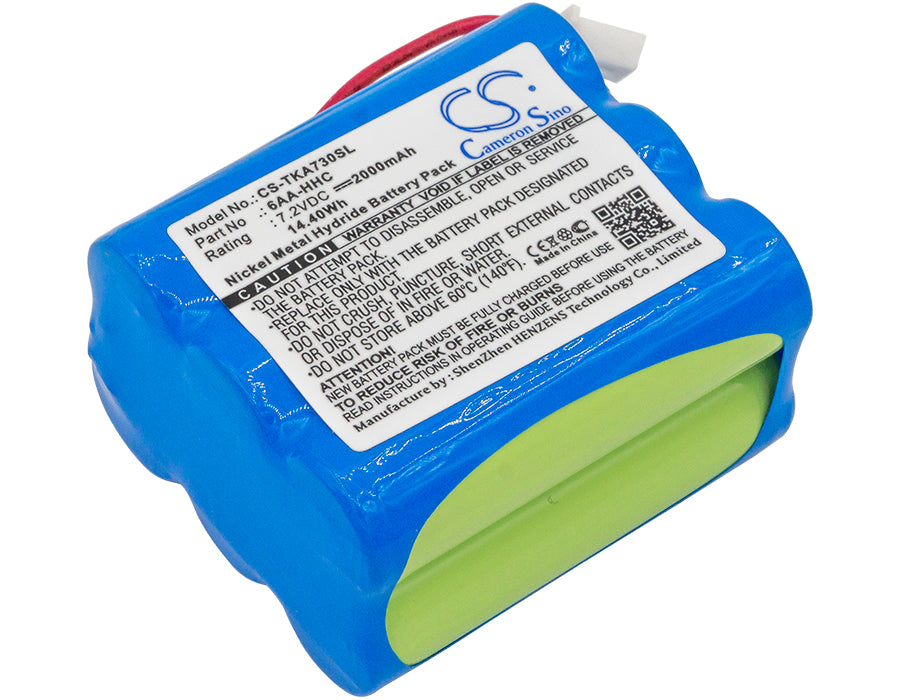
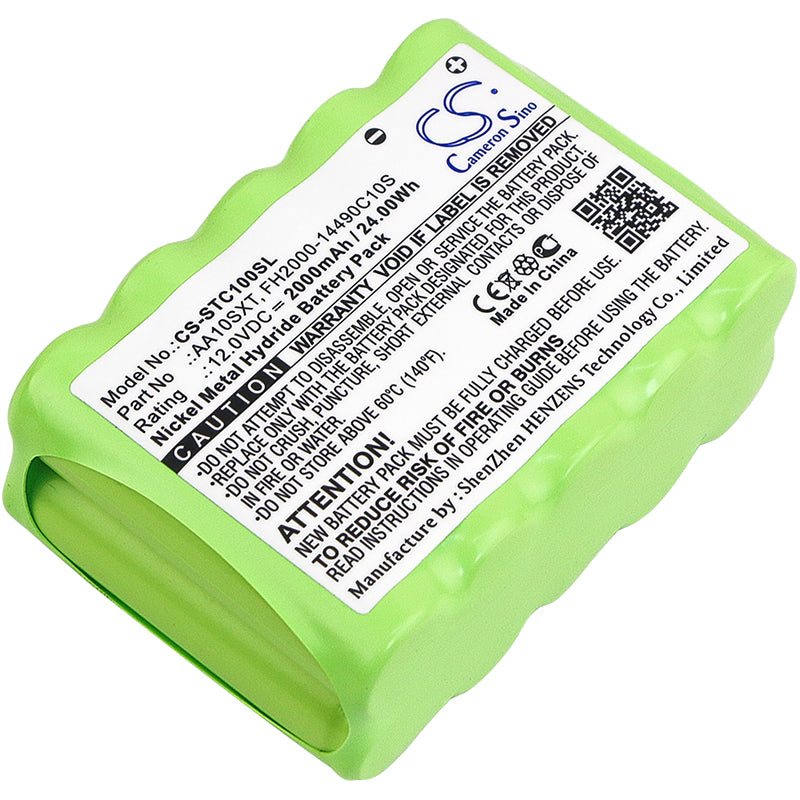
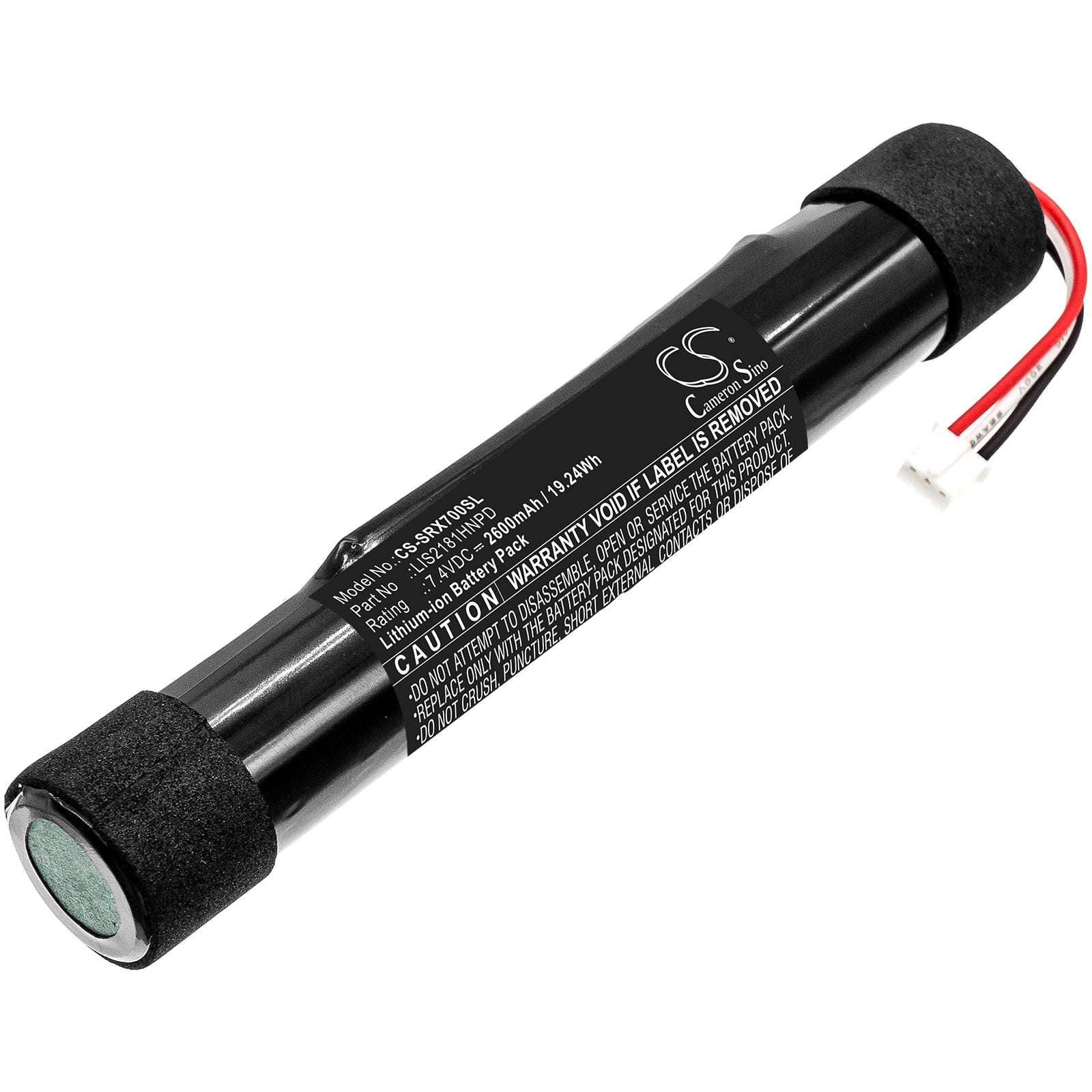
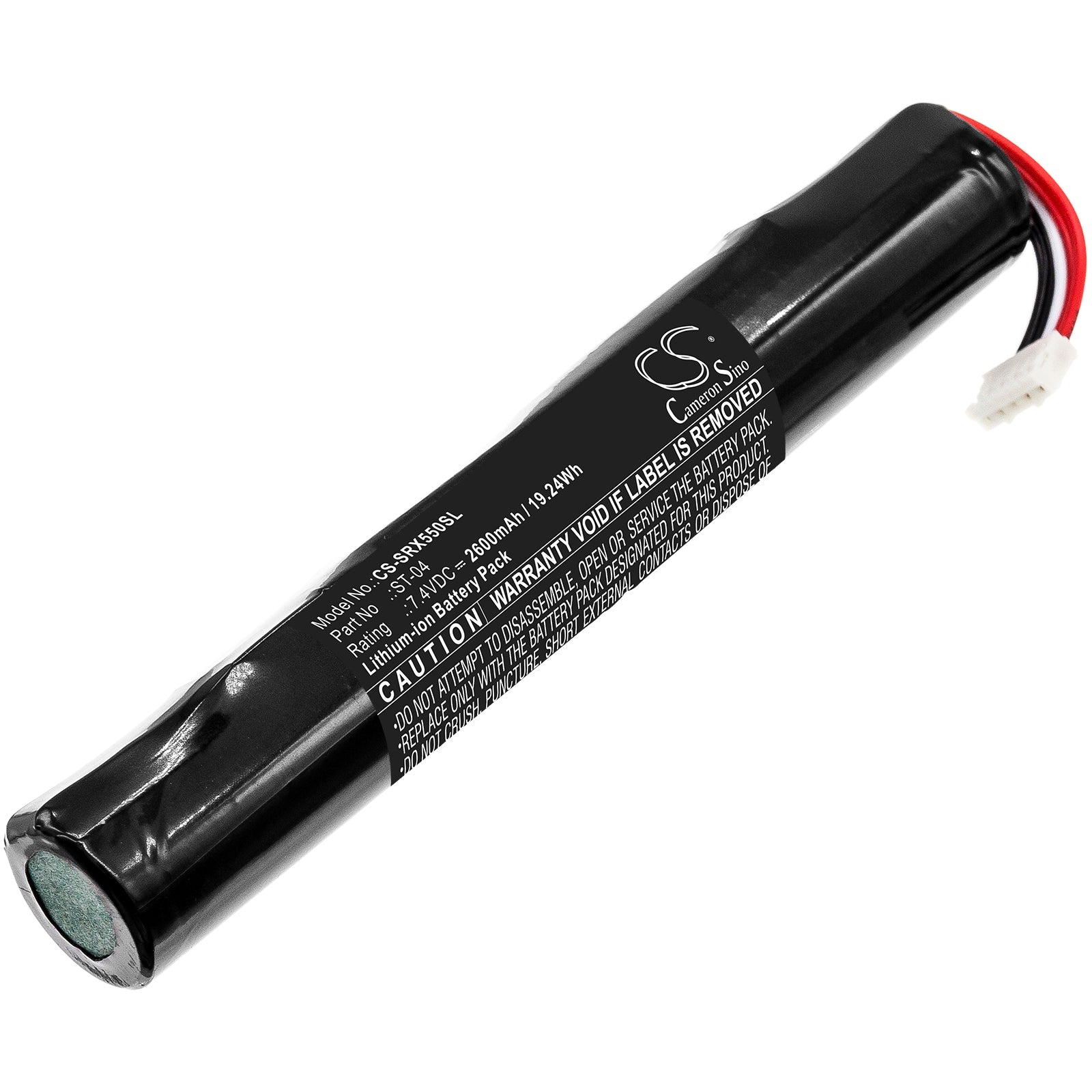
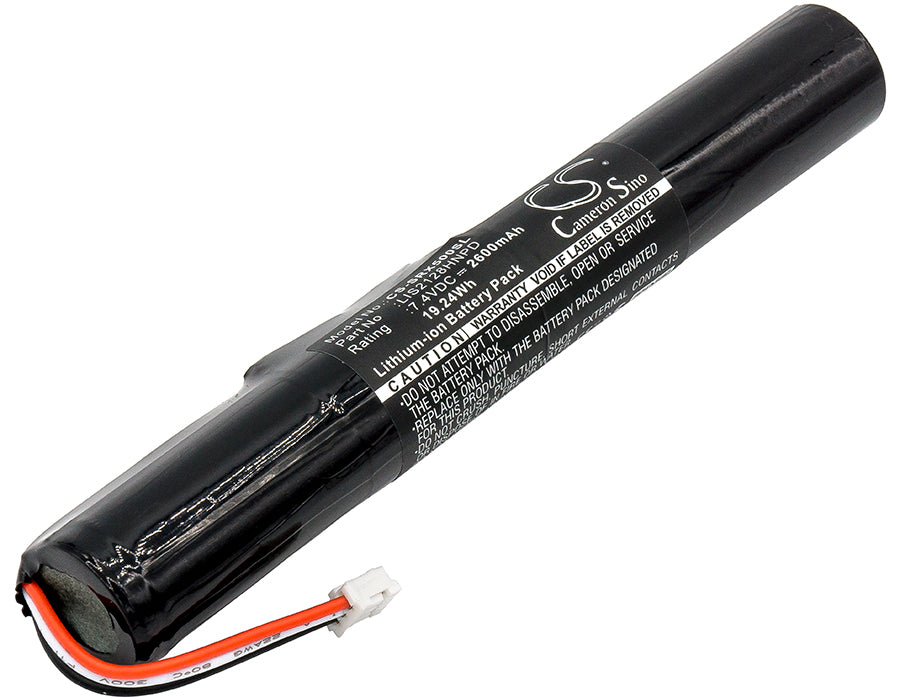
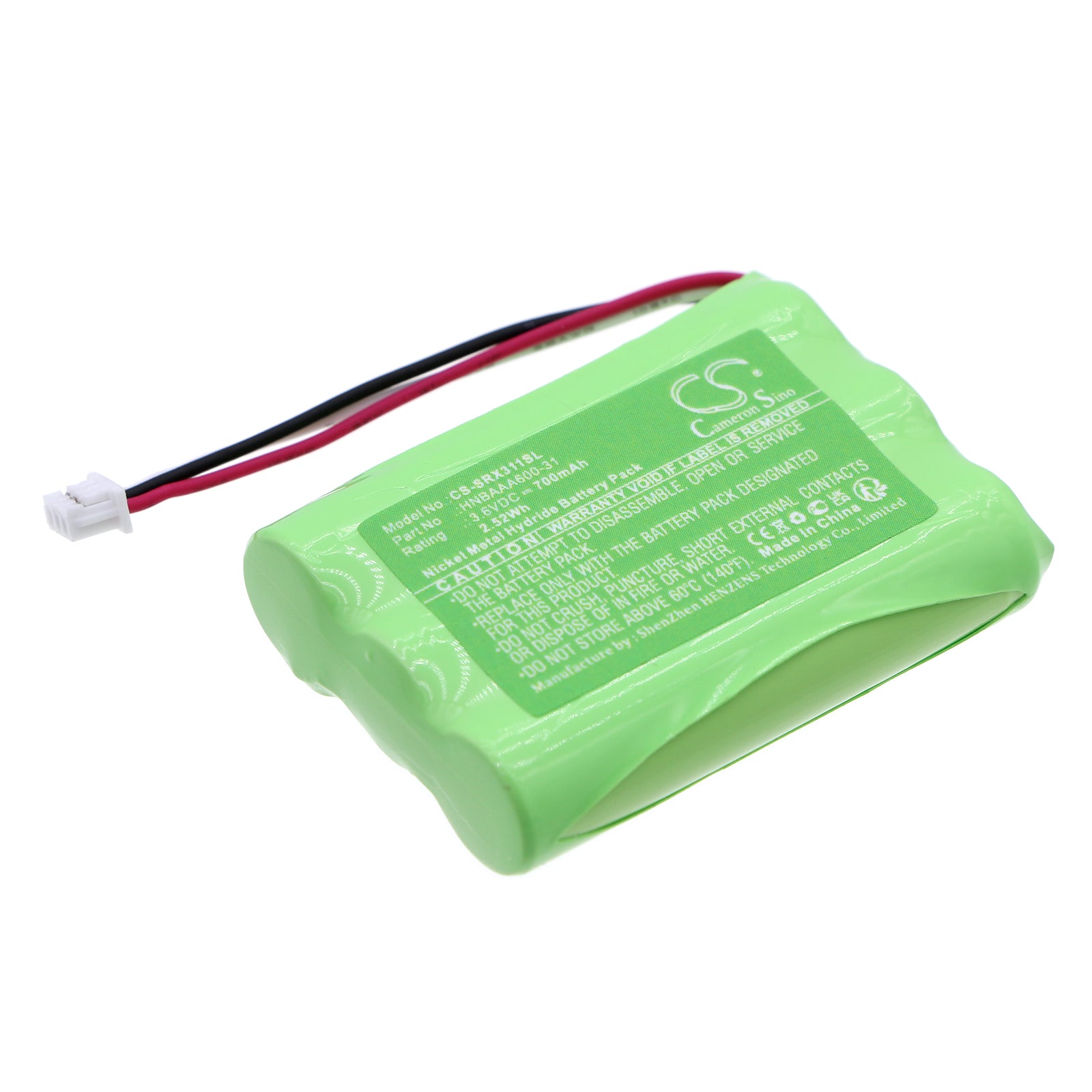
Lithium-ion and Nickel-Metal Hydride (NiMH) batteries are like the rock stars and folk singers of the battery world – both have their strengths, but they perform differently. Lithium-ion batteries are the current darlings of portable electronics. They're lighter, hold more charge, and don't suffer from the dreaded "memory effect." They're like the energizer bunny on steroids. NiMH batteries, while heavier and with less capacity, are more environmentally friendly and generally cheaper. They're the reliable workhorses of the battery world. In speakers, lithium-ion is becoming the go-to choice for its superior performance and longer lifespan. But don't count NiMH out just yet – they're still kicking in some models, especially in the budget-friendly range.
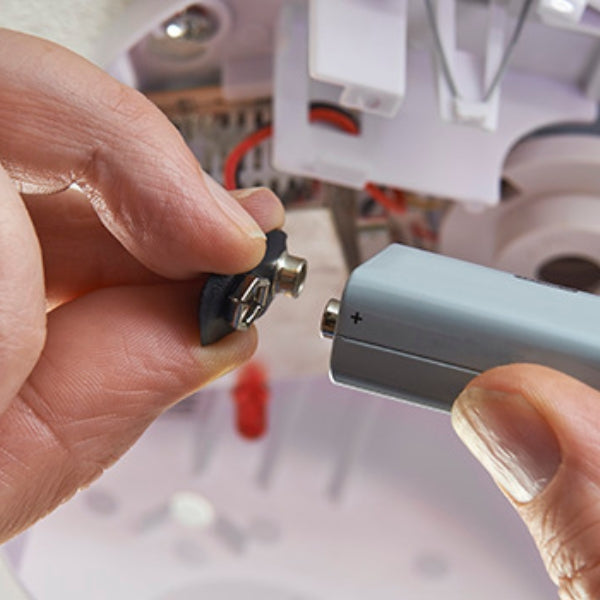
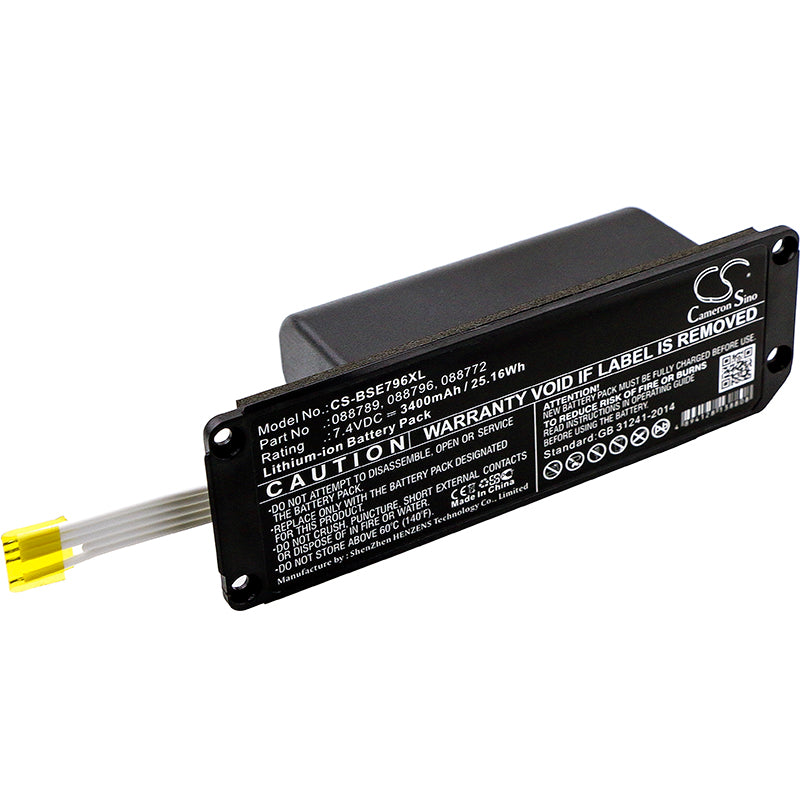
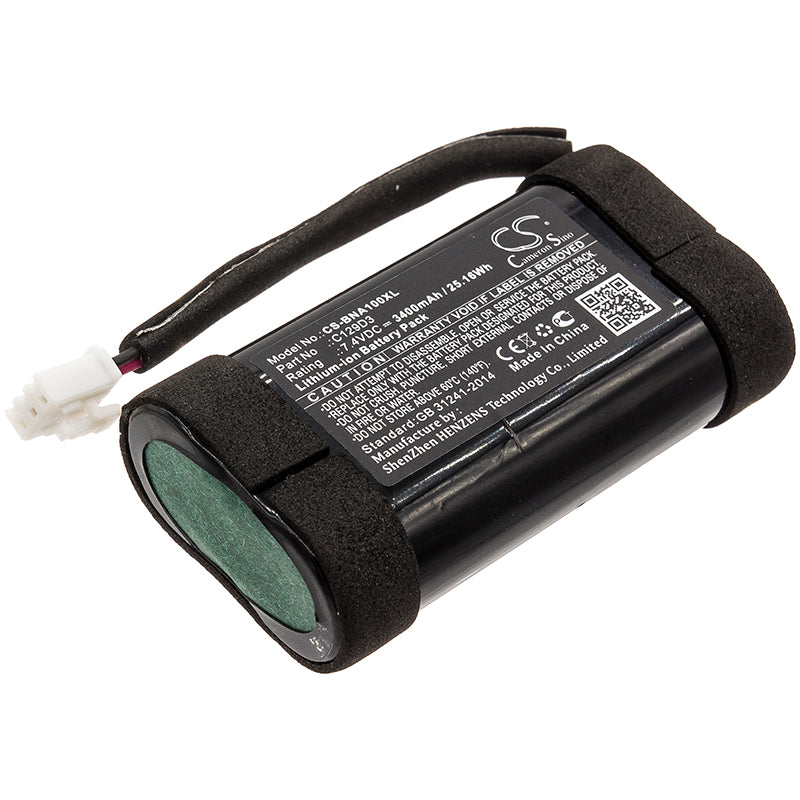
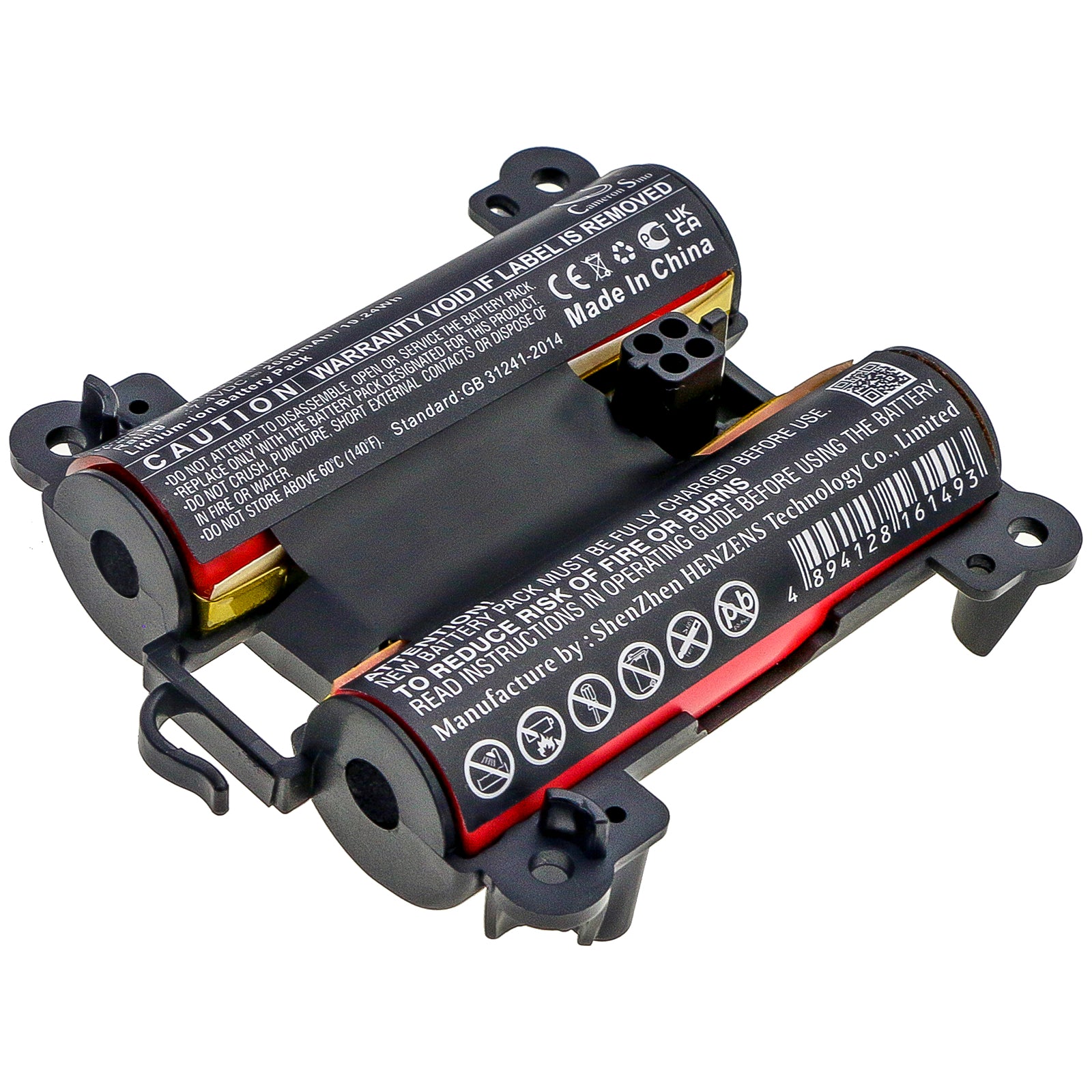
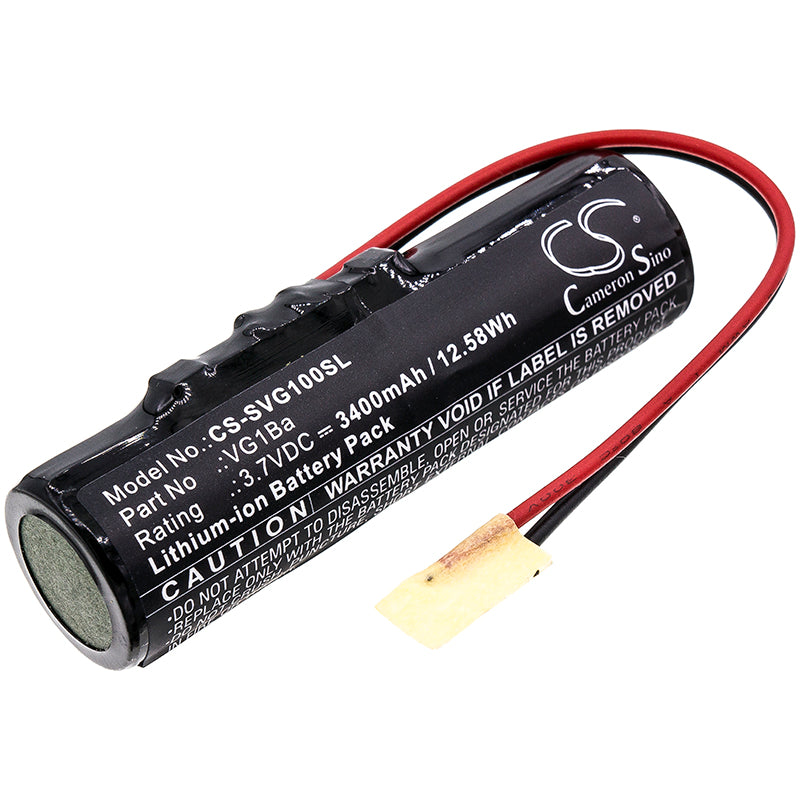
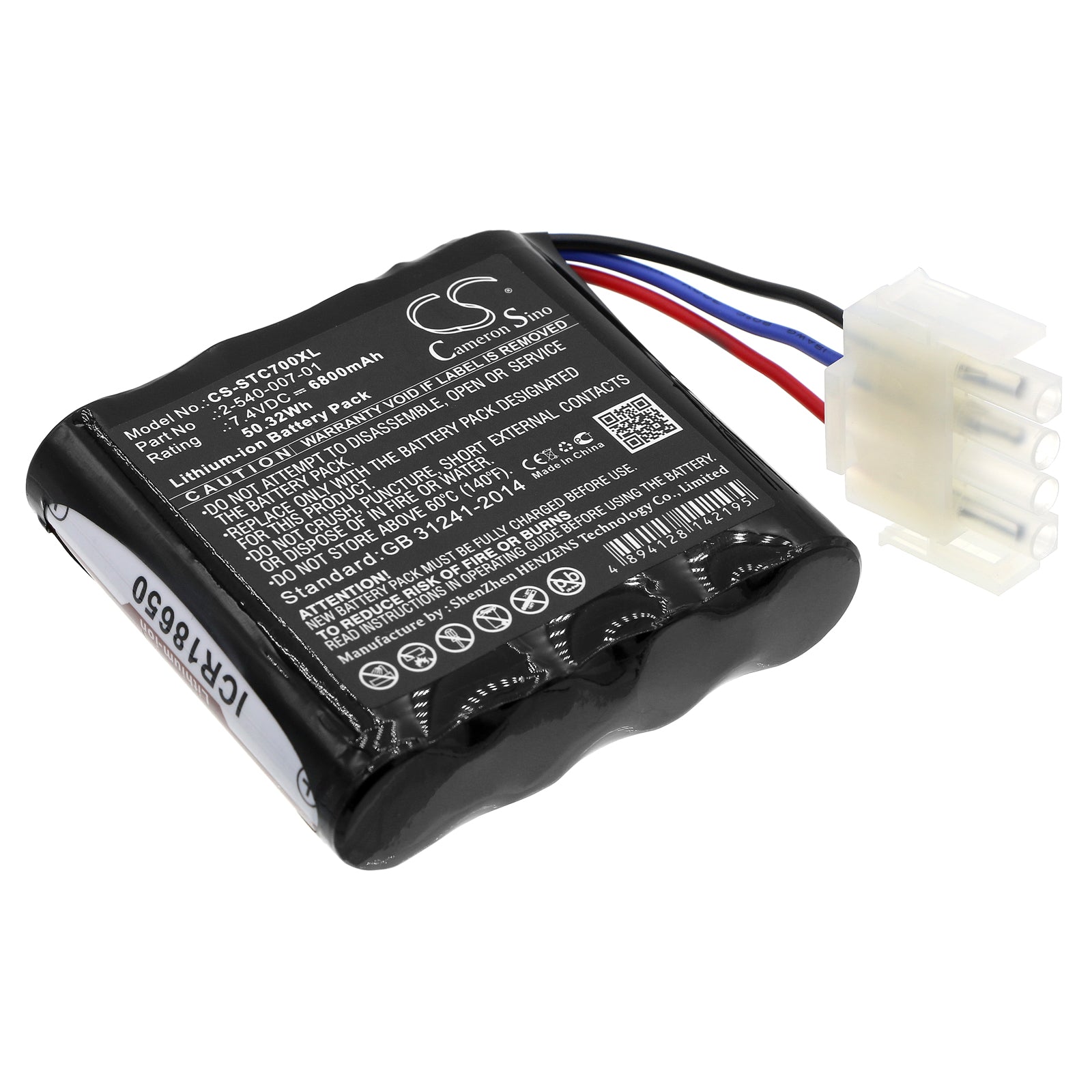
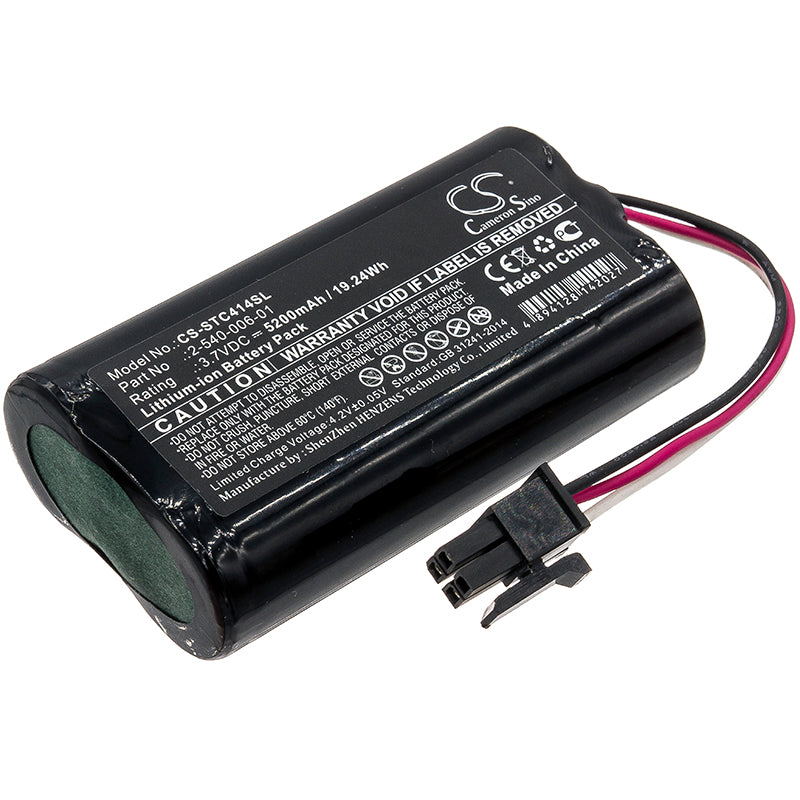
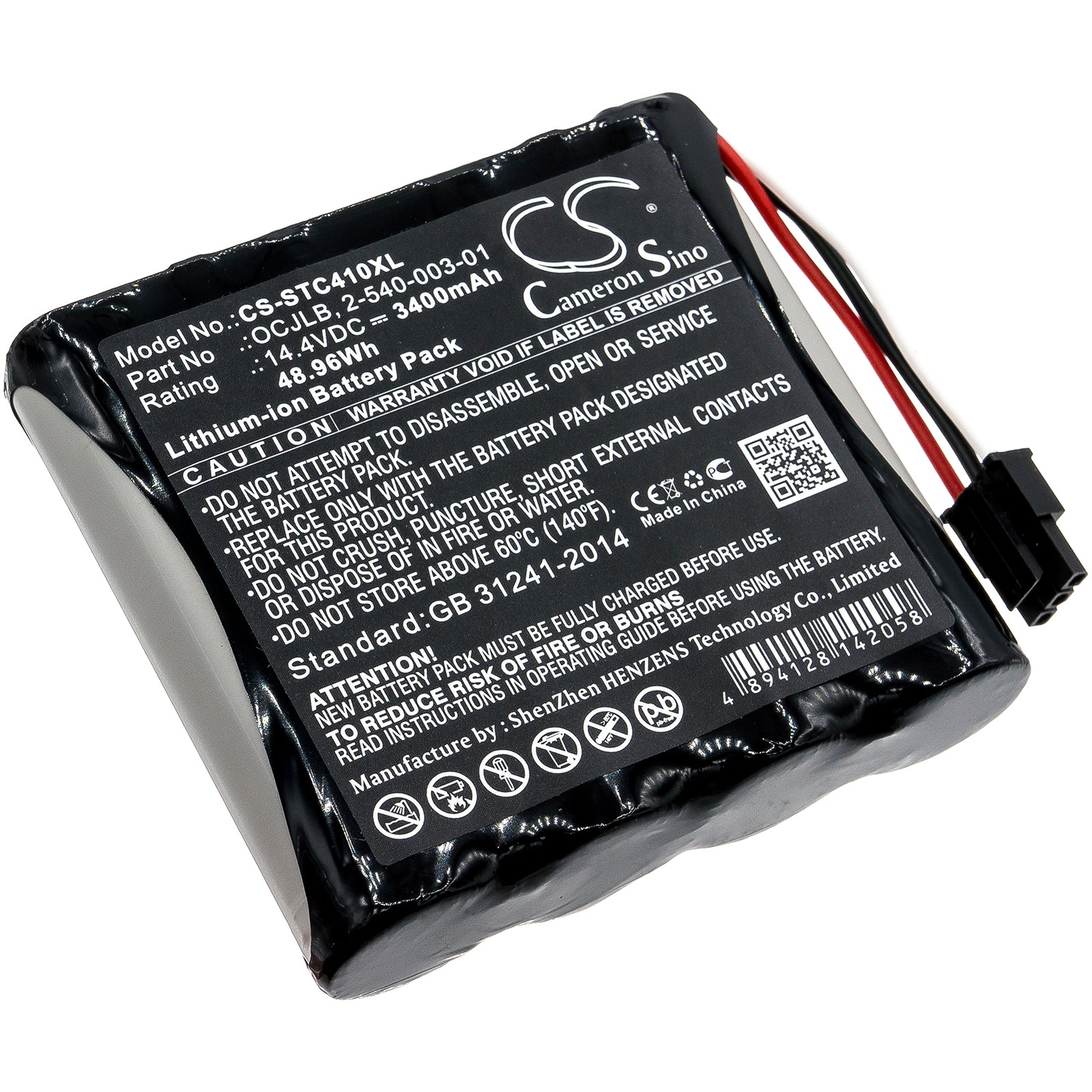
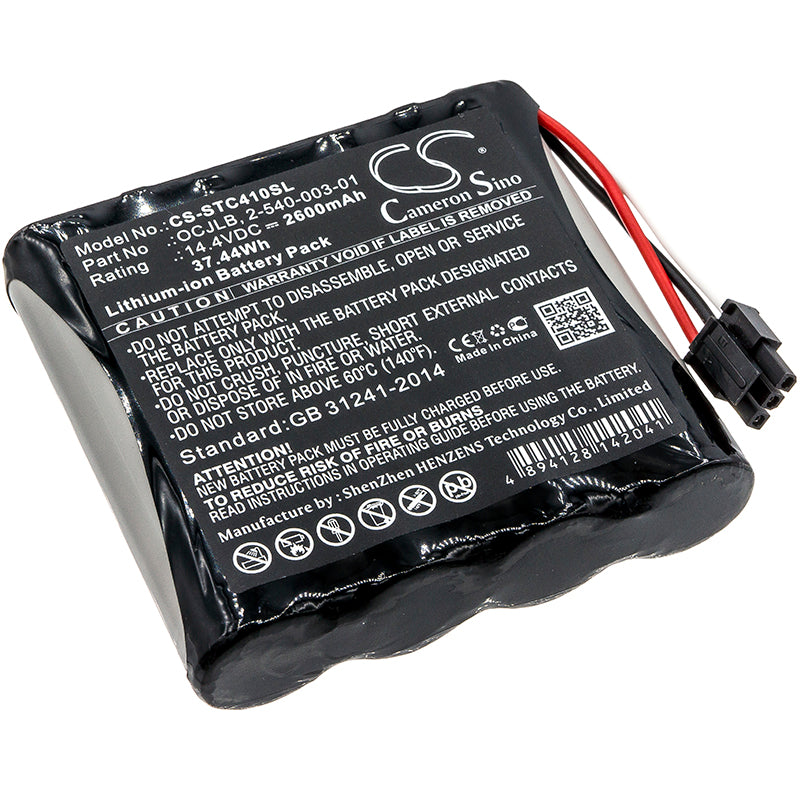
Replacing a speaker battery can be trickier than negotiating with a difficult record label. First, check if your warranty is still valid – if so, let the professionals handle it. If you're going DIY, start by finding the right replacement battery. It's like finding the perfect band member – compatibility is key. Power down your speaker and unplug it from any power source. Now, channel your inner surgeon and carefully open the speaker casing. This might require special tools, so don't force it like a bad guitar solo. Disconnect the old battery gently – no yanking! Connect the new battery, ensuring the polarity matches. Close everything up, and voila! You've just given your speaker a new lease on life. But remember, if you're not comfortable with this process, it's better to seek professional help than to turn your speaker into an expensive paperweight.