




FAQ
Ah, the delicate dance of battery storage – it's like tucking your tools in for a long winter's nap. For lithium-ion power tool batteries, think cool, dry, and half-charged. Aim for room temperature, around 20°C (68°F), and keep them away from extreme heat or cold. Moisture is the enemy, so no damp basements or steamy garages. Here's the kicker: store them at about 40-50% charge. It's the sweet spot that keeps the battery's innards happy without overworking them. And for the love of all things cordless, don't leave them fully charged for months on end – that's a surefire way to age them prematurely. Remember, a well-stored battery is a long-lasting battery, ready to spring into action when duty calls.
Flying with power tool batteries? It's like negotiating with a strict librarian – there are rules, and they must be followed. The good news is, you can bring them, but there's a catch (isn't there always?). Lithium-ion batteries under 100 watt-hours are generally allowed in carry-on bags. That covers most power tool batteries, but check yours to be sure. Here's the twist: they must be in your carry-on, not checked luggage. Why? Because if they decide to throw a fiery tantrum, the crew can handle it. Also, keep them in their original packaging or tape the contacts. No loose batteries doing the macarena in your bag, please. And if your battery is over 100Wh? You'll need airline approval, so check before you pack. Remember, rules can vary by airline and country, so always double-check before you fly. It's better to ask permission than beg forgiveness at security.
Can power tool batteries catch fire? Well, can a bear dance the tango in the woods? The answer to both is yes, but it's not exactly an everyday occurrence. Lithium-ion batteries, the lifeblood of our beloved power tools, can indeed throw a fiery fit under certain circumstances. It's rare, but when it happens, it's like a tiny volcano erupting in your toolbox. The culprits? Usually, it's damage, manufacturing defects, or extreme conditions playing the villain. A punctured battery, overheating from direct sunlight, or charging with a mismatched charger can all lead to thermal runaway – battery speak for "things are about to get hot and not in a good way." But don't panic and throw your tools out just yet. Modern batteries have built-in safeguards, like thermal fuses and vents, to prevent these drama queen moments. The key is treating your batteries with respect. No tossing, crushing, or using them as impromptu coasters. Keep them cool, dry, and away from metal objects that might short-circuit them. Remember, a well-cared-for battery is less likely to star in its own fireworks show.
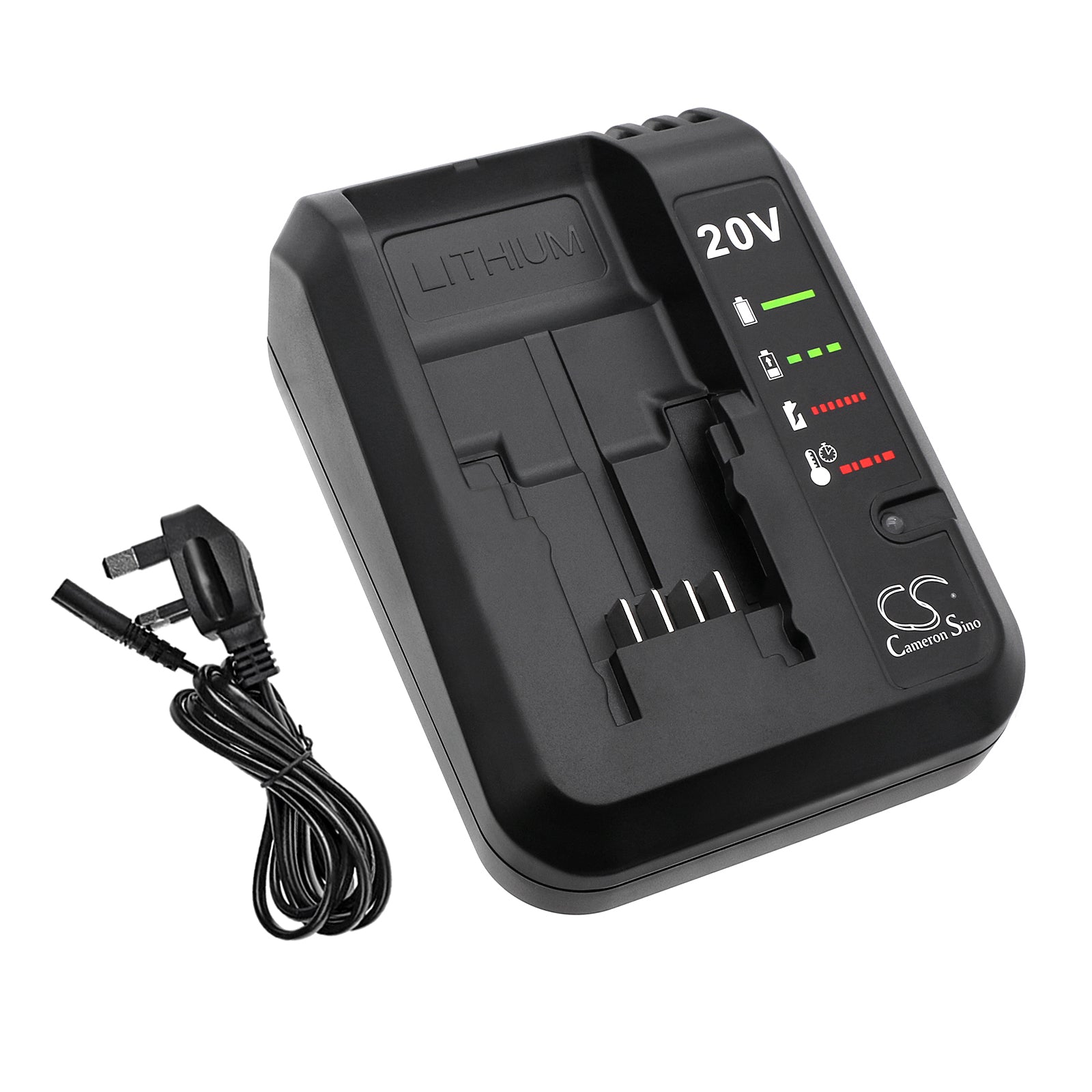
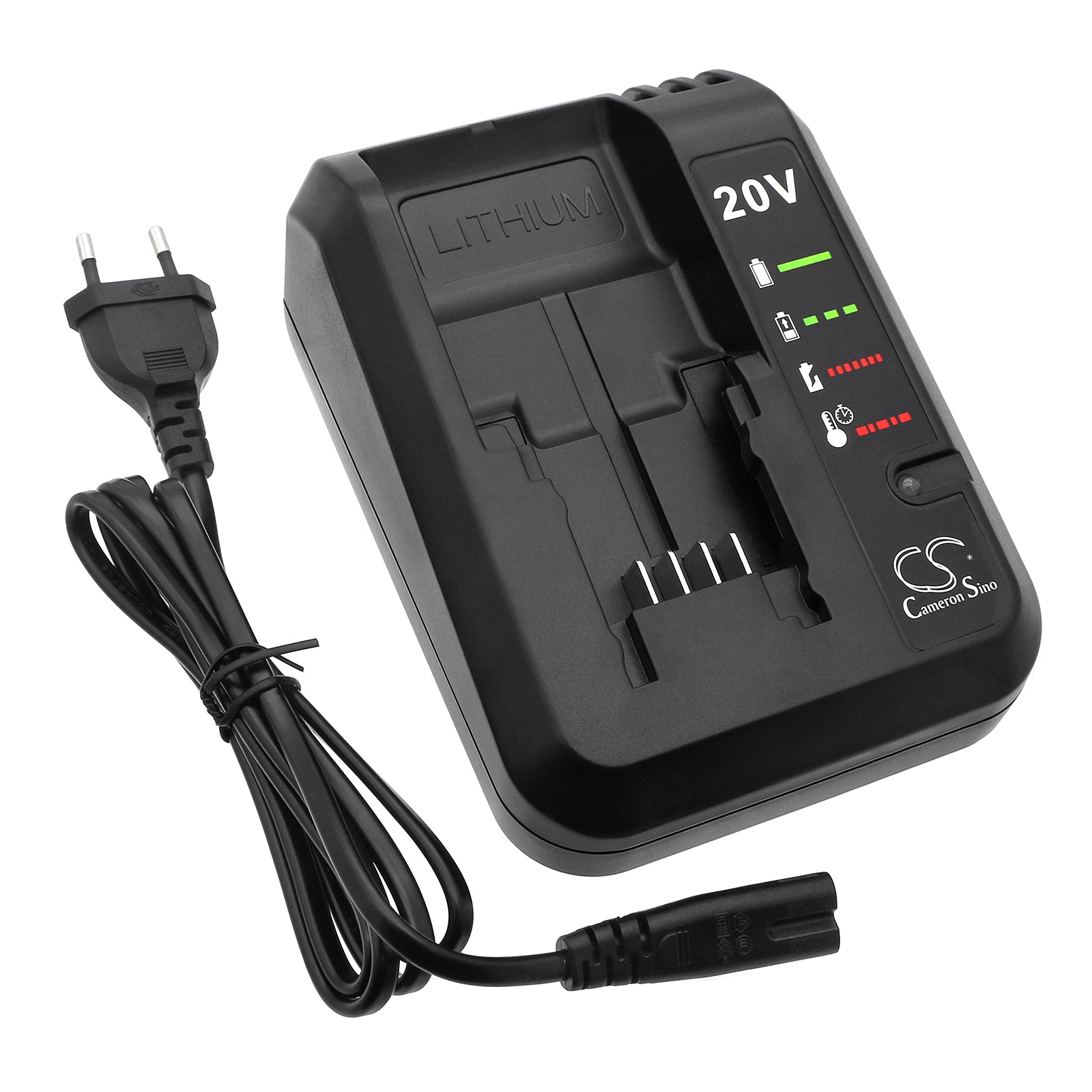
Leaving power tool batteries on the charger – it's the toolbox equivalent of leaving your kids at summer camp indefinitely. Can you do it? Sure. Should you? Well, that's where things get interesting. Modern chargers are pretty smart cookies. They've got built-in systems to prevent overcharging, so they'll typically switch to a maintenance mode once your battery is full. It's like a battery spa – keeping it relaxed and ready to go. But here's the rub: while it won't immediately harm your battery, it's not ideal for long-term storage. Constant trickle charging can slowly degrade the battery's capacity over time. It's like keeping your car idling – sure, it's ready to go, but you're not doing it any favors. The best practice? Charge it up, then unplug it. If you're not using the tool for a while, store the battery at about 40-50% charge. It's like putting your battery in a comfy hammock – relaxed, but not stressed. Remember, batteries prefer a bit of activity, so give them a workout every few months. It keeps them in fighting shape, ready to tackle your next project with gusto.
How long do power tool batteries last? Well, it's like asking how long a piece of string is – it depends. On average, you're looking at about 3-5 years of good, honest work from your lithium-ion buddies. But here's the thing: it's not just about calendar years. It's about charge cycles – the number of times you drain and recharge the battery. Most power tool batteries are good for about 1000 charge cycles. Now, before you start obsessively counting charges, remember that how you use and store them plays a big role. Treat them like temperamental artists – they don't like extreme heat or cold, and they prefer not to be worked to exhaustion. Regular use keeps them happy, but overworking them is a no-no. And here's a pro tip: partial discharges are actually better than full ones. It's like interval training for your battery. Also, quality matters. A high-end battery from a reputable brand might outlast its cheaper cousins. So, while 3-5 years is a good rule of thumb, with proper care and a bit of luck, you might just squeeze a few extra years out of your trusty power pack. Just don't expect it to outlive your mortgage – even the best batteries have their limits.
Disposing of power tool batteries – it's not as simple as tossing them in the trash with yesterday's pizza boxes. These little powerhouses need special treatment, like temperamental rock stars. First things first: don't just chuck them in the bin. That's a big no-no, potentially dangerous, and in many places, illegal. Instead, think of it as your battery's farewell tour. Many hardware stores, home improvement centers, and even some electronics retailers have battery recycling programs. They're like retirement homes for your faithful power companions. Some tool manufacturers also offer take-back programs – it's like sending your battery back to its ancestral home. Can't find a drop-off point? Look for local hazardous waste collection events. They're like festivals for unwanted chemicals and batteries. Before you hand them over, tape over the terminals. It's like putting a muzzle on a guard dog – it prevents any accidental sparks or short circuits. And here's a pro tip: some places even pay for old batteries. It's not much, but hey, who doesn't like a bit of cash for their trash? Remember, recycling these batteries isn't just good for your conscience; it's crucial for the environment. Those precious metals and chemicals can be reused, keeping them out of landfills and reducing the need for new mining. So, give your old battery a proper send-off – it's served you well, after all.