

FAQ
Not all microphones need batteries, but some do. It's like asking if all cars need gas—some run on electricity, right? Dynamic mics, the sturdy workhorses of the audio world, don't need batteries. They're like the bicycles of sound capture—no fuel required. Condenser mics, on the other hand, are the fancy sports cars of the microphone world. They need power, either from batteries or phantom power from a mixer or interface. Wireless mics? They're definitely battery munchers. So, whether your mic needs batteries depends on its type and how it connects to your setup. Always check the manual—it's like reading the nutritional info on your snacks, but for your audio gear.
When it comes to powering your wireless mic, you want a battery that's as reliable as your grandma's secret recipe. Alkaline batteries are the go-to for many, like the trusty Duracell or Energizer. They're the bread and butter of wireless mic power. But if you're looking to level up, rechargeable NiMH batteries are the unsung heroes. They're like the cool cousin who always has the latest gadget—more expensive upfront, but they'll save you money in the long run and are kinder to Mother Earth. For the cream of the crop, Lithium-ion batteries offer the longest life and consistent power output. They're the rockstars of the battery world—high-performance, but with a price tag to match. Always check your mic's manual for the recommended battery type; it's like following a recipe—use the right ingredients for the best results.
Dynamic microphones are the self-sufficient introverts of the audio world—they don't need external batteries to function. These mics work on the principle of electromagnetic induction, like a mini power plant in your hand. When sound waves hit the diaphragm, it moves a coil in a magnetic field, creating an electrical signal. No batteries required—it's audio alchemy at its finest. This is why dynamic mics are the go-to for live performances and rugged environments. They're like the cactuses of the microphone desert—thriving without external power sources. However, if you're using a dynamic mic with a wireless system, that's a different story. The wireless transmitter will need batteries, but the mic itself? It's happily battery-free.
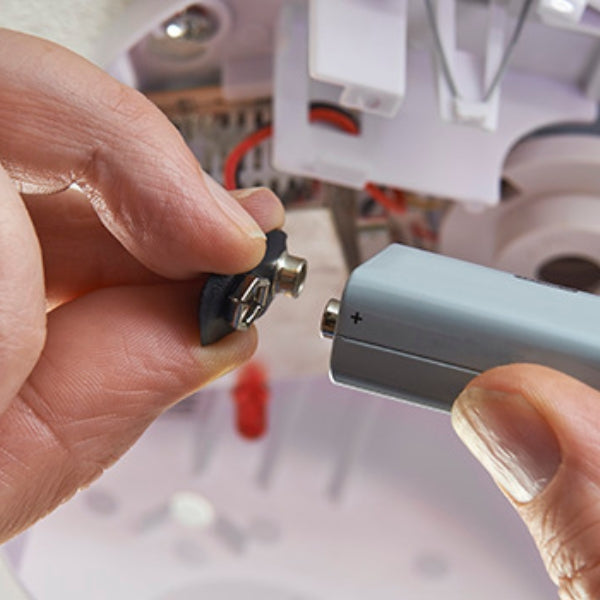
Changing batteries in a Sennheiser microphone is like performing a quick pit stop in a Formula 1 race—swift and crucial. First, locate the battery compartment. It's usually at the base of handheld mics or on the body pack for lavalier systems. Open it up—it might twist off or have a small latch. Out with the old, in with the new, but pay attention to the polarity. Getting the +/- wrong is like putting your shoes on the wrong feet—it just won't work right. For most Sennheiser wireless mics, you'll need AA batteries. Once you've made the swap, close the compartment securely. It should click or twist shut with a satisfying sound, like closing a well-written book. Always carry spare batteries—they're like bringing an umbrella. You might not need them, but you'll be glad you have them when you do.
Charging a microphone battery is less about the mic and more about the type of battery it uses. For rechargeable batteries like NiMH or Lithium-ion, you'll need a dedicated charger. It's like having a special coffee maker for your fancy beans—specific tools for specific jobs. Many modern wireless systems come with their own charging docks or USB charging cables. These are the convenient, all-in-one solution, like those breakfast stations that make your coffee and toast your bagel simultaneously. If your mic uses standard rechargeable AA or AAA batteries, any compatible charger will do. Just pop them in, and let the electrical magic happen. Remember, overcharging is like overcooking—it can ruin your batteries. Many chargers have auto-shutoff features to prevent this, but it's always good to keep an eye on them. Charging your mic batteries regularly is like flossing—do it often, and you'll avoid unpleasant surprises.
The best battery for wireless microphones is like choosing the perfect wine for a meal—it depends on the occasion and your taste. For everyday use, high-quality alkaline batteries like Duracell or Energizer are solid choices. They're reliable, widely available, and offer a good balance of performance and cost—the Chardonnay of batteries, if you will. For the environmentally conscious performer, rechargeable NiMH batteries are the way to go. They're like bringing your own reusable shopping bag—good for your wallet and the planet in the long run. If you're after top-tier performance, Lithium-ion batteries are the crème de la crème. They offer longer life and more consistent power output, but come with a higher price tag—think of them as the vintage Bordeaux of the battery world. Ultimately, the best battery is one that meets your specific needs: long life for extended performances, reliability for critical events, or rechargeability for frequent use. Always check your microphone's manual for compatibility—it's like checking the recipe before you start cooking.