





FAQ
You betcha! Deep cycle marine batteries are typically lead acid batteries, designed to withstand the rigors of marine life and provide steady power over extended periods. These nautical workhorses are built to handle repeated discharge and recharge cycles, making them perfect for powering your boat's electronics, trolling motors, and other energy-hungry equipment. While lithium-ion batteries are making waves in the marine world, lead acid deep cycle batteries still dominate the market due to their reliability, affordability, and ability to deliver high current when needed. So, if you're looking to keep your boat's systems running smoothly, a lead acid deep cycle battery is likely your go-to power source.
You betcha! Deep cycle marine batteries are typically lead acid batteries, designed to withstand the rigors of marine life and provide steady power over extended periods. These nautical workhorses are built to handle repeated discharge and recharge cycles, making them perfect for powering your boat's electronics, trolling motors, and other energy-hungry equipment. While lithium-ion batteries are making waves in the marine world, lead acid deep cycle batteries still dominate the market due to their reliability, affordability, and ability to deliver high current when needed. So, if you're looking to keep your boat's systems running smoothly, a lead acid deep cycle battery is likely your go-to power source.
You betcha! Deep cycle marine batteries are typically lead acid batteries, designed to withstand the rigors of marine life and provide steady power over extended periods. These nautical workhorses are built to handle repeated discharge and recharge cycles, making them perfect for powering your boat's electronics, trolling motors, and other energy-hungry equipment. While lithium-ion batteries are making waves in the marine world, lead acid deep cycle batteries still dominate the market due to their reliability, affordability, and ability to deliver high current when needed. So, if you're looking to keep your boat's systems running smoothly, a lead acid deep cycle battery is likely your go-to power source.
Like fish tales, the lifespan of lead acid marine batteries can vary wildly depending on who you ask. However, with proper care and maintenance, you can expect these aquatic power cells to last anywhere from 3 to 6 years. Of course, this isn't set in stone – factors like usage patterns, charging habits, and environmental conditions can all impact battery longevity. Heavy use, frequent deep discharges, and exposure to extreme temperatures can shorten a battery's life faster than you can say "man overboard." On the flip side, gentle use, proper maintenance, and ideal storage conditions can help your battery outlive its expected lifespan. Remember, a well-cared-for battery is a happy battery, and a happy battery means more time on the water and less time worrying about power failures.
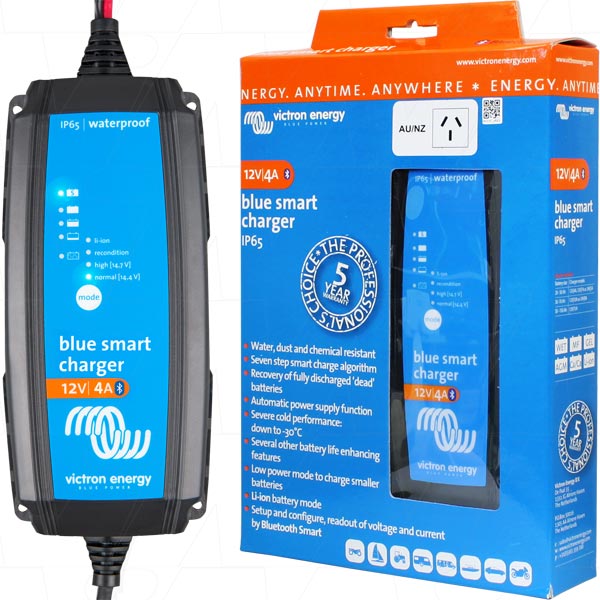
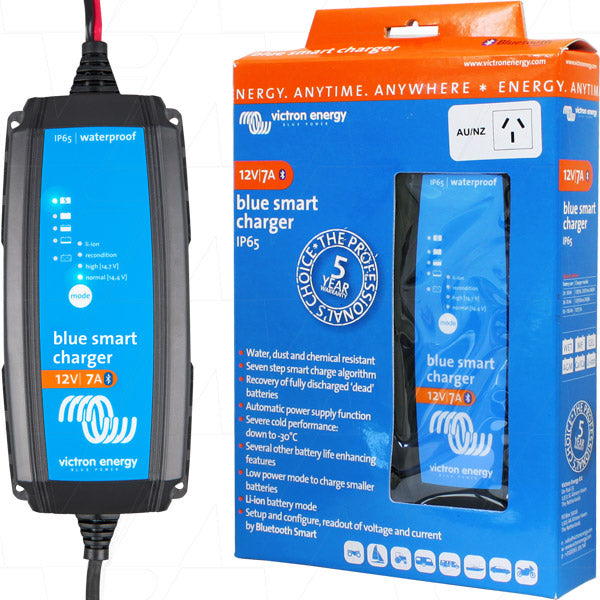
Maintaining a lead acid marine battery isn't rocket science, but it does require some TLC to keep it ship-shape. First and foremost, keep that battery clean and dry – saltwater and battery terminals are not friends. Regularly check the electrolyte levels in flooded batteries and top up with distilled water if needed. When it comes to charging, slow and steady wins the race – avoid overcharging or letting the battery discharge too deeply. Store your battery in a cool, dry place when not in use, and consider using a smart charger to maintain optimal charge levels during long periods of inactivity. Lastly, perform regular voltage checks and load tests to catch any potential issues before they leave you high and dry. With a little attention and care, your lead acid marine battery will be ready to power your aquatic adventures for years to come.
Choosing the right size lead acid battery for your boat is like finding the perfect fishing spot – it requires some knowledge and a bit of trial and error. The size you need depends on various factors, including your boat's size, the number and type of electrical devices on board, and how you use your vessel. As a general rule, calculate your total power consumption in amp-hours and choose a battery with a capacity that's at least 20% higher than your needs. Don't forget to consider the physical dimensions of the battery and ensure it fits in your boat's designated battery compartment. If you're still unsure, consult your boat's manual or chat with a marine battery expert – they'll help you navigate the sea of options and find the perfect power source for your nautical needs.