FAQ
In the power-packed world of inverter batteries, finding the crème de la crème is like searching for a needle in a haystack – if that needle could keep your lights on during a blackout. The best inverter battery isn't just about raw power; it's a delicate dance of capacity, efficiency, and longevity. Tubular lead-acid batteries often take the crown, offering a robust performance that'll make your neighbors green with envy. But wait, there's more! Lithium-ion batteries are the new kids on the block, packing a punch with faster charging and a lifespan that'll outlast your favorite pair of jeans. When choosing your battery soulmate, consider factors like maintenance needs, depth of discharge, and warranty. Remember, the best battery is the one that fits your needs like a glove – and keeps your Netflix binge-watching uninterrupted.
Absolutely, my power-hungry friend! Charging your inverter battery with a generator is like giving your energy-starved cells a gourmet meal. But before you fire up that generator, let's talk turkey. First, ensure your generator's output voltage matches your inverter's input requirements – we're aiming for a perfect match, not a blind date disaster. Next, consider the generator's capacity; it should be able to handle your inverter's charging needs without breaking a sweat. Don't forget to use a voltage regulator to keep things smooth and steady – think of it as a chaperone for your electrical dance. And here's a pro tip: charge in cycles to avoid overheating and extend your battery's life. With the right setup, your generator and inverter battery will be thick as thieves, ready to keep your power flowing when the grid decides to take an unscheduled vacation.
Detecting a failing inverter battery is like being a detective in a power-packed mystery. First, keep your eyes peeled for the telltale signs: Is your inverter throwing more tantrums than a toddler, constantly beeping or shutting off? That's your first clue. Next, put on your Sherlock hat and observe the backup time. If it's shrinking faster than your patience during a power outage, your battery might be waving the white flag. Here's another nugget of wisdom: check the voltage. If it's lower than a limbo champion even after a full charge, something's amiss. Don't ignore physical symptoms either – bulging, leaking, or a battery that's hotter than a summer sidewalk are all red flags. Lastly, if your battery is older than your favorite pair of lucky socks (think 3-5 years), it might be time to retire it. Remember, a healthy battery is a happy battery, and a happy battery keeps your gadgets singing even when the power grid decides to take an impromptu nap.
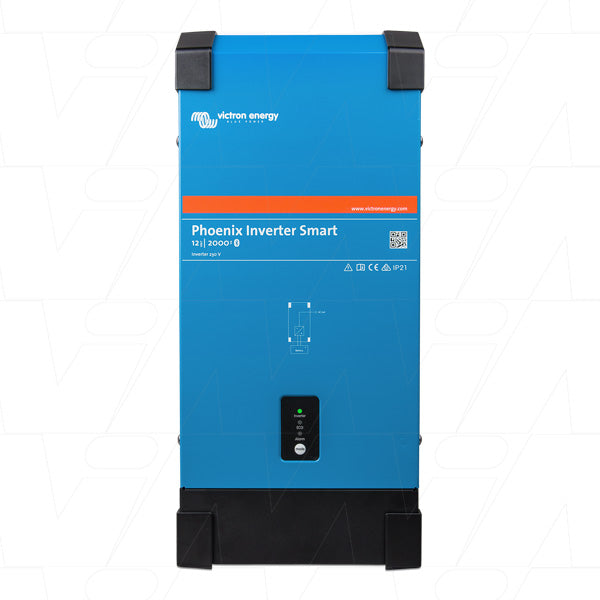
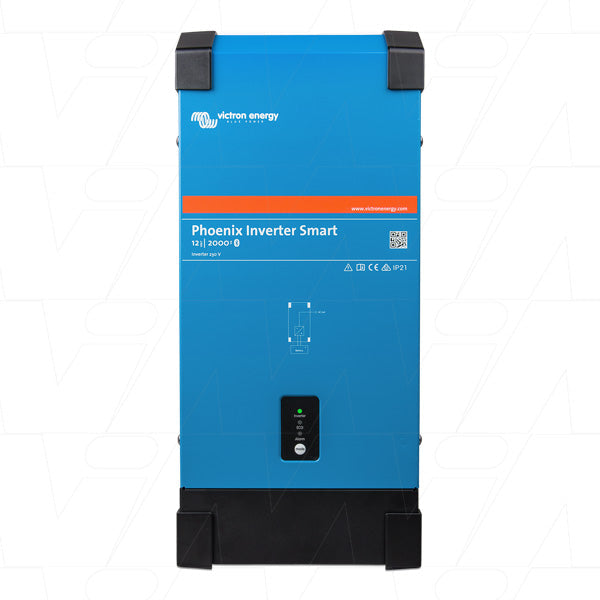
Buckle up, power enthusiasts, because we're about to demystify the magical world of inverter batteries! These unsung heroes of the electrical realm are like the Transformers of the power world – converting energy faster than you can say "Autobots, roll out!" Here's the lowdown: When your trusty power grid takes an unexpected siesta, your inverter battery springs into action. It's been quietly storing DC (Direct Current) power, like a squirrel hoarding nuts for winter. But wait, there's more! Your household appliances are picky eaters – they only digest AC (Alternating Current). That's where the inverter comes in, working its alchemical magic to transform DC into AC faster than you can flip a light switch. The result? Your TV keeps streaming, your fridge keeps chilling, and you keep your cool during a blackout. It's a beautiful symbiosis of chemical reactions and electrical wizardry, ensuring that your modern life doesn't skip a beat, even when the power company drops the ball.
Ah, the million-dollar question! The lifespan of an inverter battery is like a cat with nine lives – it depends on how well you treat it. On average, these power-packed companions stick around for 3-5 years, but with the right TLC, they can outlast your favorite pair of jeans. The secret sauce? It's all about usage, maintenance, and a sprinkle of battery karma. Regular charging (but not overcharging – we're not running a battery boot camp here), proper water levels for flooded lead-acid types, and keeping it cooler than a cucumber all contribute to a longer life. But wait, there's more! The type of battery matters too. Tubular batteries are the marathoners of the inverter world, often lasting 5-7 years, while flat plate batteries might call it quits a bit earlier. And let's not forget our fancy friend, the lithium-ion battery, which can keep kicking for up to a decade! Remember, a well-maintained battery is like a fine wine – it gets better with age (well, to a point). So, treat your inverter battery right, and it'll be your reliable power buddy through thick and thin, blackouts and brownouts!
Charging your inverter battery is like feeding a hungry beast – do it right, and you'll have a happy, energetic companion; do it wrong, and you might unleash a power-hungry monster. First things first, know your battery type – lead-acid and lithium-ion have different appetites. For lead-acid batteries, slow and steady wins the race. Use a multi-stage charger that starts with a bulk charge, then moves to absorption and finally, a float charge. It's like a three-course meal for your battery! Lithium-ion batteries? They're the sprinters of the battery world – fast charging is their middle name. But here's the kicker: never let your battery run completely dry. It's like starving your car of gas – not a good idea. Aim to recharge when it hits about 50% capacity. And remember, temperature matters! Charging in extreme heat or cold is like trying to eat ice cream in a sauna – messy and ineffective. Keep it cool, keep it regular, and your inverter battery will be ready to save the day when the lights go out!