











FAQ
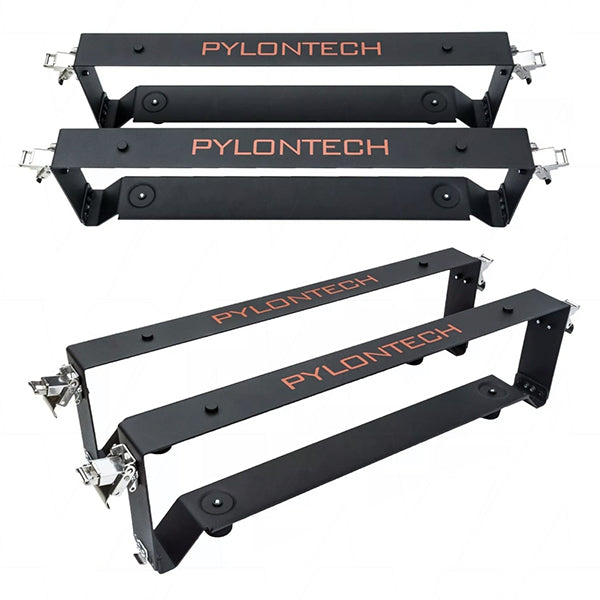
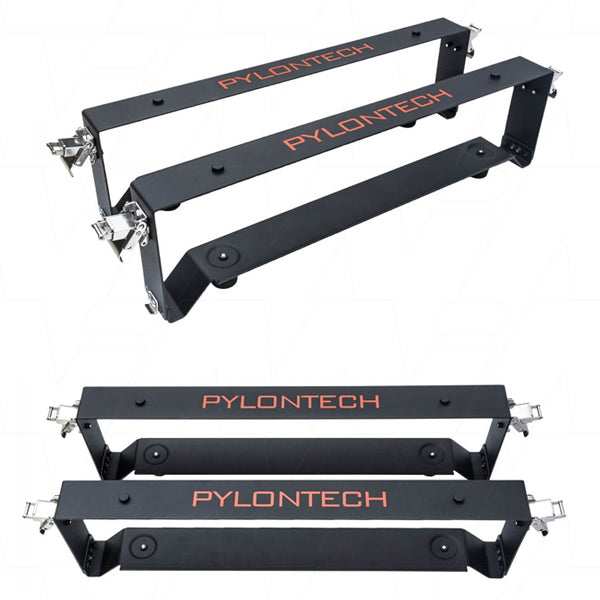
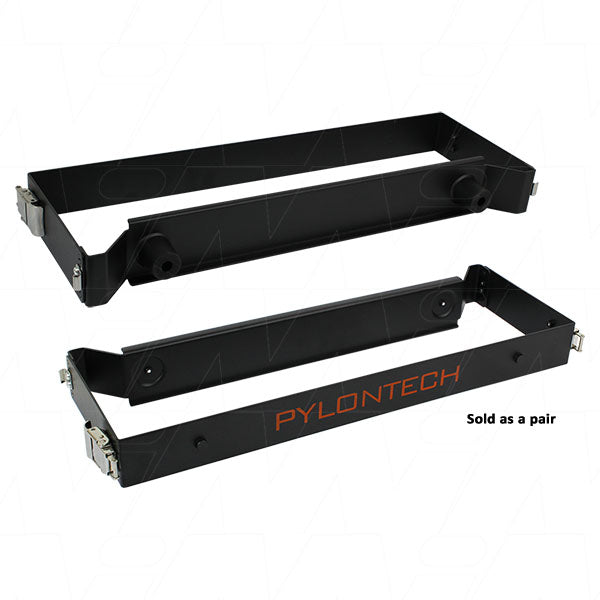
When it comes to storing batteries safely, not all racks are created equal. The best battery racks for safe storage combine durability, proper ventilation, and corrosion resistance. Look for heavy-duty steel construction with a powder-coated finish to withstand harsh environments. Adjustable shelves are a must for accommodating different battery sizes. Top-tier options include the Eagle 1647B and Justrite 915405, both offering excellent chemical resistance and spill containment features. For smaller setups, the Durham 366-95 provides a compact yet sturdy solution. Remember, the best rack is one that meets your specific needs while prioritizing safety and longevity.
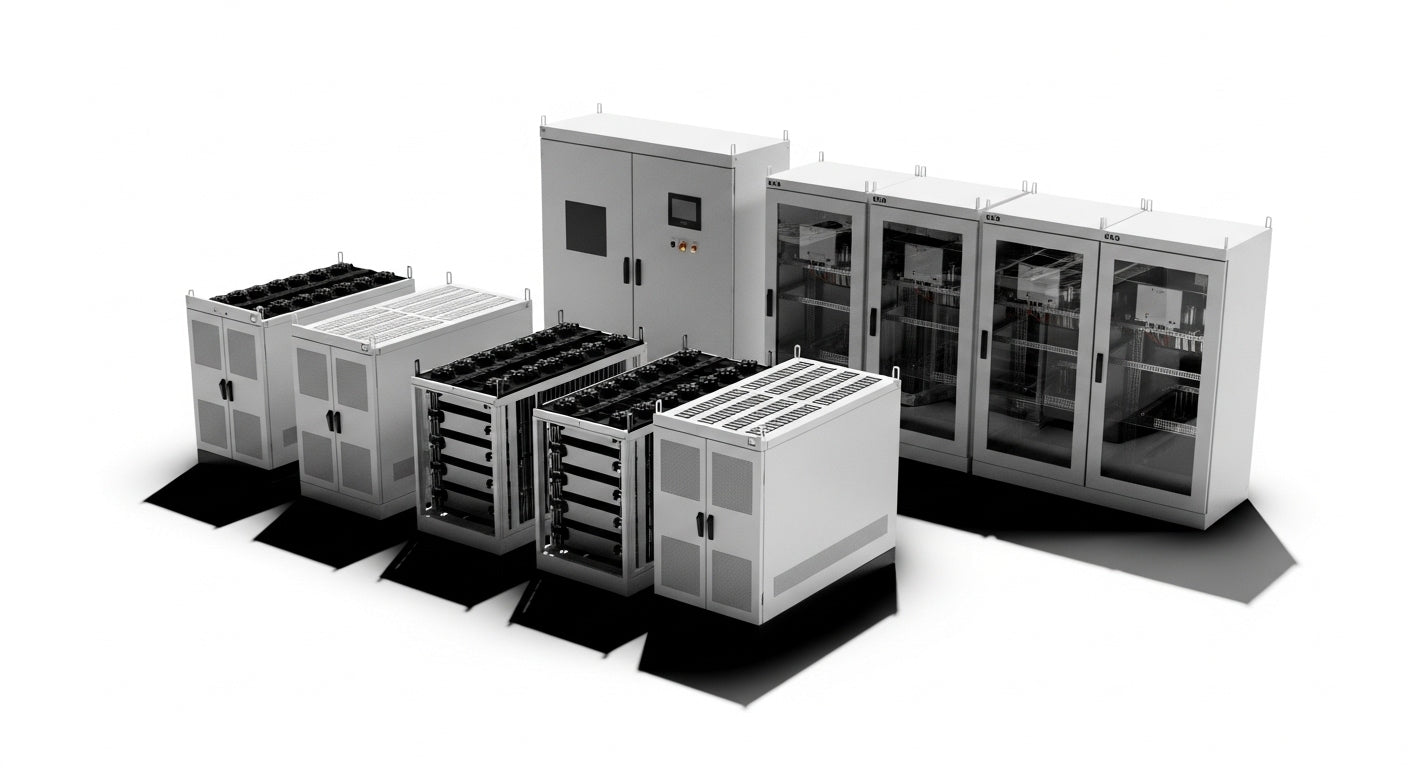
Battery cabinets are the unsung heroes of energy storage safety, working tirelessly to protect against a myriad of hazards. These guardians of power employ multiple defense mechanisms to keep your batteries – and you – out of harm's way. First up, fire resistance. Quality cabinets are constructed with materials that can withstand high temperatures, buying precious time in case of a thermal event. Ventilation systems play a crucial role, whisking away potentially explosive hydrogen gas. Spill containment features prevent leaked acid from becoming a slippery disaster. Some advanced models even include temperature monitoring and automatic fire suppression systems. It's like having a miniature fortress for your energy cells.
Battery cabinets are the unsung heroes of energy storage safety, working tirelessly to protect against a myriad of hazards. These guardians of power employ multiple defense mechanisms to keep your batteries – and you – out of harm's way. First up, fire resistance. Quality cabinets are constructed with materials that can withstand high temperatures, buying precious time in case of a thermal event. Ventilation systems play a crucial role, whisking away potentially explosive hydrogen gas. Spill containment features prevent leaked acid from becoming a slippery disaster. Some advanced models even include temperature monitoring and automatic fire suppression systems. It's like having a miniature fortress for your energy cells.
Battery cabinets are the unsung heroes of energy storage safety, working tirelessly to protect against a myriad of hazards. These guardians of power employ multiple defense mechanisms to keep your batteries – and you – out of harm's way. First up, fire resistance. Quality cabinets are constructed with materials that can withstand high temperatures, buying precious time in case of a thermal event. Ventilation systems play a crucial role, whisking away potentially explosive hydrogen gas. Spill containment features prevent leaked acid from becoming a slippery disaster. Some advanced models even include temperature monitoring and automatic fire suppression systems. It's like having a miniature fortress for your energy cells.
Absolutely! Battery racks in industrial settings are like the unsung heroes of the manufacturing world – they're not flashy, but boy, do they get the job done. These workhorses are designed to withstand the harsh realities of industrial environments, from chemical exposure to heavy loads. Look for racks with features like corrosion-resistant coatings, reinforced frames, and adjustable shelving to accommodate various battery sizes. The Durham Heavy Duty Battery Rack and Justrite Sure-Grip EX Safety Cabinet are prime examples of industrial-grade storage solutions. But remember, suitability isn't just about toughness – proper ventilation and spill containment are crucial for maintaining a safe workplace. Always ensure your chosen rack meets relevant safety standards and regulations for your specific industry.
Installing a battery rack for optimal performance is like conducting a symphony – every element needs to be in perfect harmony. Start with location: choose a well-ventilated area away from heat sources and potential hazards. Ensure the floor can support the weight of the fully loaded rack. Level the surface – a wobbly rack is about as useful as a chocolate teapot. When assembling, follow manufacturer instructions religiously; this isn't the time for creative interpretation. Secure the rack to the floor or wall for added stability. Organize batteries by type and age, placing heavier units on lower shelves. Leave space between batteries for air circulation and easy maintenance access. Finally, label everything clearly – future you will thank present you for this foresight. Remember, a well-installed rack isn't just about storage; it's about creating a safe, efficient power management system.