

FAQ
When it comes to powering your home's guardian angel, not all batteries are created equal. The crème de la crème for home alarm systems is typically a 12-volt sealed lead-acid battery. These bad boys are like the Energizer Bunny on steroids – they keep going and going, providing reliable power for extended periods. But wait, there's more! Some high-end systems are now embracing lithium-ion batteries, the same tech that keeps your smartphone chirping. These lightweight champions offer longer life and faster charging, but they'll also make your wallet a bit lighter.
Ah, the million-dollar question! Like a good bottle of wine, the lifespan of your alarm battery depends on various factors. On average, you're looking at about 3-5 years of faithful service from a sealed lead-acid battery. But here's the kicker – this can vary wildly depending on usage, temperature, and even the alignment of the stars (okay, maybe not that last one). Some systems might need a battery change every year, while others could soldier on for up to 7 years. The key is to treat your battery right – no extreme temperatures, regular check-ups, and maybe a bedtime story now and then.
Ah, the million-dollar question! Like a good bottle of wine, the lifespan of your alarm battery depends on various factors. On average, you're looking at about 3-5 years of faithful service from a sealed lead-acid battery. But here's the kicker – this can vary wildly depending on usage, temperature, and even the alignment of the stars (okay, maybe not that last one). Some systems might need a battery change every year, while others could soldier on for up to 7 years. The key is to treat your battery right – no extreme temperatures, regular check-ups, and maybe a bedtime story now and then.
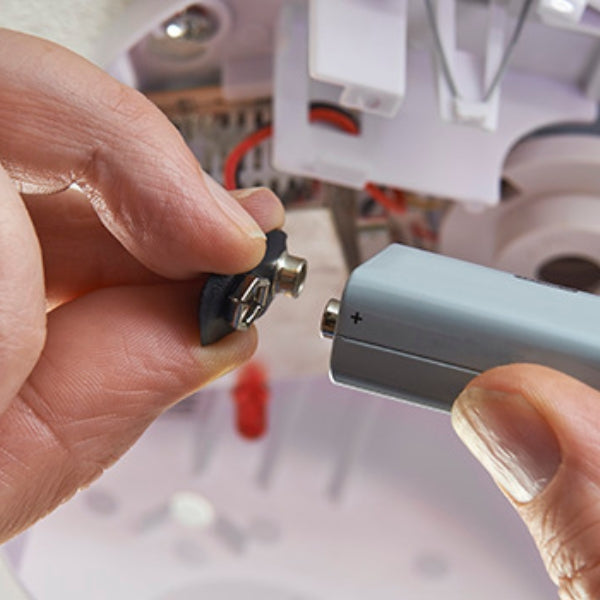
Ready to play battery doctor? Fear not, it's easier than performing brain surgery (we hope). First things first, channel your inner zen master and stay calm – most systems are designed for DIY battery swaps. Start by locating the control panel, usually hiding in a closet or basement like a shy teenager. Disarm the system, pop open the panel, and voila! You'll see the old battery, probably looking a bit worse for wear. Disconnect the old timer (mind the polarity!), slide in the new hotshot, and connect it up. Close the panel, rearm the system, and pat yourself on the back – you've just extended your alarm's lease on life!
Is your alarm system trying to tell you something? Listen up! The most obvious cry for help is a persistent beeping or chirping sound – it's like your alarm's way of clearing its throat. You might also notice a low battery indicator on the control panel, flashing at you like a needy traffic light. Some systems get extra dramatic, sending you text alerts or even calling your phone to report their power crisis. If your alarm starts acting erratically, randomly triggering, or refusing to arm, it might be throwing a battery-related tantrum. And if you can't remember the last time you changed the battery, well, that's a sign in itself!
Welcome to the future of alarm power! Rechargeable batteries for alarm systems are indeed a thing, and they're gaining popularity faster than cat videos on the internet. These eco-friendly powerhouses come in two main flavors: nickel-metal hydride (NiMH) and lithium-ion. They're like the gift that keeps on giving, recharging themselves and potentially lasting longer than their non-rechargeable cousins. Some high-end alarm systems even come with built-in rechargeable batteries, complete with solar charging options – talk about going green! However, before you jump on the rechargeable bandwagon, check if your system is compatible. Not all alarms play nice with these newfangled power sources, and the last thing you want is a security system giving you the silent treatment.