

FAQ
Ah, the humble 24V battery – the unsung hero of the power world. These little dynamos are like the Swiss Army knives of portable energy, popping up in all sorts of unexpected places. You'll find them humming away in electric scooters, whispering sweet nothings to golf carts, and keeping the lights on in RVs and boats. But wait, there's more! They're also the go-to power source for many industrial and commercial applications, like forklifts, pallet jacks, and even some solar power systems. And let's not forget their starring role in electric wheelchairs, giving mobility and independence a much-needed jolt. So next time you see something moving without a visible power cord, chances are there's a 24V battery working its magic behind the scenes.
Now, that's the million-dollar question, isn't it? The lifespan of a 24V battery is about as predictable as a cat's mood – it depends on a whole bunch of factors. We're talking usage patterns, charging habits, environmental conditions, and even the battery's chemical composition. It's like asking how long a pair of shoes will last – it depends on whether you're a marathon runner or a couch potato. Generally speaking, though, a well-maintained 24V battery can last anywhere from 3 to 8 years. Some overachievers might even push it to 10 years if they're treated like royalty. But remember, batteries are like people – they perform best when they're not pushed to extremes. So, treat your 24V battery right, and it'll be your loyal power companion for years to come.
Oh boy, that's like asking if cats are better than dogs – it really depends on what you're looking for. 24V batteries aren't necessarily "better" than 12V batteries; they're just different beasts for different feasts. Here's the lowdown: 24V systems can transmit the same power as 12V systems but with less current, which means smaller wires and less power loss over distance. That's why they're often the top choice for larger vehicles and industrial equipment. On the flip side, 12V systems are more common in smaller applications and are generally cheaper and more widely available. It's like choosing between a SUV and a compact car – one isn't inherently better, it just depends on whether you're hauling a family of eight or zipping through city traffic. So, when it comes to 24V vs 12V, it's not about better or worse – it's about picking the right tool for the job.
Ah, the quest for a trustworthy 24V battery – it's like searching for the Holy Grail, but with more electrons. Fear not, intrepid power seeker! Your options are as varied as the toppings at a frozen yogurt shop. For the tech-savvy among us, online marketplaces like Amazon, eBay, and Battery Junction are treasure troves of volts and amps. If you prefer the tactile experience of brick-and-mortar shopping, auto parts stores like AutoZone or specialized battery retailers often stock these power-packed beauties. For the industrially inclined, suppliers like Grainger or McMaster-Carr have got you covered. And let's not forget about the manufacturers themselves – companies like Trojan, Interstate, and Duracell often sell directly to consumers. Just remember, when it comes to batteries, reliability is key. So, do your homework, read reviews, and maybe even consult a battery guru before making your purchase. After all, a reliable 24V battery is not just a purchase – it's an investment in portable power peace of mind.
Hold onto your hats, folks, because the list of devices powered by 24V batteries is longer than a CVS receipt. These versatile voltage virtuosos are the unsung heroes of the powered world. In the realm of transportation, you'll find them energizing electric bikes, scooters, and those zippy airport luggage carts. They're also the muscle behind many powered wheelchairs and mobility scooters, giving independence a much-needed boost. In the great outdoors, 24V batteries are living their best lives in RVs, boats, and even some solar panel systems. But wait, there's more! These power-packed performers are also workhorses in industrial settings, juicing up forklifts, pallet jacks, and other material handling equipment. And let's not forget their role in backup power systems, keeping the lights on when the grid decides to take an unscheduled vacation. From golf carts to garage door openers, 24V batteries are the quiet achievers keeping our world moving. So next time you see something moving without a visible power cord, give a little nod to the 24V battery – it's probably there, doing its thing.
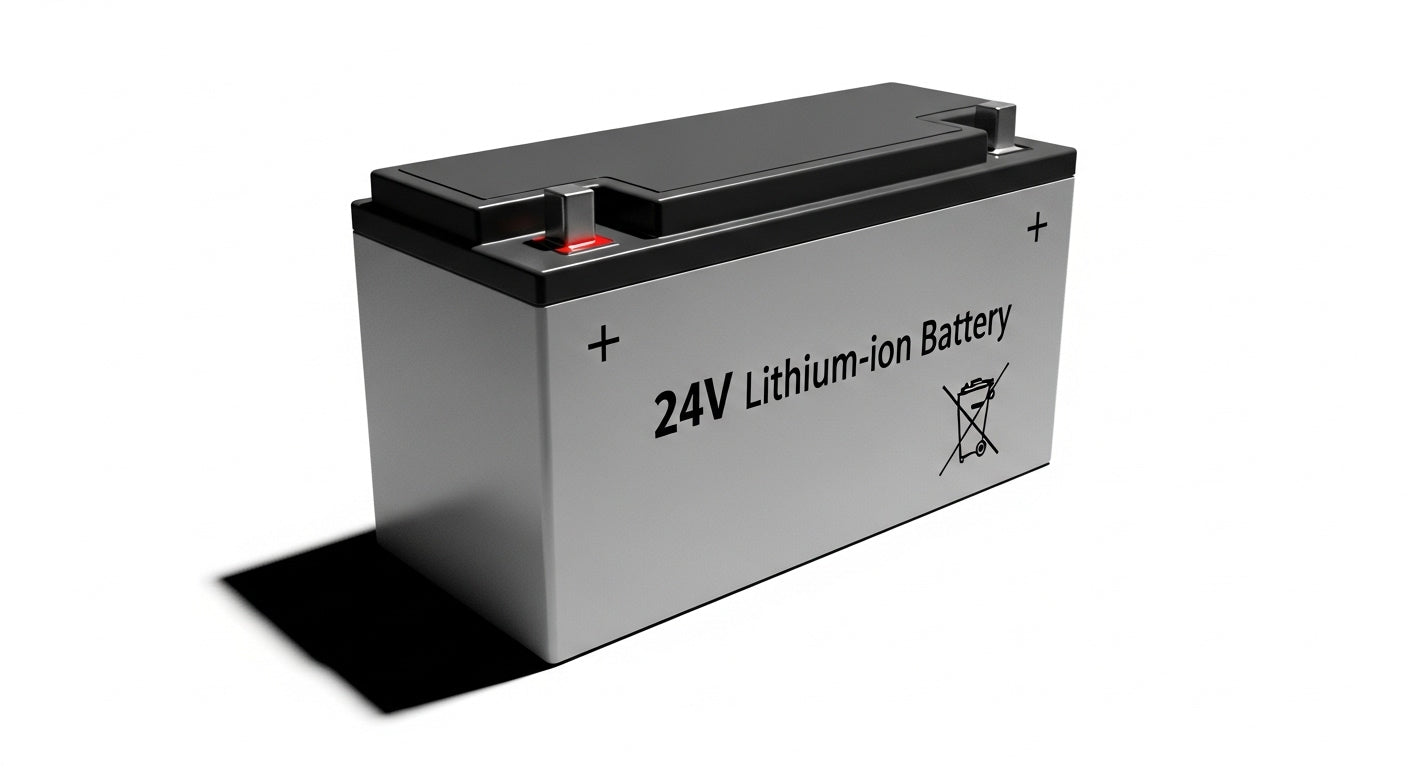
Well, butter my biscuit and call me a capacitor – of course they are! In fact, most 24V batteries you'll encounter in the wild are rechargeable, ready to soak up electrons like a sponge in a rainstorm. These power-packed performers are typically of the lead-acid or lithium-ion variety, both known for their ability to take a licking and keep on ticking... er, charging. It's like they've got a "rinse and repeat" function built right in. Now, before you go plugging your 24V battery into any old outlet, remember that they usually require a specific charger designed for their voltage. It's not a one-size-fits-all situation – more like a Cinderella's slipper scenario for the electrical world. And here's a pro tip: treat your rechargeable 24V battery right, and it'll keep coming back for more, cycle after cycle. It's the gift that keeps on giving, assuming you keep giving it a charge. So yes, 24V batteries are indeed rechargeable – they're the boomerangs of the battery world, always ready for another round of power-providing fun.