






FAQ
Ah, the versatile 12V battery – a powerhouse in a compact package. These little dynamos are the unsung heroes of our mobile world, powering everything from your car's ignition to your boat's trolling motor. They're the go-to for RV enthusiasts, keeping the lights on and the fridge cold when you're miles from the nearest outlet. Outdoor adventurers swear by them for portable camping setups, while DIY tinkerers use them to breathe life into custom projects. From security systems to off-grid solar setups, 12V batteries are the backbone of countless applications. They're like the Swiss Army knife of the power world – always ready to lend a jolt when you need it most.
The lifespan of a 12V battery is about as predictable as a cat's mood – it depends on a whole host of factors. On average, you're looking at anywhere from 3 to 5 years for a lead-acid battery in a vehicle, but that's if you treat it right. Deep-cycle batteries used in marine applications or RVs might stretch to 6 years with proper care. Lithium-ion 12V batteries are the overachievers of the bunch, potentially lasting up to a decade. But here's the kicker: how you use and maintain your battery is crucial. Frequent deep discharges, extreme temperatures, and poor charging habits can turn your battery into a paperweight faster than you can say "jump start." Regular use, proper charging, and avoiding extreme conditions are your best bets for squeezing every last amp-hour out of your 12V companion.
The lifespan of a 12V battery is about as predictable as a cat's mood – it depends on a whole host of factors. On average, you're looking at anywhere from 3 to 5 years for a lead-acid battery in a vehicle, but that's if you treat it right. Deep-cycle batteries used in marine applications or RVs might stretch to 6 years with proper care. Lithium-ion 12V batteries are the overachievers of the bunch, potentially lasting up to a decade. But here's the kicker: how you use and maintain your battery is crucial. Frequent deep discharges, extreme temperatures, and poor charging habits can turn your battery into a paperweight faster than you can say "jump start." Regular use, proper charging, and avoiding extreme conditions are your best bets for squeezing every last amp-hour out of your 12V companion.
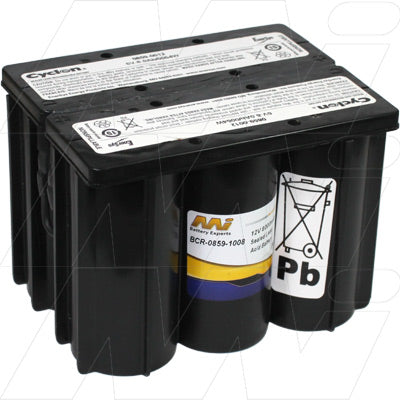
Lead-acid and lithium 12V batteries are like the tortoise and the hare of the battery world – each with its own set of tricks. Lead-acid batteries are the old guard: heavy, reliable, and cheaper upfront. They're like that dependable friend who's always there but needs a bit more maintenance. Lithium batteries, on the other hand, are the new kids on the block: lightweight, efficient, and with a longer lifespan. They're like that overachiever who makes everything look effortless but comes with a heftier price tag. Lead-acid batteries can handle deep discharges but don't like it much, while lithium batteries shrug off deep discharges like water off a duck's back. When it comes to charging, lead-acid batteries are the slow and steady type, while lithium batteries can gulp down a charge faster than a camel at an oasis. In the end, choosing between them is like picking between comfort food and a gourmet meal – it depends on your taste, budget, and needs.
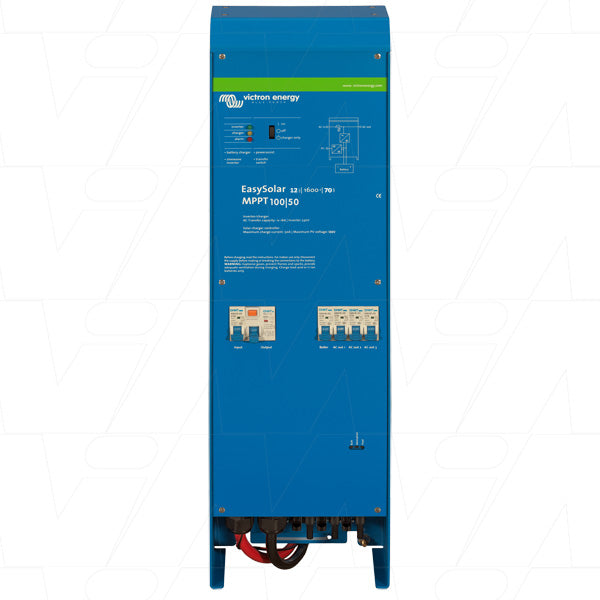
Absolutely! Using a 12V battery for solar power storage is like having a personal energy piggy bank for the sun's rays. It's the go-to solution for off-grid setups and backup power systems. Deep-cycle lead-acid batteries have been the workhorses in this field for years, storing solar energy with the dedication of a squirrel hoarding nuts for winter. But lately, lithium-ion batteries have been strutting onto the scene, offering longer life cycles and deeper discharges without breaking a sweat. When pairing your 12V battery with solar panels, think of it as arranging a marriage – you need compatibility and the right matchmaker (that's your charge controller). The key is to size your battery bank to your energy needs and solar input. Get it right, and you'll have a harmonious relationship between sun, battery, and your devices, keeping you powered up long after the sun has called it a day.
Choosing the right 12V battery for your device is like finding the perfect dance partner – it's all about compatibility and performance. First, consider the ampere-hour (Ah) rating – this is like the battery's stamina. Match it to your device's power hunger and how long you need it to run. Next, think about the type of battery. Lead-acid might be your budget-friendly option for stationary applications, while lithium-ion could be your go-to for portable devices or when weight is a concern. Don't forget about the physical size – make sure it fits your device like a glove. Consider the discharge rate too; some devices need a battery that can deliver quick bursts of power, while others prefer a steady, slow release. And let's not overlook the charging requirements – your device and battery should agree on how they like to juice up. Lastly, factor in your usage environment. Extreme temperatures? Rough handling? Your battery needs to be up for the challenge. Choose wisely, and your device and battery will be in perfect harmony, dancing through their operational life with grace and efficiency.